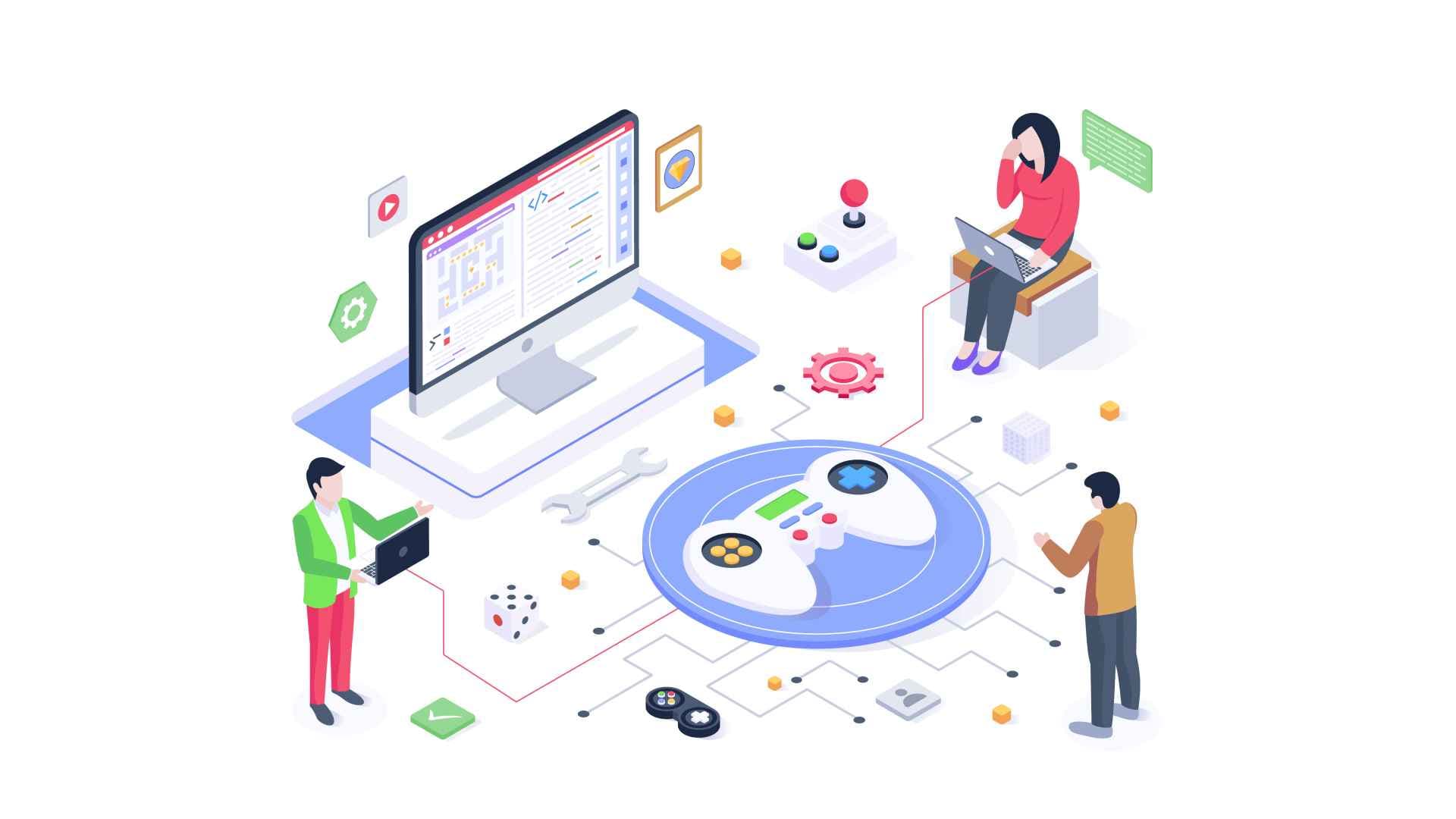


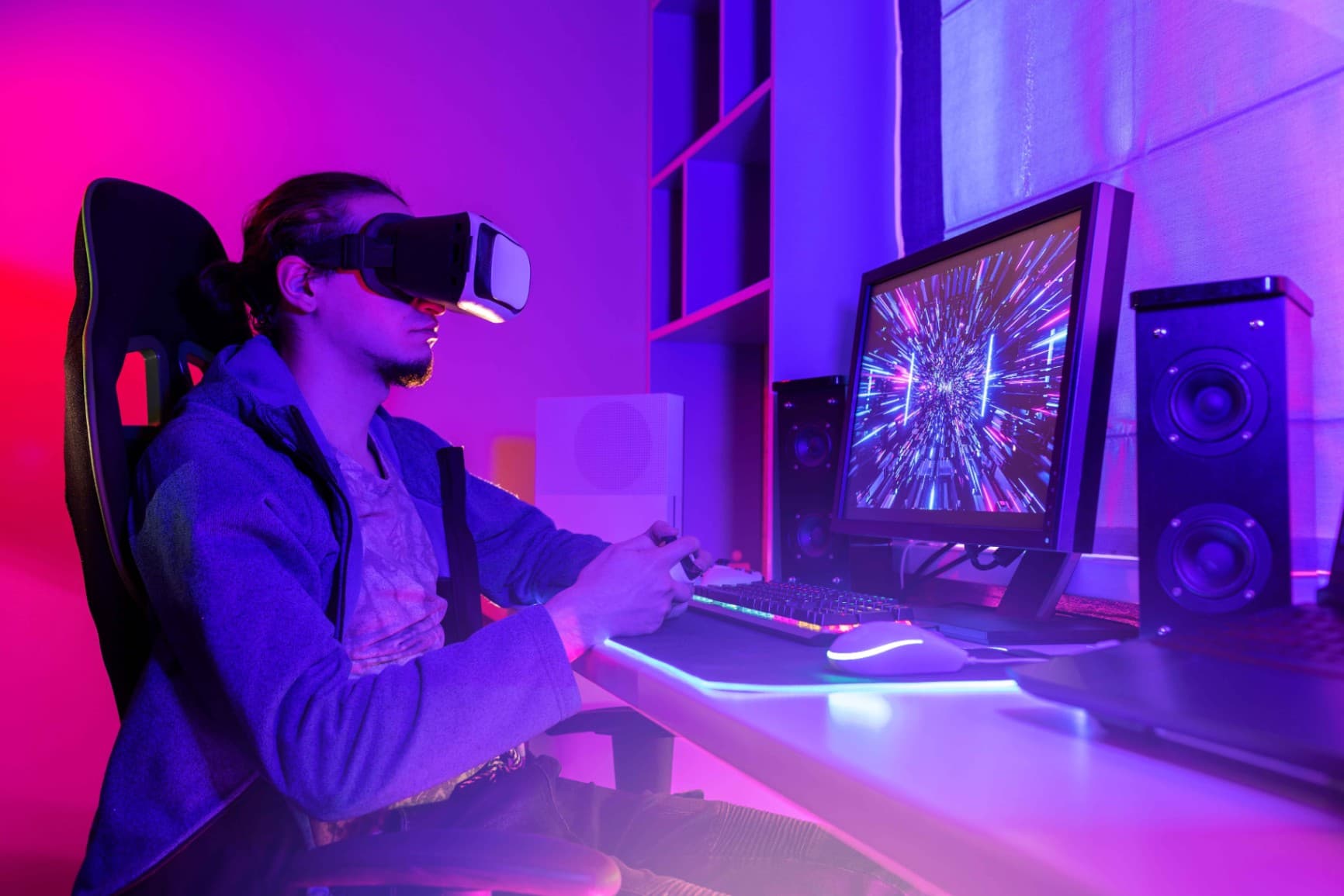

Over the past two decades, the gaming industry has changed significantly. Mobile gaming has placed games directly into the hands of billions of people. Cloud gaming has eliminated the necessity of having expensive hardware by offering high-quality experiences on almost any device. However, these new technologies are just the start of a new age, the age of the technology that could make the games smarter, more interactive, and more responsive to the players. With the continuous development, gaming is shifting out of traditional platforms, Consoles, PCs, and phones will not be the future. AR and VR enable experiences that evolve in real time, changing how we explore, create, and fully immerse ourselves in digital worlds.
How Game Development Is Changing After Mobile and Cloud Gaming
Mobile and cloud gaming have transformed how games are accessed and designed. The mobile devices created gaming that has reached billions of individuals, introduced casual gamers, made in-game purchases, and social functionality at a large scale. Cloud gaming extended this reach by performing heavy processing in the cloud, delivering immersive, console-level experiences without the need for costly hardware. Together, these changes have opened the door to a new era of gaming, where accessibility and technology enable more interactive and engaging experiences than ever before.
The industry is gradually moving toward development that puts players and their experience at the center. Studios are emphasizing device-independent play, allowing players to switch between platforms without losing progress, while building evolving worlds that react to player choices over time. Game design and monetization decisions are now shaped by real player behavior and feedback, and regular updates along with live events help games stay active, relevant, and engaging rather than feeling fixed or outdated. The result is a more flexible, scalable, and captivating gaming landscape, where creativity, player engagement, and long-term enjoyment take priority over hardware limits.
What Happens When Games Are No Longer Hardware-Bound?
For decades, hardware shaped every aspect of game design. Graphics, mechanics, and even narrative were limited by the power of consoles, even GPUs, or even mobile processors. Today, with cloud infrastructure, edge computing, and AI-driven optimization, games are breaking free from these limitations.
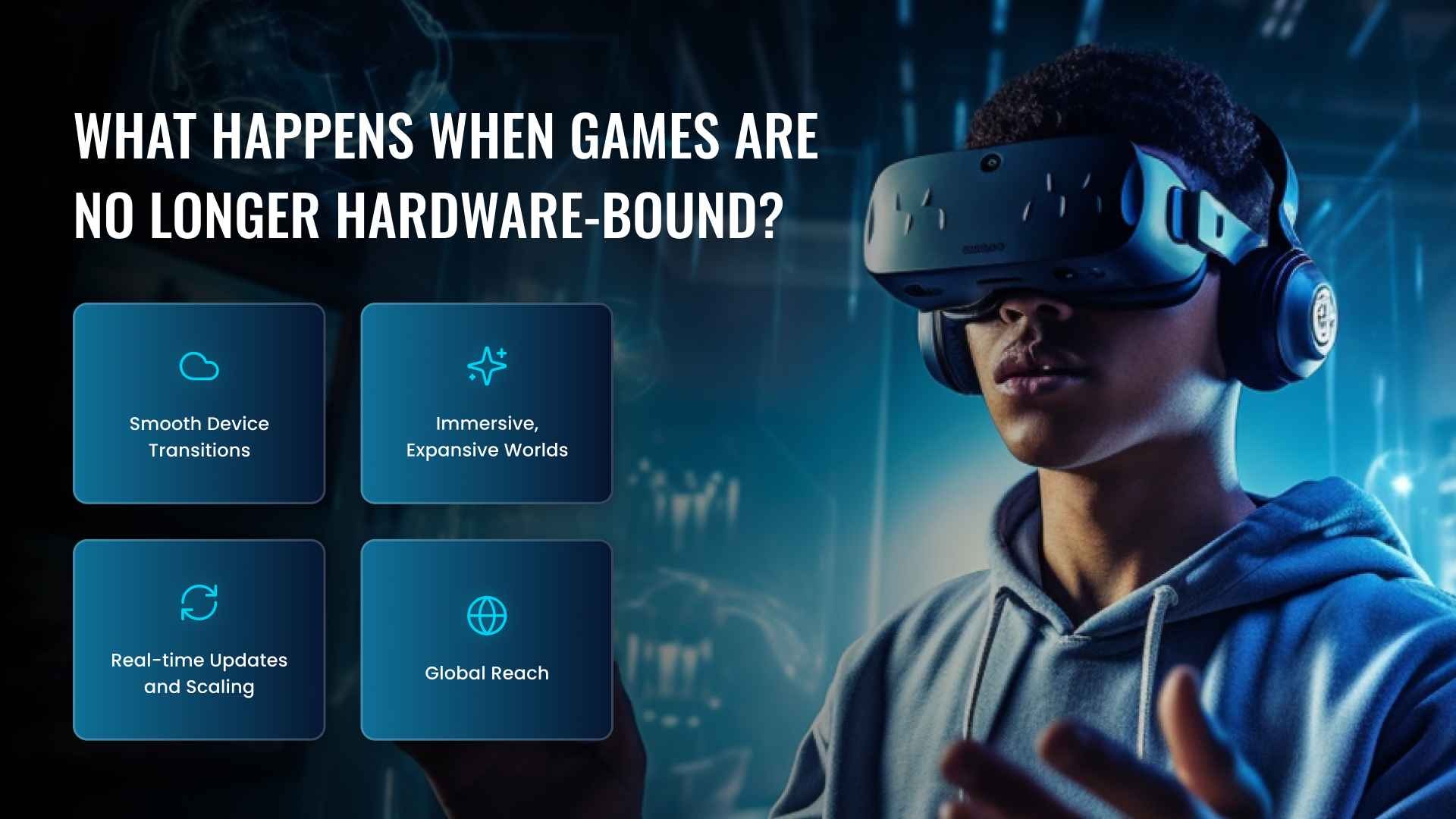
Hardware-independent gaming opens up exciting possibilities:
- Smooth device transitions: start playing on a console, then pick up on a phone, tablet, or VR headset without losing progress.
- Immersive, expansive worlds: developers can create more detailed, intricate, and lifelike environments with complex mechanics.
- Real-time updates and scaling: game environments can grow and evolve automatically, adjusting to player demand instantly.
- Global reach: high-quality gaming experiences are available to anyone with an internet connection.
Not only is this shift improving the player experience but it also allows studios to create bigger, more complex, and more deeply immersive game worlds than they have ever been able to create before.
Which Emerging Technologies are Shaping the Gaming Industry
The next phase of game development is being shaped by the integration of several powerful technologies. These advancements are changing how games are designed, experienced, and monetized, while also creating new opportunities to connect with players on a deeper level and give developers greater creative freedom.
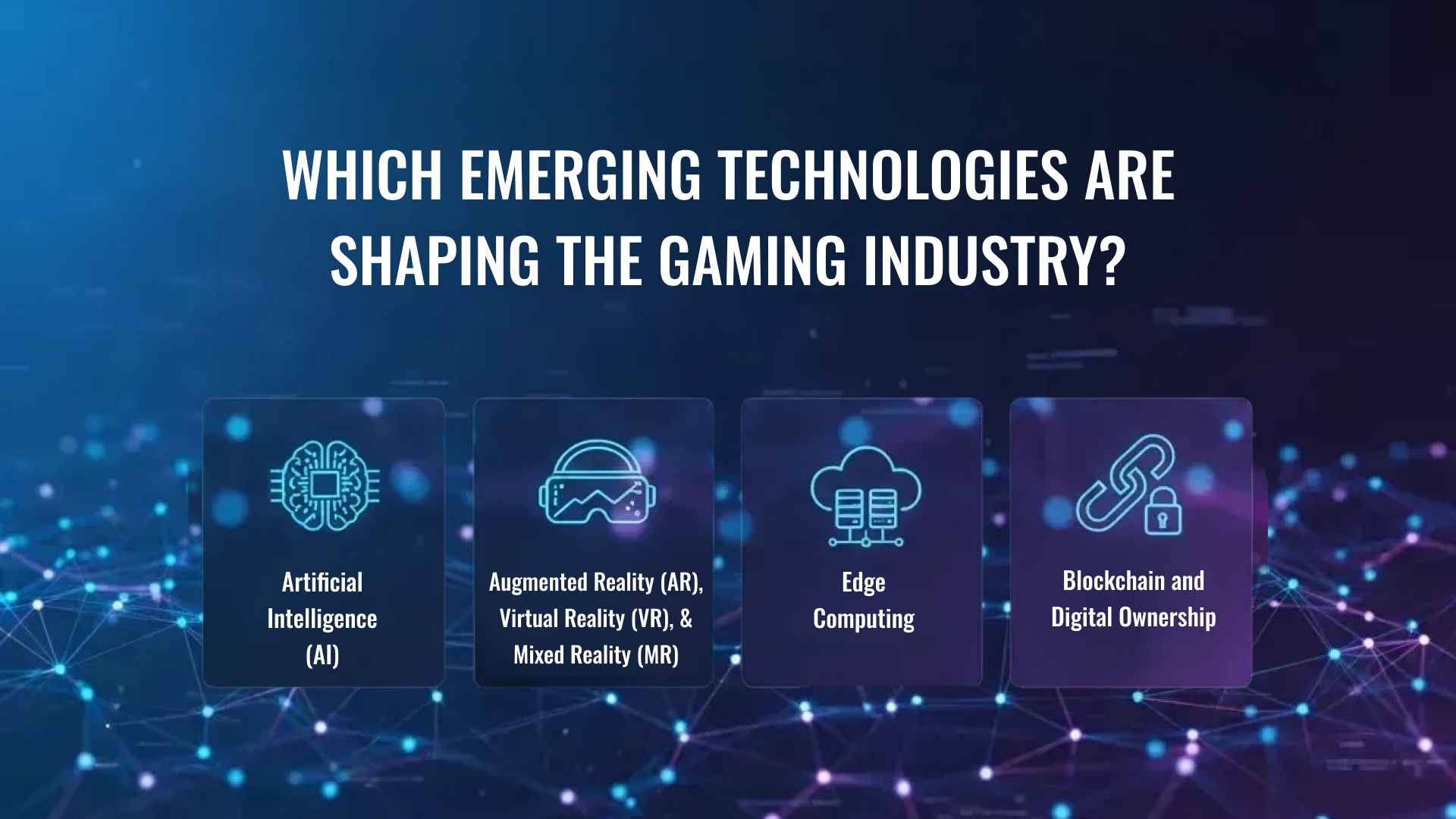
Artificial Intelligence (AI)
AI goes beyond controlling non-player characters or organizing multiplayer matches. It is an important part of the game world design, automatic content creation, authoring of personalized plot lines, and real time gameplay modification to fit individual player behavior. Games are specialized to the individual players, and they keep on changing.
Augmented Reality (AR), Virtual Reality (VR), and Mixed Reality (MR)
Immersive technologies blend the physical and digital worlds to create entirely new forms of interaction. AR is an overlay of gameplay on the real world, VR transfers gamers to entirely digital space, and MR enables them to work with both. Such technologies make the experiences more interactive, engaging and emotionally moving than conventional gaming.
Edge Computing
Processing data closer to players reduces delays in game responses, supporting smooth gameplay and large-scale multiplayer interactions without lag. Live action, intricate simulations, and group gaming continue to be smooth for the players worldwide.
Blockchain and Digital Ownership
Blockchain offers real-world ownership of in-game assets to players, allowing items to traverse games and platforms. The decentralized markets enable players to trade, sell or monetize assets safely, to generate new economic opportunities and provide players with a real interest in the virtual worlds they occupy.
Together, these technologies create dynamic, adaptive, and immersive experiences that redefine the boundaries of interactive entertainment, offering possibilities for both players and developers that were once unimaginable.
How AI and Automation Are Transforming Game Creation?
AI and automation are changing not only how games are played but also how they are created. Modern tools let developers focus on creativity and storytelling while intelligent systems handle repetitive and time-consuming tasks.
- Automatically generate expansive virtual environments, detailed textures, and diverse settings, saving time while increasing variety.
- Adjust gameplay in real time by fine-tuning difficulty, mechanics, and progression to match player behavior.
- Test thousands of gameplay scenarios to identify bugs, optimize performance, and improve quality far faster than human testers.
- Analyze player actions in real time to refine design, enhance engagement, and create more personalized experiences.
- Accelerate content updates and live events, allowing games to evolve continuously and remain engaging for long-term players.
To implement these innovations in practice, companies or startup studios have to hire a game developer who has the knowledge of AI-based design, AR/VR integration, and cross-platform development. This can be used to not only make your game look good but also provide a state of the art, immersive gameplay to your players.
The Role of AR and VR in Future Games
The combination of AR and VR is transforming the player experience itself. Games today respond and evolve with each player's choice, creating adaptive and highly engaging experiences.
Augmented Reality (AR)
AR is reshaping the way we experience games by blending digital content with the real world. Players can explore location-based adventures, interact with dynamic environments, and share social experiences globally. An experienced AR game development company can craft these immersive experiences for smartphones and AR glasses, giving gamers the freedom to discover, collaborate, and engage beyond traditional screens
Virtual Reality (VR)
VR fully places players inside the game world, making interaction intuitive, physical, and lifelike. Future VR games focus on comfort, believability, and long-term engagement, supported by lighter, more affordable hardware and advanced sensory feedback. Players feel present in the environment, with the world responding naturally to their actions.
Collectively, AR and VR are removing the distinction between player and game, creating interactive experiences that are alive, responsive, and immersive. These technologies are not only making games better. but redefining the digital world existence.
Conclusion
The future of gaming is no longer just about devices or graphics, it’s about creating worlds that evolve, adapt, and respond to every player’s actions. With technologies like AI, AR, VR, and cloud computing reshaping the landscape, game experiences are becoming more immersive, personalized, and interconnected than ever before. For studios, startups, or creators looking to turn ambitious ideas into reality, IR Solutions offers expert game development services, combining technical mastery with creative vision to craft next-generation games that captivate audiences and stand out in a competitive market.
Frequently Asked Questions
How is cloud gaming changing traditional game development?
Cloud gaming removes hardware limitations, allowing developers to design richer, more complex worlds. Players can enjoy high-quality experiences on any device without needing expensive consoles or PCs.
In what ways is AI enhancing player experiences?
AI personalizes gameplay by analyzing player behavior in real time. It can adjust difficulty, generate unique storylines, and create dynamic content, making every session feel fresh and engaging.
Why are AR and VR important for the future of games?
AR brings digital elements into the real world for interactive experiences, while VR fully immerses players in digital environments, enhancing realism, engagement, and emotional impact.
Can future games really be hardware-independent?
Yes. Advances in cloud computing, edge processing, and AI let games run seamlessly across mobile, console, PC, and VR platforms, maintaining progress and performance everywhere.
How does blockchain impact gaming?
Blockchain enables true ownership of in-game assets, allowing secure trading, cross-platform economies, and monetization. Players can gain real-world value from their virtual achievements.
Why should I choose a professional game development service?
Professional services like IR Solutions bring technical expertise and creative vision, delivering immersive, scalable, and polished games that stand out in a competitive market.