


For SaaS businesses, turning visitors into paying customers is essential. A clean design grabs attention, but an easy and smooth user experience keeps users engaged. Well-developed UI/UX design can increase the number of sign-ups, activations of the trial, and subscriptions. This is why product design for saas focuses not only on visuals but also on how users move through the platform. Each contact, including the initial perception, user configuration, and daily use, influences the attitude of the users toward the product. Unclear or frustrating designs cause people to leave, whereas clear, easy-to-understand and easy-to-use interfaces create trust and make the user take the first step. Good UI/UX design is not only about appearances but it has a direct way to make SaaS businesses scale up.
How UI/UX Design Maximizes SaaS Conversion Rates
UI/UX design shapes how users feel and act when using software. Each object on the screen may lead them, or may confuse them. A clear and easy-to-use design will guide users in ease of navigation through important actions and increase conversions.
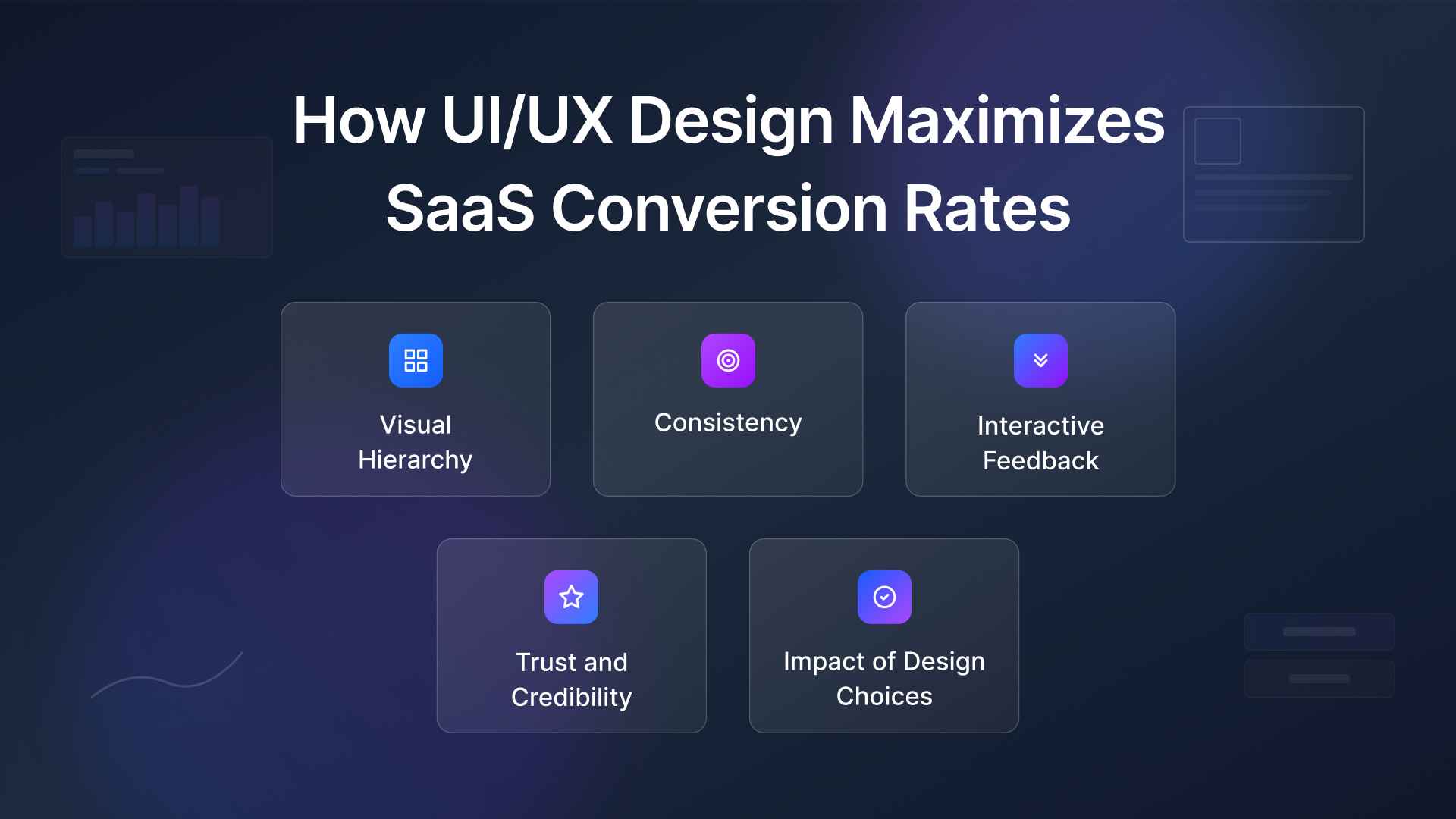
- Visual Hierarchy: Clear layouts direct attention to important actions. Highlighting main buttons and critical info makes it easier for users to complete tasks.
- Consistency: A uniform design across pages reduces confusion. Users quickly understand navigation, which builds trust and keeps them engaged.
- Interactive Feedback: Small actions, like clicking a button or seeing a notification, help users know their action worked and give them confidence.
- Trust and Credibility: Testimonials, security badges, and transparent pricing will help to decrease hesitation and take the next step.
- Impact of Design Choices: Every element influences how easily users sign up, explore features, and upgrade plans, turning visitors into loyal customers.
The Role of User Psychology in SaaS Conversions
SaaS conversions are influenced as much by user perception and emotion as by product features. When users engage with a platform, they form ideas about its reliability, usefulness and ease of use very quickly. The UX design can influence these understandings by offering good directions, smooth transitions and feedback at all stages. Interactive prompts, stepwise instructions, and informative indications of advancement assist the user to believe as they navigate a product, and veritable testimonials, case studies and visible outcomes demonstrate that the platform will provide what it claims. When the users believe that the product can tell their needs and assist them to reach their objectives in an efficient way, doubts are cleared, and trust is built, making a decision to subscribe does not sound unnatural or risky.
The effort required to use a product also plays a critical role in conversion. Confusing navigation, unclear labels, or ambiguous steps create frustration and slow momentum. Well-designed UX minimizes these obstacles by organizing content logically, highlighting key actions, and gently leading users toward the next step. By making the experience less stressful and less complex, the user is concentrated on the value the product provides but not on how to use it. A smooth, predictable, and reassuring experience encourages action, increasing the chances that users will convert and remain engaged over time.
High-Converting UI Elements Every SaaS must have
Clear buttons, simple forms, and structured layouts remove barriers and make your platform intuitive. Many businesses rely on professional UI UX design services to refine these elements and improve engagement.
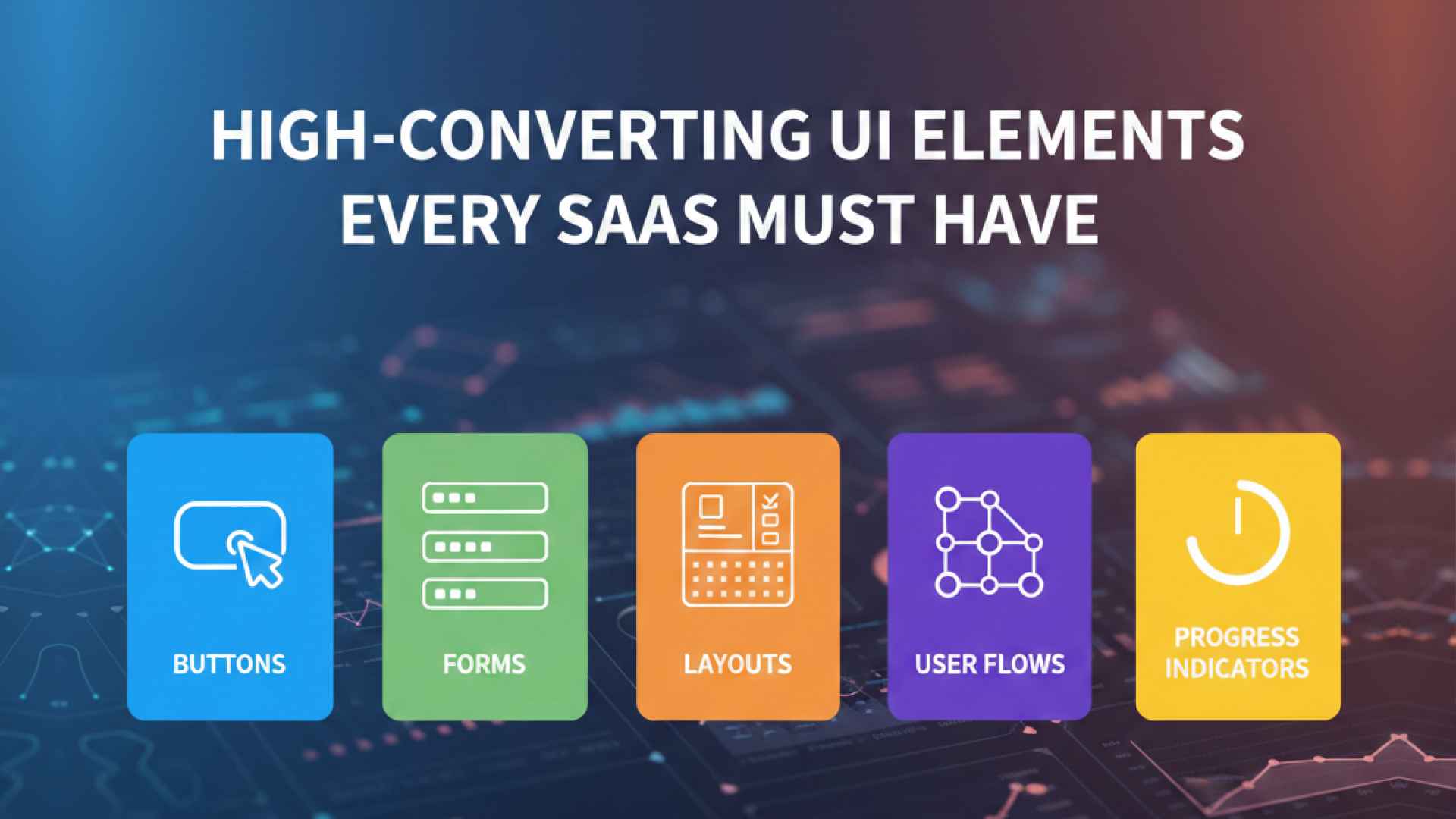
- Buttons: Use bold, contrasting colors with clear labels and ample clickable space. Make sure all CTAs immediately grab attention on every page.
- Forms: Keep fields minimal and only request essential information. Features like autofill and real-time validation make form completion effortless.
- Layouts: Opt for a clean, organized layout with clearly defined sections. Avoid clutter to help users understand content quickly.
- User Flows: Design intuitive, step-by-step journeys that guide users seamlessly, reducing confusion and drop-offs.
- Progress Indicators: Show users their advancement in multi-step tasks or forms. The feeling of progress will keep them going.
Simplifying User Paths to Reduce Drop-Off Rates
Each additional action during a SaaS experience raises the chances of abandonment. Long or complicated sign-up procedures, clumsier dashboards, and unclear onboarding may frustrate the user and fail them to experience the value of the product within a short time. The UX design solves this through the focus on speed to value allowing users to experience meaningful benefits early rather than struggling through unnecessary complications.
The step-by-step setups, clearly displayed progress indicators, and contextual guidance features are designed to make the user take the next step with confidence, and the ability to break tasks down into manageable smaller steps creates a physical sense of accomplishment and helps to overcome the overwhelming feeling in users. Thoughtful sequencing of the actions will make each interaction seem meaningful and will accumulate momentum and maintain high levels of engagement. When experience is easy, guided and purpose-driven, users are much more inclined to actually go through registration, learn the basics, and use the platform, which eventually leads to more conversions and retention.
How AI-Powered UX and 2026 Design Trends Are Shaping SaaS Experiences
AI is reshaping UI/UX designs making raw interfaces dynamic so that they react to user behaviour in real-time. The personalization of content, feature exposure, and recommendations according to individual actions makes the platforms useful in assisting the user to find what they require in the quickest time possible without any barriers affecting the user accessing the product. This personalized approach not only improves engagement but also increases the chances of users achieving valuable outcomes.
Important trends influencing SaaS design in 2026 include:
- Interfaces adapt automatically to user behavior, highlighting relevant features, tips, or recommendations at the right moment.
- Clean, minimalist layouts with clear structure make navigation simple and reduce mental effort.
- Fast-loading pages and smooth interactions keep the experience seamless, preventing frustration and improving retention.
- Inclusive and accessible design ensures all users can navigate and benefit from the platform, regardless of ability.
- AI-driven personalization combined with responsive design creates intuitive, advanced experiences that feel effortless, building user trust and encouraging conversions.
By integrating AI with modern design approaches, SaaS platforms in 2026 can offer experiences that feel intelligent, smooth, and user-centered, allowing users to reach value quickly while strengthening engagement, trust, and long-term loyalty.
Upgrade your design strategy with insights from Top UI/UX Trends Every Business Should Know in 2026.
The Power of AI in Enhancing User-Centered Design
AI helps designers in learning the behavior of real users so that they can make informed changes regarding how real users behave instead of how they think they should behave. Through user navigation analysis, users behaviors, attraction, and challenges, teams can improve the user paths and streamline the user experience to make it more natural and relevant to the real needs.
Smart suggestions, contextual guidance, and predictive inputs are AI-based tools in the platform that save on effort and accelerate task execution. The system can predict user requirements and then provide them with related options before they even have to request. This makes the system a more seamless and personalized experience. Such feeling of comfort and encouragement enhances satisfaction, fosters trust, inspires interactions, and promotes commitment. With AI integrated into user-centered design, SaaS platforms can continuously adapt and evolve, delivering experiences that are both efficient and highly responsive to user expectations.
Conclusion
In SaaS, user experience plays a crucial role in boosting conversions and overall business success. Thoughtful UI/UX design removes barriers, guides users effortlessly, and ensures they reach meaningful outcomes quickly. By understanding user behavior, streamlining processes, and applying AI-driven personalization, SaaS platforms can turn interest into action and action into long-term commitment. Every step of the user’s path counts; enhancing clarity, structure, and accessibility can noticeably increase sign-ups and retention. With IR Solutions, you can Hire UI/UX designers who create intuitive, results-focused experiences. Their expertise ensures interfaces are not only visually appealing but strategically optimized, helping users achieve value faster while driving measurable growth for your SaaS business.
Frequently Asked Questions
How does UI/UX design affect SaaS conversion rates?
UI/UX design makes platforms easier to navigate and understand, helping users complete actions faster. Clear layouts and intuitive flows reduce hesitation and boost sign-ups.
Can AI really improve the SaaS user experience?
AI personalizes content, predicts behavior, and offers contextual support. This saves time, simplifies tasks, and increases the likelihood of conversion.
What is the role of onboarding in SaaS conversions?
Onboarding introduces users to key features and demonstrates value quickly. A smooth onboarding increases adoption and encourages users to become paying customers.
Why is user psychology important in SaaS design?
Understanding user behavior helps reduce confusion and build trust. Interfaces designed with psychology in mind guide users confidently toward desired actions.
How can I measure if my SaaS UX is improving conversions?
Track metrics like sign-ups, feature use, retention, and drop-offs. Tools like heatmaps and funnel analysis show where improvements are needed.
Can I hire designers specifically to improve my SaaS conversions?
Yes. You can hire UI/UX designers from IR Solutions who optimize flows, simplify interactions, and create experiences that increase sign-ups and long-term retention.