

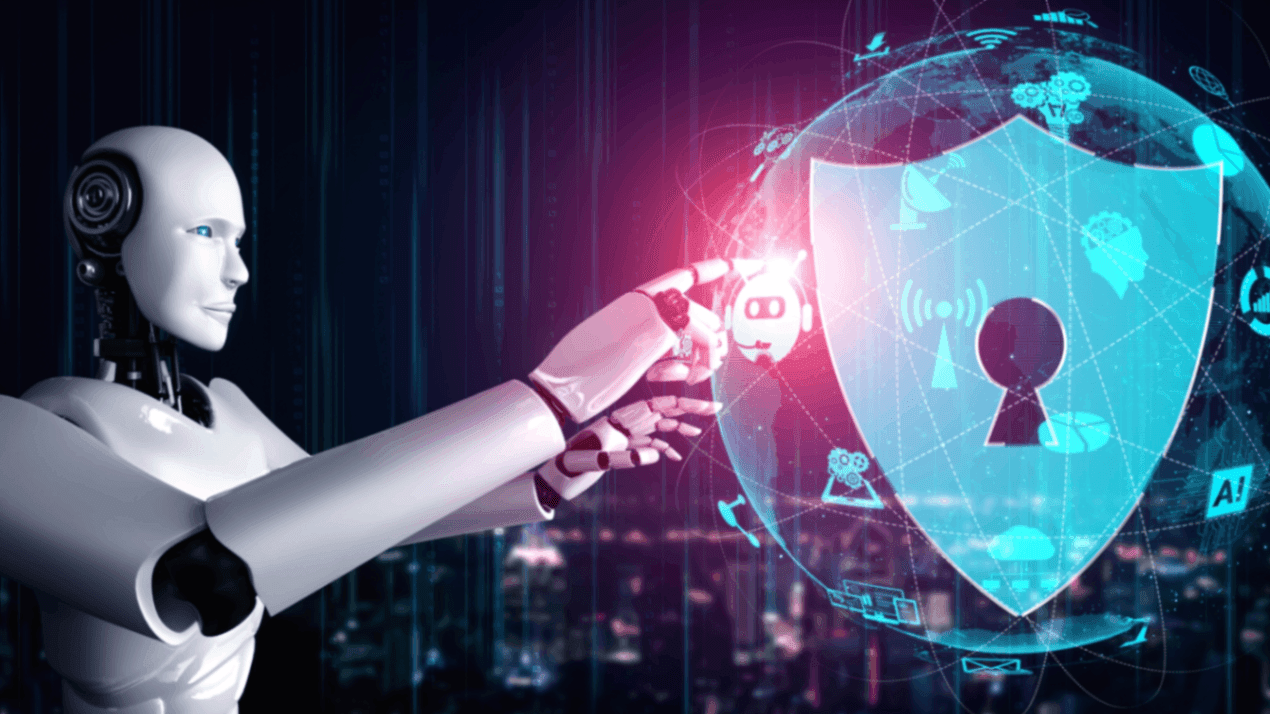

A single security flaw in software can expose thousands of users, damage trust, and cost companies millions. However, most companies continue to use security checks that only respond when a threat is detected. This reactive measure is no longer sufficient to overcome cyberattacks that are becoming more intelligent. Artificial Development Solutions are transforming the concept of secure software development through assisting the teams to identify vulnerabilities in the early phase, study risks as they occur, and avert attacks prior to their occurrence. By embedding AI into the software development lifecycle, companies can build stronger, safer applications without slowing innovation, making security a built-in strength rather than a last-minute fix.
Understanding AI in Software Development
Artificial intelligence has become an important part of modern software development, changing how applications are designed, built, and maintained. AI is becoming more integrated into development processes to facilitate precision, effectiveness, and risk prevention. Based on the analysis of vast amounts of data to assist in making decisions in the development process, AI assists teams in managing complexity without losing consistency among projects. This will enable the companies to create software that will be more responsive to the real-world requirements and emerging risks.
Common AI Technologies Used in Software Projects
These are the most widely used and essential AI technologies in modern software development:
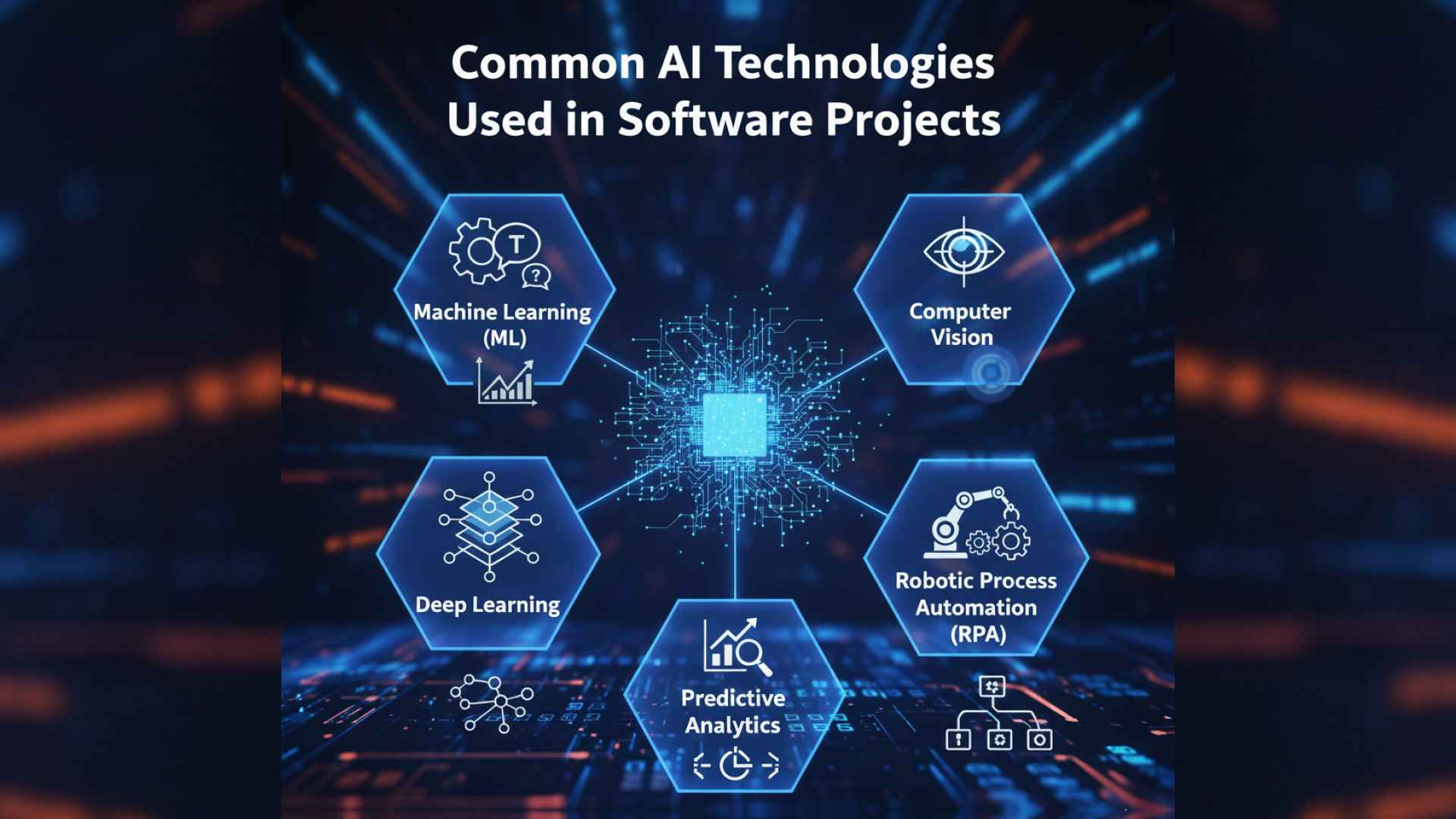
- Machine Learning (ML): Enables software to learn from data, detect patterns, and improve decisions over time (e.g., fraud detection, recommendations).
- Natural Language Processing (NLP): Helps software understand and respond to human language, used in chatbots, voice assistants, and text analysis.
- Computer Vision: Allows systems to interpret images and videos, commonly used in facial recognition, medical imaging, and security monitoring.
- Deep Learning: A subset of ML that handles complex data like images, speech, and large datasets with high accuracy.
- Predictive Analytics: Uses historical data to forecast trends, risks, and user behavior.
- Robotic Process Automation (RPA): Automates repetitive tasks by mimicking human actions in software systems.
- AI-Powered Cybersecurity Tools: Detect anomalies, vulnerabilities, and threats in real time.
How AI Strengthens Secure Software Development
The AI is transformative in secure software development as it can offer proactive, intelligent and continuous security. Rather, AI is actively reviewed against code as it is being developed and used to identify potential threats before they manifest. It identifies hidden weaknesses by recognizing patterns that traditional tools often miss and strengthens security through automated testing and real-time monitoring. By integrating AI into the development lifecycle, teams reduce manual effort, respond faster to emerging risks, and maintain high code quality in custom software projects. Most importantly, AI provides actionable insights that help developers embed security at every stage, making protection an ongoing practice rather than an afterthought.
Challenges and Limitations of AI in Software Security
Although AI has some strengths, it has its weaknesses and limitations in the field of software security. The quality of data is very important to AI systems, and the use of incomplete or biased data may result in false threat detection. The excessive dependence on AI can lead to teams neglecting human control, which can cause a lack of awareness of minor context-specific risks. It may also be resource-consuming, and it must be integrated with the current workflows, trained development teams, and maintained. Moreover, advanced attackers can seek to use AI models themselves, creating new vulnerabilities. To make AI capabilities and human knowledge meet each other, it is necessary to balance the process of software development making it safe, reliable, and effective.
How is AI transforming the approach to Secure Software Development?
Modern tools are improving secure software development by enabling real-time code review, early issue detection, and flexibility for complex or custom projects.
Identify Risks Quickly
The code is checked in real time, outlining the issues before they become critical threats.
Understands Your Needs
The system will adapt to the specific needs and structure of each project, providing tailored recommendations that fit the project’s overall context.
Gets Smarter Over Time
The experience leads to increasing knowledge, which is based on learning new attack techniques to enhance the capabilities to detect similar problems.
Quicker Code Review
Suspicious areas are marked instantly, and time wasted on extensive manual review is minimized.
Process Transparency
The security gaps are also identified throughout the development process, giving a clear perspective and total control.
What Specific Security Challenges can AI help solve in Software Development?
AI strengthens software security by continuously detecting risks early, highlighting unsafe patterns, reducing human error, and enabling developers to fix vulnerabilities without slowing development or sacrificing quality.
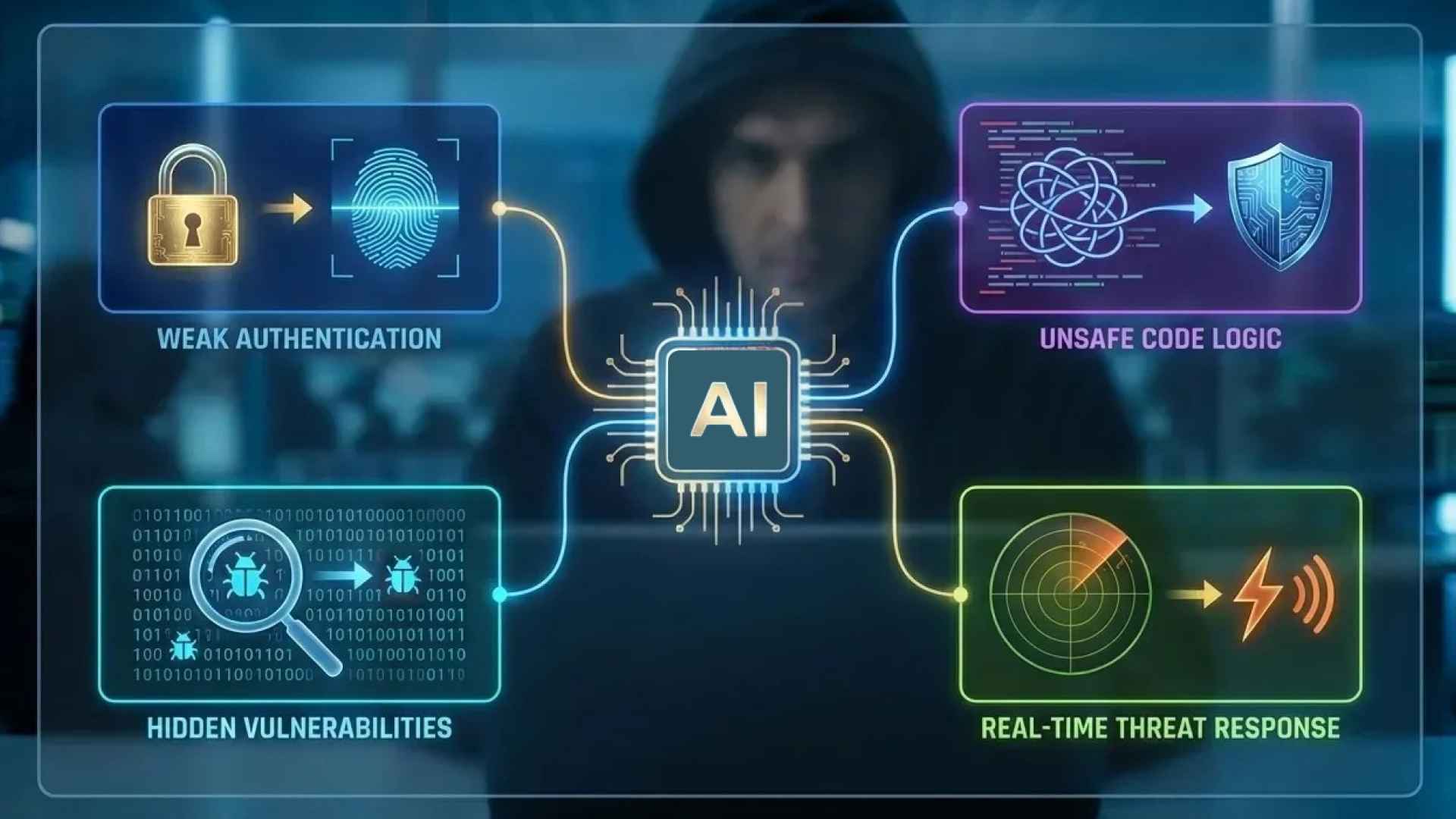
Weak authentication
Unusual login behaviour is identified early, so suspicious attempts stand out clearly. This quick recognition helps prevent unauthorized access before damage occurs.
Unsafe code logic
Confusing or risky logic is highlighted during development when adjustments are simplest. Early clarity reduces the chance of unexpected issues appearing near release.
Hidden vulnerabilities
Old and new code are scanned together to uncover weaknesses that manual checks may miss. Regular inspection keeps the full system stronger over time.
Real-time threat response
AI enables faster detection and automated responses to emerging threats, minimizing damage and reducing recovery time.
How can Companies embed AI into Secure Development?
The development of secure software with embedded AI has to be approached with secure approach and strategy. The first step companies should take is to evaluate their existing development practices and identify areas where AI can deliver the greatest value. These areas include early vulnerability detection, automated code reviews, and real-time threat monitoring. Having clear objectives and measurable goals allows ensuring that AI integration is used to support security outcomes and business ones.
Steps to adopt AI securely and efficiently:
- Determine the areas with high priority where AI can be used to enhance security and efficiency.
- Begin pilots to experiment with tools and streamline processes.
- Select AI tools that are consistent with organizational objectives and workflows.
- Embed tools with internal systems specifically to safeguard data and consistency in the processes.
How will AI-driven Security Evolve in the Coming Years?
In addition to risk prevention, AI integration is important in producing safer enterprise custom software applications. The support is provided throughout the lifecycle, including design and deployment, and the learning process that occurs after the deployment process is implemented to enhance security. Taking over repetitive and time-consuming tasks, AI integration leading to safer, reliable, and more suitable systems for working with sensitive data. This proactive approach reduces long-term risks and strengthens the overall reliability and safety of software.
Read our related blog: Will AI Automation Redefine Business Growth in the Coming Years?
Best Practices for Implementing AI in Secure Development
AI is essential in improving secure software development, through the early warning signs and preparing defenses before threats can damage the computer system. It is a great source of information that can assist development teams and consultants make wiser and safer choices. It concentrates on system design evaluations, specific training, and sound coding requirements to incorporate security within each development phase.
How security practices are evolving:
- Greater emphasis on identifying potential risks early.
- Increased adoption of AI-driven design and decision-making.
- Enhanced security measures for enterprise-level systems.
- Security is integrated throughout the entire development lifecycle.
AI will also transform the way systems are updated. By monitoring changes in real time, it ensures updates are applied safely and efficiently, reducing the risk of disruptions and making large-scale operations smoother and more reliable.
Conclusion
Artificial intelligence is transforming secure software development by enabling early vulnerability detection and continuous, real-time threat monitoring. Businesses looking to embed security controls at every stage can hire AI developers from IR Solutions to implement AI-driven analysis effectively. While challenges like data quality and model overreliance remain, combining AI with human expertise results in more robust and resilient systems. This approach minimizes security risks, improves operational efficiency, and strengthens long-term software integrity.
Frequently Asked Questions
How is AI changing the way software security is managed?
AI Development Solutions monitors code, spots vulnerabilities in real time, and automates checks, helping teams prevent issues before they escalate.
What types of security challenges can AI address in software development?
AI helps tackle security challenges like weak authentication, risky code logic, and hidden vulnerabilities. By detecting these early, it strengthens system safety and reduces errors.
Which AI-driven technologies are most effective for secure software development?
AI tools such as machine learning scanners, automated code reviews, NLP systems, and smart testing platforms identify risks and improve development security.
How can companies successfully integrate AI into their software development process?
Companies can integrate AI by starting small, training teams, and using the right tools securely within their systems for maximum efficiency and safety.
What does the future of AI-driven software security look like?
AI will predict threats, guide design decisions, automate repetitive tasks, and make software development safer, more resilient, and more intelligent.