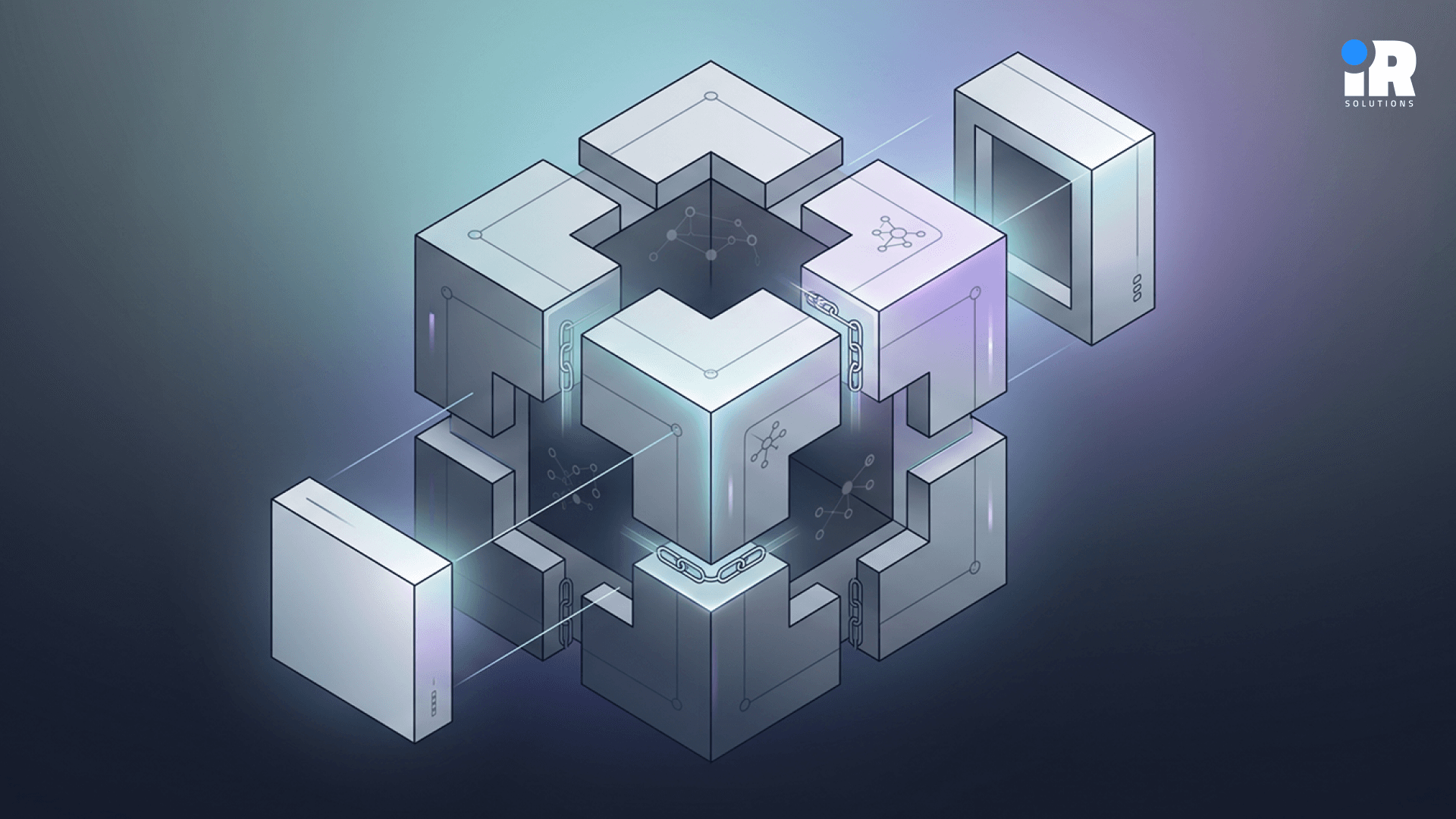



Blockchain is evolving beyond cryptocurrency and becoming a key system for building digital trust across industries. In the coming decade, sectors that rely on secure data exchange, identity verification, and coordination among multiple stakeholders will benefit the most from blockchain technology. Its main strengths include tamper-resistant records, automated agreements, and shared transparency that reduce disputes and manual work. Instead of replacing industries, blockchain improves operations by reducing delays, preventing fraud, and strengthening accountability. Banking, healthcare, supply chains, real estate, and energy are expected to lead adoption, while governments and education may also use it for secure, reliable record management systems. Businesses considering long-term adoption will often start off by consulting a blockchain strategy to match the use cases to business objectives and regulatory requirements.
How Blockchain Improves Transparency in Banking?
Blockchain technology is changing the way banks and financial institutions keep track of transactions. Recording every operation on a secure, shared digital record, it reduces mistakes and prevents tampering. Customers, banks, and regulators can see transactions in real time, making processes clear, easy to check, and trustworthy. This level of visibility helps build confidence in the banking system, speeds up reporting, and ensures that all financial actions can be verified.
What Impact Will DeFi Have on Traditional Finance?
Decentralized finance (DeFi) is changing traditional banking by offering financial services without relying on standard banks.
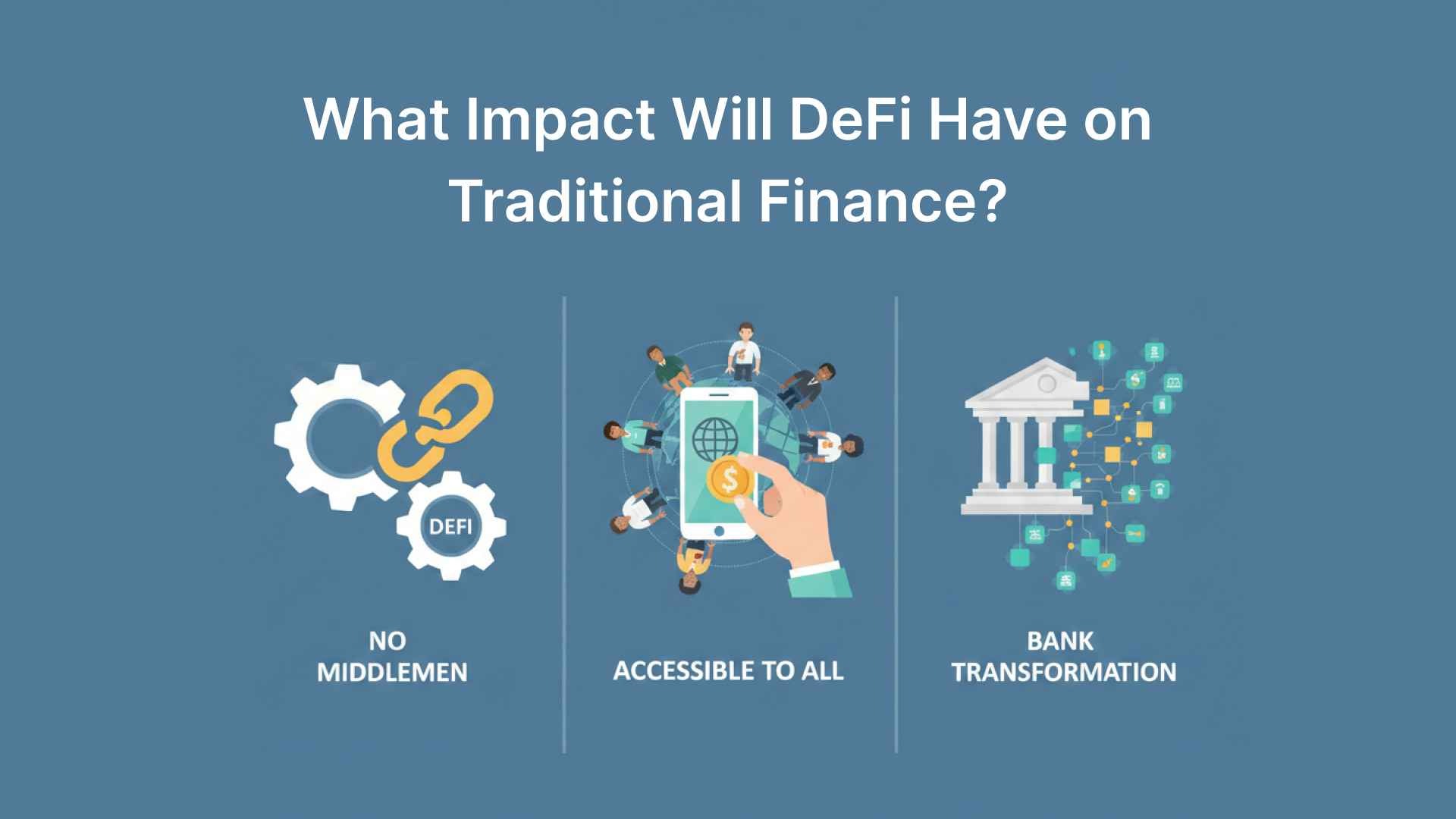
- No Middlemen: People can lend, borrow, or trade directly without going through banks.
- Accessible to All: Anyone with internet access can use these services, including people without bank accounts.
- Bank Transformation: Banks use blockchain as a service to run secure blockchain systems without managing complex infrastructure.
What impact does blockchain have on reducing fraud in supply chains?
The technology of Blockchain is transforming the way supply chains work, as it provides a secured and permanent history of all steps in the operation. Starting with the sourcing of raw materials to manufacturing, shipping and final delivery, all activities are recorded on the same digital ledger that cannot be changed. Such transparency prevents the introduction of fake products to the supply chain and makes sure that all products are of a certain quality as expected. Each product can be monitored by the manufacturers, suppliers, and distributors, which enhances greater accountability and integrity across the whole system.
In addition to preventing fraud, blockchain helps resolve disputes more quickly and efficiently. Since every transaction is recorded and visible to all authorized participants, disagreements over shipments, product quality, or payments can be settled with clear evidence. This creates a stronger relationship among the suppliers and manufacturers and it provides the customers with the confidence that what they get is authentic and worth consuming. Altogether, blockchain does not only minimize fraud but enhances the efficiency, transparency, and reliability of supply chains on a global scale.
Can Blockchain Effectively Protect Patient Data?
In patient records maintenance and storage, blockchain is one of the most reliable and secure systems. Its distributed structure and advanced data protection ensure that sensitive medical information stays safe from unauthorized access. At the same time, authorized healthcare providers can access and share data smoothly, enabling faster diagnoses, informed treatment decisions, and more coordinated care. By combining privacy with accessibility, blockchain not only shields patient information but also improves the efficiency and reliability of healthcare services.
How Blockchain Improves Drug Traceability?
- Tracks medications at every step, from manufacturing to patient delivery.
- Confirms authenticity to prevent counterfeit drugs.
- Maintains reliable records to meet regulatory requirements.
- Enhances supply chain transparency, allowing stakeholders to quickly identify and resolve issues.
How Blockchain Secures and Streamlines Medical Records?
- Reduces duplicate records while keeping data safe across providers.
- Enables secure, controlled access for hospitals, labs, and insurers.
- Speeds up processes by minimizing paperwork and administrative delays.
- Improves patient trust by ensuring their information is private and accurately maintained.
Turning Real-World Assets into Digital Opportunities
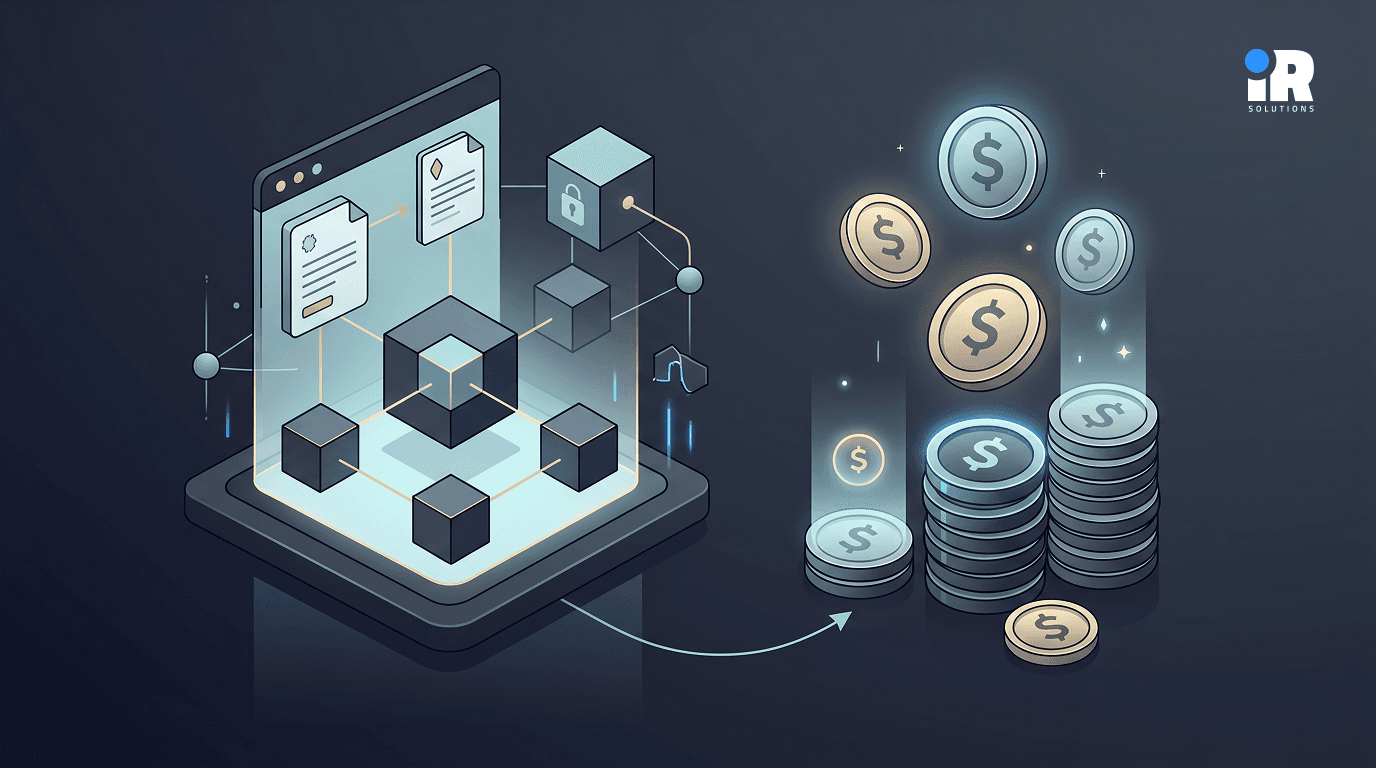
Physical assets such as real estate, gold, artwork, and commodities can be transformed into digital form with the help of blockchain via process of Tokenizing Real-World Assets. These digital tokens are a form of ownership which can be safely stored, transferred or traded in blockchain networks. This is because blockchain enables conversion of traditional assets to digital units, which will decrease the use of paperwork, accelerate the transaction process, and eliminate numerous intermediaries. With this change, the possibility of fractional ownership, wider investor involvement, and more effective asset management is opened and valuable assets are becoming more readily available to individuals all over the world.
How Can Blockchain Simplify Property Transactions?
Blockchain makes property transactions faster and less complicated by replacing manual paperwork with secure digital records. Ownership history, agreements, and payment details can be recorded in a shared system that authorized parties can check instantly. Smart contracts can automatically carry out actions like transferring ownership once payment is completed, which reduces delays and lowers costs. This process also limits fraud risks and improves trust between buyers, sellers, and regulators.
Can Tokenizing Real Estate Increase Liquidity?
The process of tokenization can simplify the process of property purchase and sale to significant levels. Conventionally, property is a big investment and legal processes are time consuming and hence the speed at which the assets are traded is constrained. The division of property into digital shares allows the investors to buy smaller shares, rather than an entire building. This brings even more participants into the market and enables the share of ownership to be traded more openly on cyberspace. As a result, property owners are able to access funds quicker and investors are even more flexible to unite or exit the market.
Check blockchain’s role in building trust and secure operations: How Blockchain Technology Enhances Business Transparency, Security, and Trust
How Blockchain Is Transforming Energy Innovation?
The energy industry is undergoing a major transition from centralized, fossil-fuel–based systems to decentralized, renewable-powered networks. As more homes, businesses, and communities generate their own electricity through solar panels, wind turbines, and storage systems, managing trust, transactions, and environmental accountability becomes increasingly complex. Traditional energy infrastructure was not built for this level of decentralization.
Blockchain introduces a secure, transparent, and automated digital backbone for the modern energy ecosystem. It allows participants to exchange value, verify data, and coordinate activity without relying on a single controlling authority. Through smart contracts, immutable records, and real-time visibility, blockchain enhances efficiency, reduces operational friction, and builds trust among energy producers, consumers, and regulators. This makes energy systems more resilient, sustainable, and consumer-driven.
Can Blockchain Enable Decentralized Energy Trading?
Renewable energy can now move directly between homes and businesses, making trading simple, transparent, and beneficial.
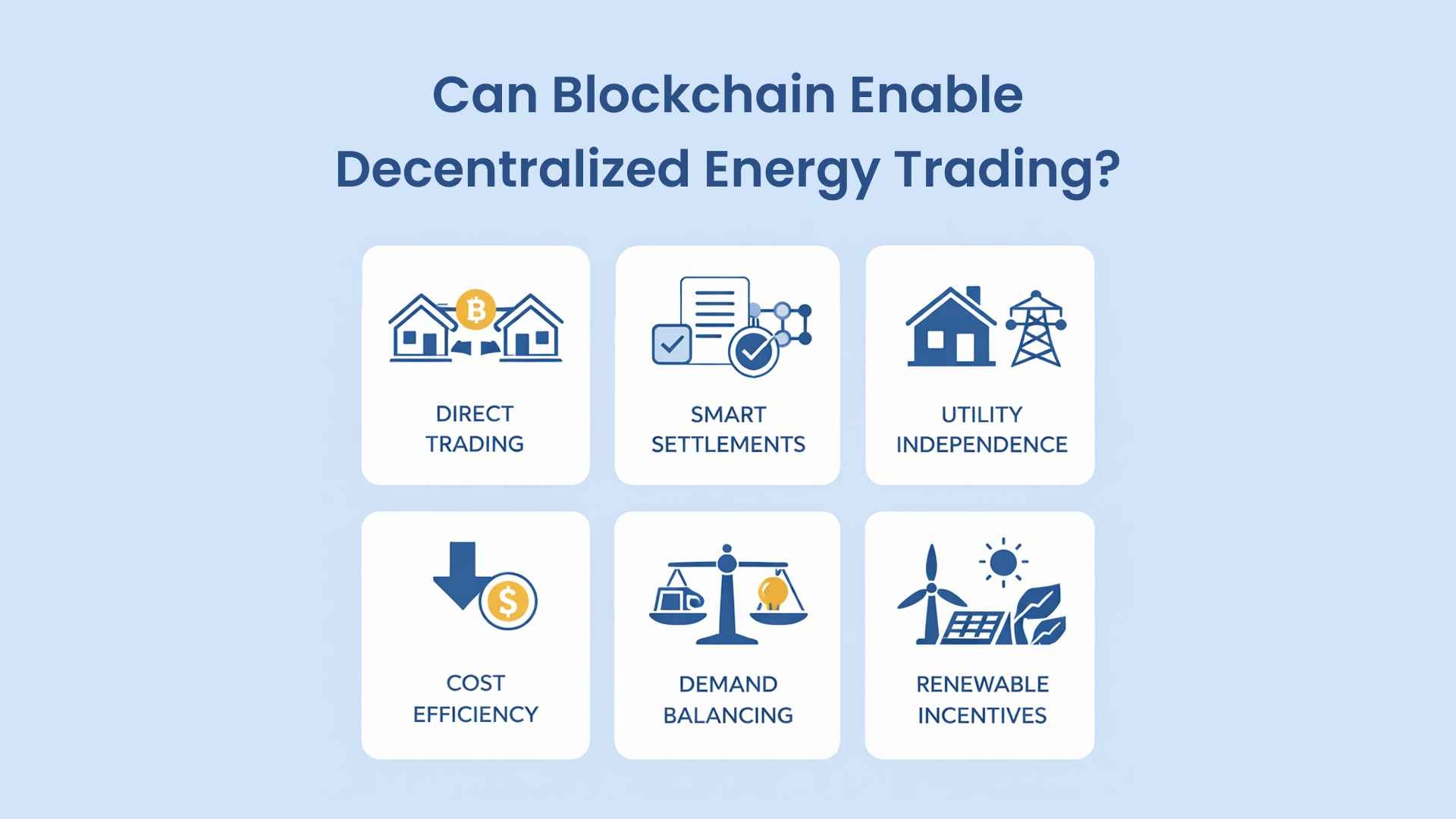
- Direct Trading: Enables households and businesses to exchange surplus renewable energy without centralized intermediaries.
- Smart Settlements: Smart contracts automatically process payments once energy delivery conditions are met.
- Utility Independence: Reduces reliance on traditional power providers while still supporting grid coordination.
- Cost Efficiency: Lowers operational and transaction expenses by removing multiple intermediaries.
- Demand Balancing: Uses real-time data sharing to better align local energy supply with consumption.
- Renewable Incentives: Encourages adoption of solar and storage systems by allowing energy monetization.
How Can Blockchain Track Carbon Credits?
Blockchain creates a transparent, secure, and auditable system for tracking carbon credits and verifying real sustainability efforts.
- Secure Records: Permanently stores carbon credit data to prevent tampering or manipulation.
- Project Traceability: Allows verification of the environmental source behind each issued credit.
- Fraud Prevention: Stops duplication and double-counting of carbon offset claims.
- Auto Verification: Smart contracts validate emissions data through trusted digital inputs.
- Sustainability Proof: Provides verifiable evidence to support corporate environmental claims.
- Regulatory Trust: Enables transparent, auditable access to environmental data for authorities.
Conclusion
Blockchain is transforming industries by improving security, transparency, and efficiency in systems that depend on accurate data sharing and coordination. Banking, healthcare, supply chains, real estate, and energy are positioned to benefit the most. Its tamper-proof records and automated agreements reduce fraud and strengthen accountability, while models like decentralized finance, digital asset ownership, and dao platform development introduce new governance and collaboration structures. IR Solutions provides specialized blockchain services, helping organizations integrate and optimize blockchain technologies to enhance operations and drive innovation.
Frequently Asked Questions
Which industry will adopt blockchain the fastest?
Banking and finance are leading because they need secure transactions and strong fraud prevention. Blockchain makes financial operations more transparent and easier to audit.
Is blockchain only for cryptocurrency?
No, crypto is just one use. Blockchain is widely used for secure records, identity verification, and trusted data sharing across industries.
How does blockchain increase trust?
Data stored on blockchain cannot be easily changed. This shared, verified record reduces disputes and builds confidence between participants.
Can blockchain stop fraud completely?
It significantly reduces fraud through transparency and traceability. However, risks can still exist outside the blockchain or from incorrect data input.
Why is blockchain valuable in healthcare?
It protects patient data while allowing secure sharing among providers. It also improves drug tracking and reduces duplicate records.
How does tokenization help real estate?
It divides property into digital shares, allowing smaller investments. This improves liquidity and makes buying or selling easier.
How does blockchain support renewable energy?
It enables direct energy trading, automates payments, and tracks carbon credits. This improves efficiency and trust in decentralized energy systems.