


Key Takeaways
- A basic blockchain MVP usually runs $25,000 to $60,000.
- Smart contract development costs $15,000 to $80,000.
- Project complexity has the biggest impact on development costs.
- Your network choice, feature list, and integrations shape the final budget.
- Security audits are non-negotiable, no matter how tight the budget gets.
- Most apps need ongoing maintenance after launch.
- Budget 15% to 20% of the build cost for that, every year.
Blockchain spending keeps increasing, and it's not slowing down anytime soon. Fortune Business Insights puts the global market at $31.18 billion in 2025. That figure is projected to hit $577.36 billion by 2034. That works out to a 36.5% CAGR, which is a striking pace of growth. Numbers like that explain why finance, healthcare, and supply chain teams keep asking us this question.
Grand View Research backs this up with its own industry data. Businesses keep investing in blockchain for a few clear reasons. It makes operations more transparent and more secure. It automates processes that used to take manual work. And, over time, it tends to bring costs down.
So, how much does blockchain app development actually cost in 2026?
Honestly, there's no single number that fits every project. It depends on the type of application you're building. It depends on the blockchain network, the feature list, and the integrations. Security requirements and the team you hire matter too.
In this guide, you'll learn the average blockchain app development cost in 2026, the factors that affect your budget, and practical ways to optimize development costs without compromising quality.
How Much Does Blockchain App Development Cost in 2026?
If you want the short version, here it is. Most blockchain projects land somewhere between $25,000 and $400,000. Where you fall on that range depends on a few things.
The type of solution, the feature list, the network, and how complex the build gets.
Here's what we typically see across the most common project types, based on real client work.
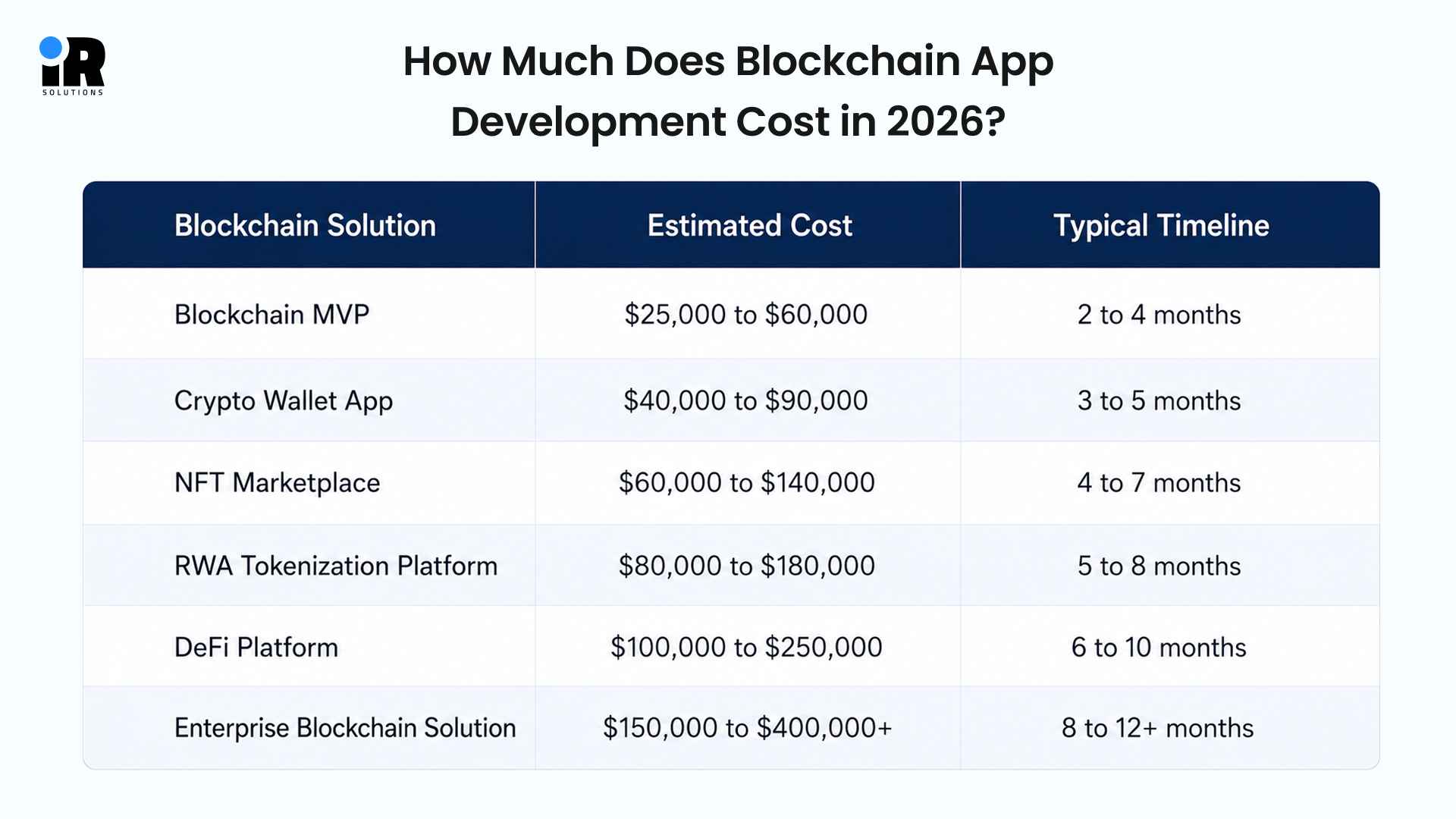
These figures are general estimates based on the scope of the project. The actual cost will shift based on your specific requirements. Your technology stack, your integrations, and your security needs all play a role, and the experience of your development team. We'll break down each of these factors below, section by section, so you can build a realistic estimate of your own instead of guessing at a number.
Blockchain App Development Cost by Development Stage
Building a blockchain application involves several development stages, and each one contributes to the total project cost. Understanding how that money gets distributed makes planning a lot easier, and it can help you plan your investment more effectively.
The table below breaks down the average cost for each stage.
1. Discovery and Planning
Every project we've seen go smoothly started with real planning. The team sits down and figures out what's actually needed. They agree on what's in scope, and just as important, what isn't. They select a blockchain network and create a development plan.
If you do this step right, and things tend to go well. You'll see fewer delays, less wasted money, and fewer last-minute surprises down the road. Skip it, and you'll likely pay for that mistake later.
2. UI/UX Design
This is where wireframes turn into something people can actually use. Designers work through user flows for both web and mobile. They build out high-fidelity designs for both web and mobile platforms.
A clean, simple interface won't take long to design. A custom dashboard with animations and interactive elements takes considerably more time. Complexity here scales the budget fast, so scope it carefully.
3. Smart Contract Development
Smart contracts are the engine room of any blockchain app. If your project relies on advanced contract logic, it's worth working with smart contract developers for secure and scalable implementations. They handle transactions, enforce the rules, and cut out the middleman entirely. That automation is the whole point of the technology.
A basic token contract is quick to build and test. Add staking, governance, or DeFi mechanics, and things change quickly.
4. Frontend and Backend Development
This stage covers the interface, the APIs, and the admin panel. It also covers databases, wallet integration, and hooking everything up to the chain. Every piece has to work together seamlessly.
More features simply mean more development time. There's no real shortcut around that reality, no matter how the project is scoped or staffed.
5. Testing and Quality Assurance
Before anything ships, it gets tested thoroughly across the board. Bugs, performance issues, and security gaps all get checked. Testing runs across different devices and different real-world conditions.
Avoiding this step can result in expensive problems when deployed.
6. Security Audit
Before a blockchain application is deployed, it should always be audited for security. The smart contracts and application code are audited to identify any vulnerabilities and minimize the risk of attacks or financial losses.
This is a crucial phase in applications that deal with digital assets or monetary deals.
7. Deployment and Launch
The last step is deploying the contracts and setting up production servers. The team runs blockchain nodes and gets the app live for users. Once it's out, monitoring starts right away.
The team watches closely during those first days of real traffic. Catching an issue early, right after launch, is far cheaper than fixing it after users have noticed.
What Are the Key Factors That Drive Blockchain App Costs?
The cost of blockchain app development depends on much more than the number of features you want. Every decision you make during planning, from choosing a blockchain network to hiring a development team, affects the overall budget.
Below are the key factors that have the biggest impact on blockchain development costs.
1. Project Complexity
This is the single biggest cost factor on any project. A basic MVP with a handful of features is fast to build. An enterprise platform with layered workflows takes considerably longer to finish.
Add staking, governance, tokenization, or cross-chain functionality to the mix. Increases cost, and not just because there's more code to write. There's also more to test, audit, and eventually maintain.
2. Blockchain Platform
The blockchain platform you choose also affects development costs. Each platform has its own tools, programming languages, transaction fees, and development requirements.
For example, Ethereum is widely used and has a large developer community, while Hyperledger is often preferred for private enterprise applications. The right choice depends on your business goals, scalability needs, and budget.
3. Smart Contract Complexity
Smart contracts are the foundation of most blockchain applications. The more logic packed into a contract, the longer everything takes. Writing, testing, and auditing all scale with that complexity directly. A simple token contract stays relatively cheap to produce.
Simple token contracts cost less than smart contracts that support automated payments, decentralized finance, or asset tokenization.
4. Features and Integrations
Authentication, wallet integration, payment gateways, and notifications all add development time. Analytics dashboards and third-party APIs do the same thing. Each one is its own small project inside the bigger one.
The longer that integration list gets, the higher the final invoice climbs.
5. UI/UX Design
Simple, clean interfaces are genuinely quicker to design and build. Custom dashboards with interactive elements take more design hours to get right.
Fully responsive design across devices adds real frontend work on top of that.
6. Security Requirements
Security is one of the most important parts of blockchain development. Smart contract Audits, encryption, penetration testing, and compliance checks all cost money upfront. None of it is cheap, and none of it should be skipped.
Although these services increase the initial investment, they reduce the risk of costly vulnerabilities after launch.
7. Development Team
Experienced blockchain developers charge more per hour than junior teams. They usually deliver cleaner code, tighter security, and fewer costly delays.
Plenty of businesses outsource to access that experience without the overhead. Building a comparable in-house team from scratch usually costs far more.
Hiring the right blockchain developers can significantly impact project quality and delivery timelines. This guide on how t hire blockchain developers explores the skills, hiring approaches, and cost factors involved in building a capable team.
8. Maintenance and Future Updates
The cost of blockchain development doesn't end after launch. Your application will need regular updates, bug fixes, security patches, infrastructure monitoring, and feature enhancements to keep it running smoothly.
Planning for ongoing maintenance helps ensure your blockchain solution remains secure, reliable, and up to date.
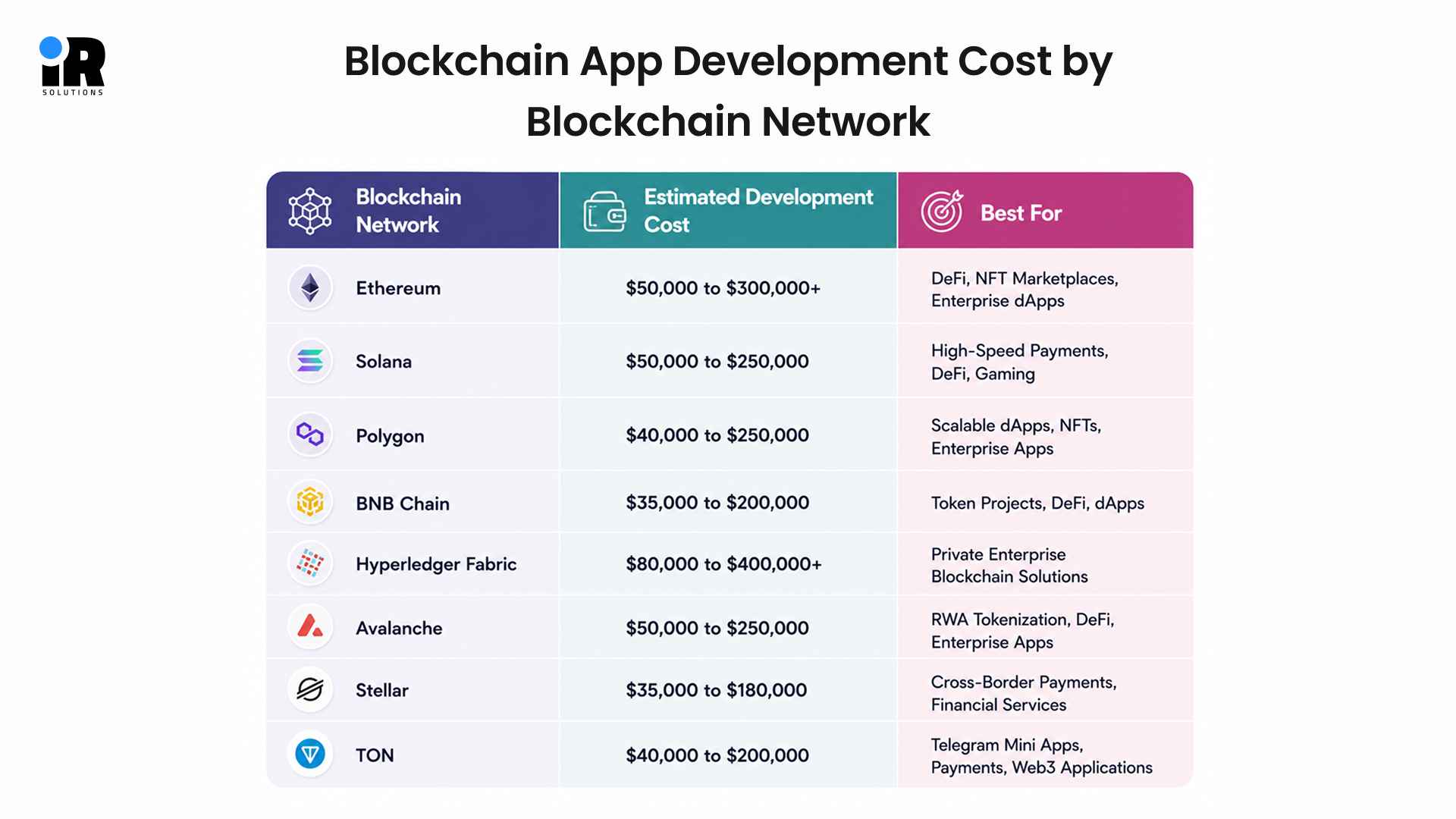
Blockchain App Development Cost by Blockchain Network
The blockchain network you choose has a direct impact on your development cost. Every platform offers different programming languages, development tools, transaction fees, scalability options, and security features. Choosing the right blockchain depends on your business goals, technical requirements, and budget.
The table below compares the average development cost and common use cases for popular blockchain networks.
Ethereum
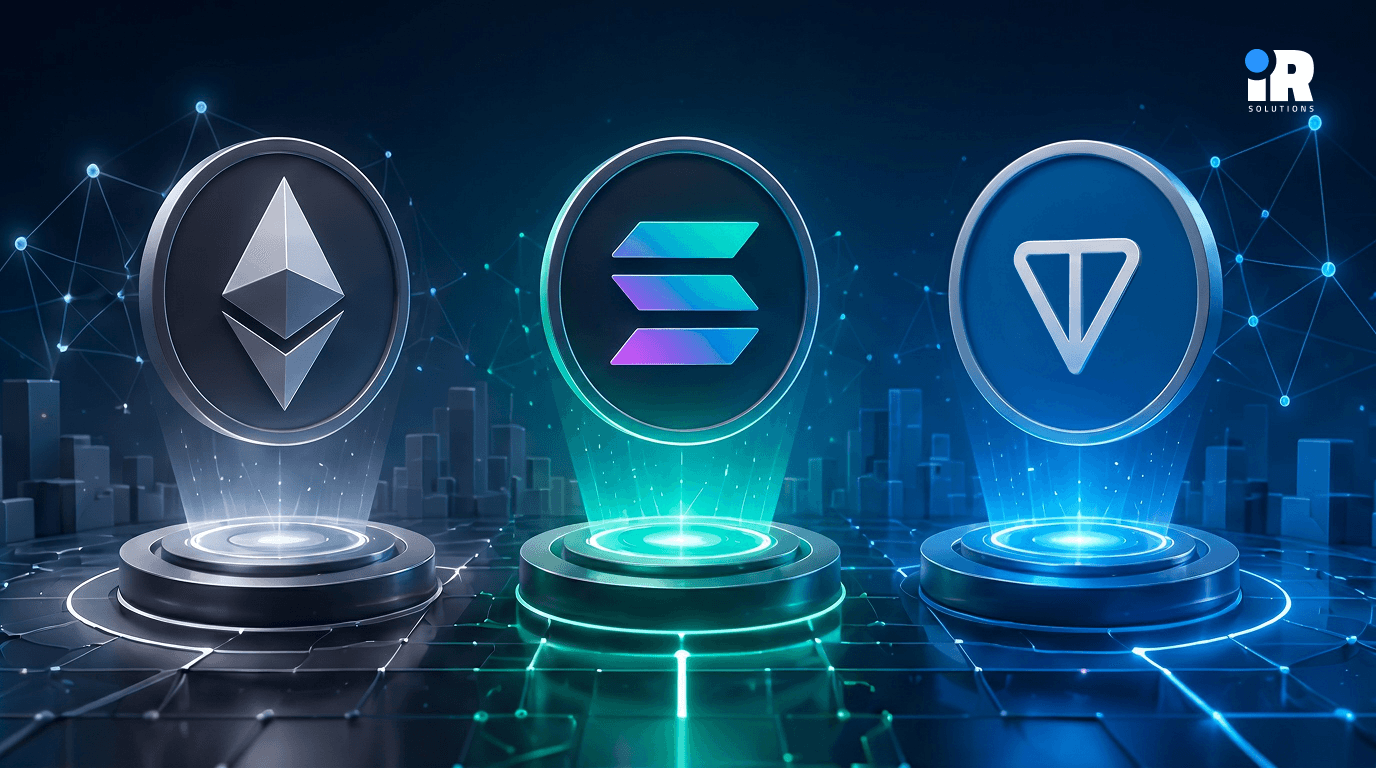
Ethereum Development remains the default choice for most serious blockchain projects. Businesses building Ethereum-based applications often hire Ethereum developers to take advantage of the platform's mature ecosystem. It offers a mature ecosystem, extensive developer tools, and strong community support. That makes it a popular pick for DeFi platforms, NFT marketplaces, and enterprise dApps.
Solana
Solana is known for fast transaction speeds and low network fees. Companies focused on high-performance blockchain applications often hire Solana developers to build scalable solutions. It's a strong choice for payment platforms, blockchain games, and DeFi apps. Anything that needs high performance and real scalability fits well here.
Polygon
Polygon runs as a Layer 2 blockchain on top of Ethereum. It cuts transaction costs while staying fully compatible with Ethereum's ecosystem. It's commonly used for scalable dApps, NFT platforms, and business applications.
BNB Chain
BNB Chain offers a cost-effective environment for building decentralized applications. Its lower fees and growing ecosystem make it popular with startups. Many launch DeFi platforms, token projects, and Web3 apps here first.
Hyperledger Fabric
Hyperledger Fabric is designed for private and permissioned blockchain networks. It's widely used by enterprises that need secure data sharing. Compliance and tighter control over network participants matter most here.
Avalanche
Avalanche offers fast transaction processing and supports highly scalable applications. It's commonly used for enterprise solutions, DeFi platforms, and real-world asset tokenization. Teams pick it when both speed and scale genuinely matter.
Stellar
Stellar is built for fast, affordable digital payments at scale. It's widely used for remittances and cross-border payment applications. Financial services that need quick, low-cost transactions tend to land here.
TON
TON, or The Open Network, is designed for scalable Web3 applications. Businesses planning Telegram-based Web3 products often hire TON blockchain developers to accelerate development. It integrates closely with the Telegram ecosystem and its user base. That makes it a strong fit for Telegram Mini Apps and consumer-facing payment tools.
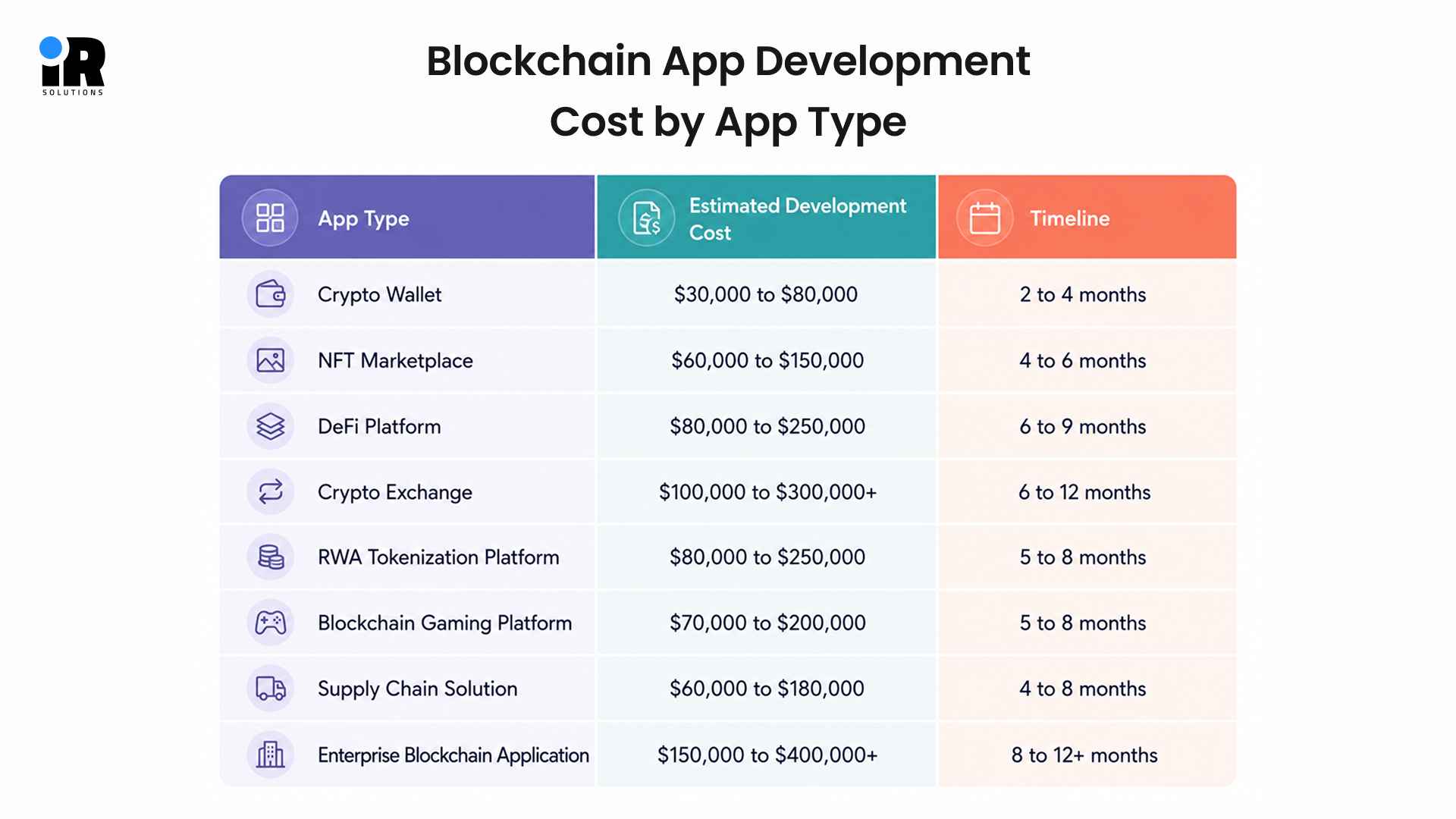
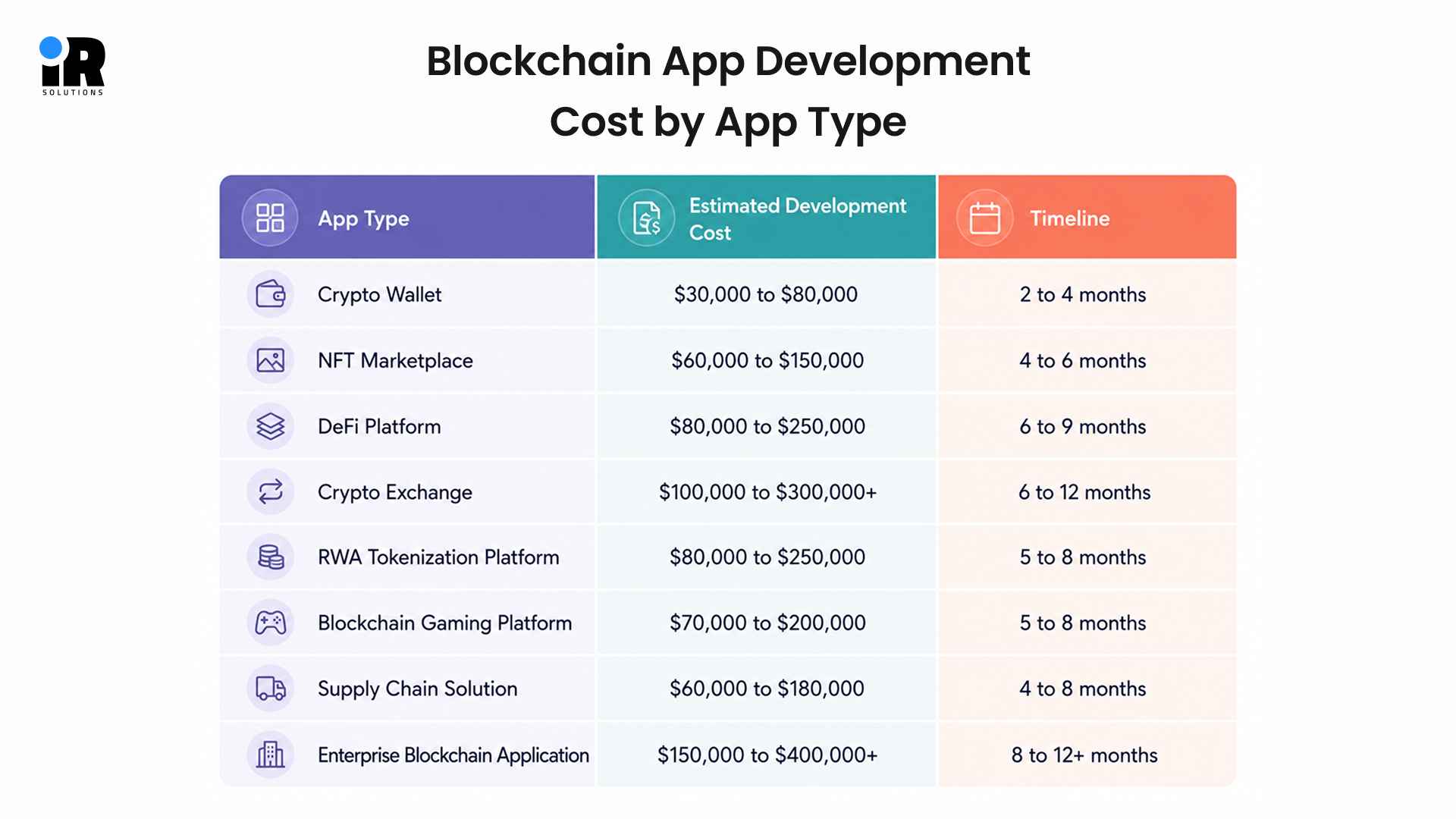
Blockchain App Development Cost by App Type
The type of blockchain application you build is one of the biggest factors that affects your development budget. A simple wallet application requires less time and fewer resources than a DeFi platform or enterprise blockchain solution with advanced features.
The table below shows the average development cost and timeline for common blockchain applications
Crypto Wallet
A crypto wallet lets users store, send, and receive digital assets securely. Development cost depends on features like multi-currency support and biometric login. QR code scanning and wallet recovery options add to that number too.
NFT Marketplace
NFT marketplaces let users create, buy, sell, and trade digital assets. Features like minting, auctions, and royalties all add real development time. Wallet integration and payment gateways push the cost up further still.
DeFi Platform
Decentralized finance platforms include staking, lending, borrowing, and liquidity pools. Yield farming is often part of the mix as well. These apps lean on complex smart contracts, which makes them pricier to build and test properly.
Crypto Exchange
Crypto exchanges are some of the most complex blockchain applications around. They need trading engines, liquidity management, and KYC verification built in. Secure wallets, payment integrations, and strong security round out the build.
RWA Tokenization Platform
RWA tokenization platforms let businesses turn real assets into tokens. Real estate, commodities, artwork, and investment funds are common examples here. Development often includes compliance features, investor dashboards, and token management on top of the contracts.
Blockchain Gaming Platform
Blockchain games combine traditional game development with digital assets and NFTs. Token-based economies are usually baked into the core design. Costs vary based on gameplay depth, graphics, and multiplayer functionality.
Supply Chain Solution
Blockchain supply chain solutions improve transparency by tracking products end-to-end. They follow goods from manufacturing all the way through delivery. Costs depend on ERP integrations, IoT devices, and real-time tracking features.
Enterprise Blockchain Application
Enterprise blockchain solutions serve large organizations with real security needs. They require secure data sharing, workflow automation, and strict compliance. These projects often include custom integrations, private networks, and advanced access controls.
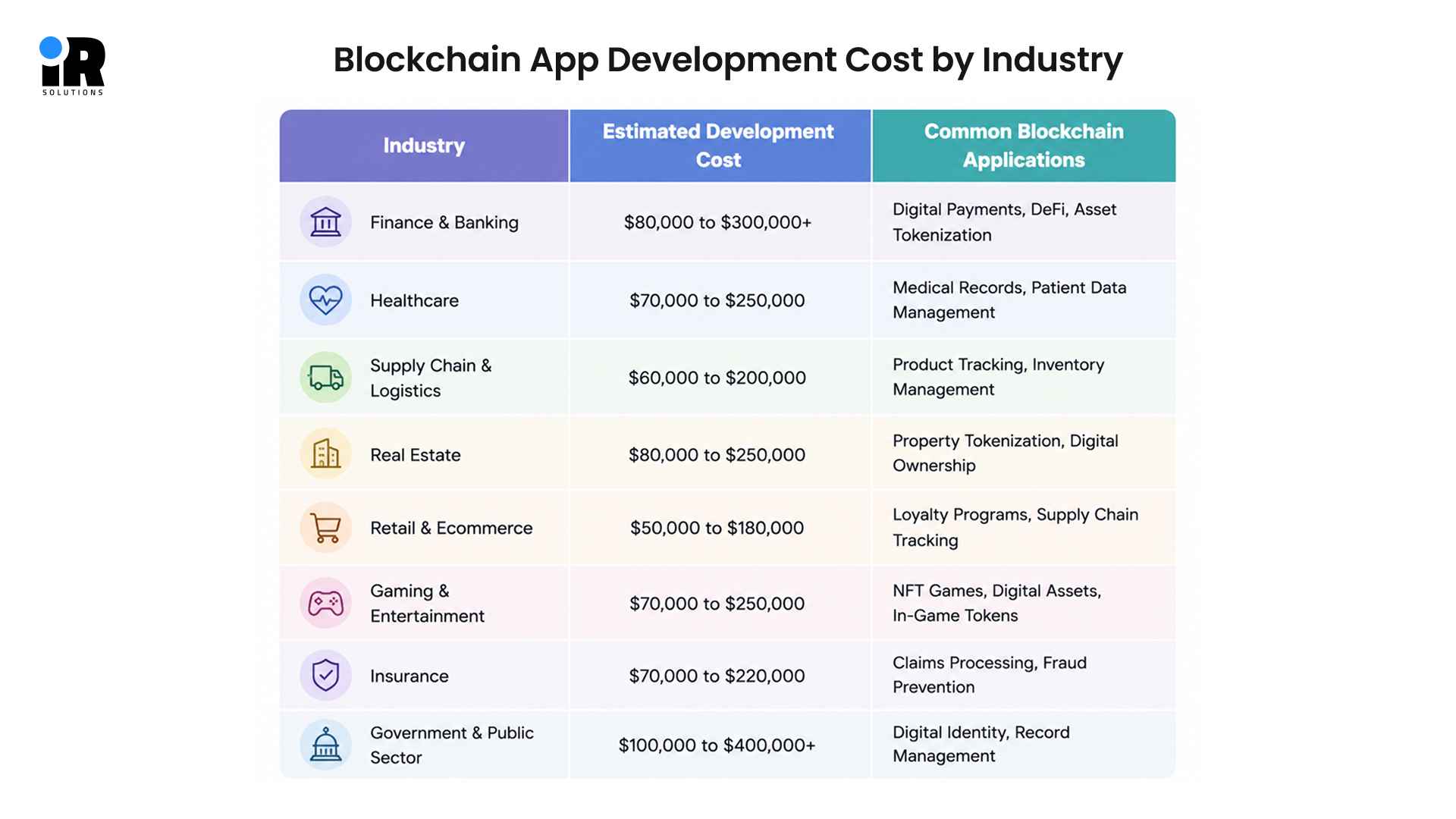
Blockchain App Development Cost by Industry
Blockchain technology is being adopted across many industries to improve security, increase transparency, and automate business processes. However, development costs vary depending on the industry's requirements, compliance standards, integrations, and application complexity.
The table below provides average development costs for blockchain solutions across different industries.
Finance and Banking
The financial sector is one of the biggest adopters of blockchain today. Businesses use it for digital payments, DeFi, and cross-border transactions. Asset tokenization falls into this bucket too. These apps need advanced security and compliance, which pushes the overall project cost up.
Healthcare
Healthcare organizations use blockchain to secure medical records and manage patient data. It also helps improve information sharing between providers. Costs here depend on privacy requirements, system integrations, and compliance with healthcare regulations.
Supply Chain and Logistics
Blockchain helps businesses track products and cut down on fraud. It improves transparency across the whole supply chain. Projects often include ERP integrations and real-time tracking, which shapes most of the budget.
Real Estate
Real estate companies use blockchain to tokenize properties and simplify transactions. Blockchain is creating new opportunities across real estate and property through tokenization and digital ownership. It also makes ownership management a lot cleaner. Costs vary based on investor portals, smart contracts, and payment integrations.
Retail and Ecommerce
Retail businesses use blockchain to improve product traceability and manage loyalty programs. Many brands are adopting blockchain across retail and ecommerce to improve customer trust and payment security. It also helps secure online payments end to end. The final cost depends mostly on the integrations and customer-facing features you choose.
Gaming and Entertainment
Blockchain is reshaping gaming through NFT-based assets and in-game tokens. Digital ownership is a big part of that shift. Development costs increase with multiplayer functionality, marketplace integration, and token economies.
Insurance
Insurance companies use blockchain to automate claims processing and reduce fraud. It also helps them manage policy records securely. Projects usually require workflow automation and integrations with existing business systems.
Government and Public Sector
Government organizations use blockchain for digital identity and public records. Land registration and secure document management fall here too. These projects involve strict security and large-scale infrastructure, making them some of the most expensive builds around.
Blockchain App Development Cost by Team Location
The location of your blockchain development team has a major impact on the overall project cost. Developer rates vary across regions based on experience, demand, and local operating costs. As a result, the same blockchain application can have very different development costs depending on where your team is located.
The table below compares the average hourly rates for blockchain developers and the estimated cost of building a typical blockchain MVP.
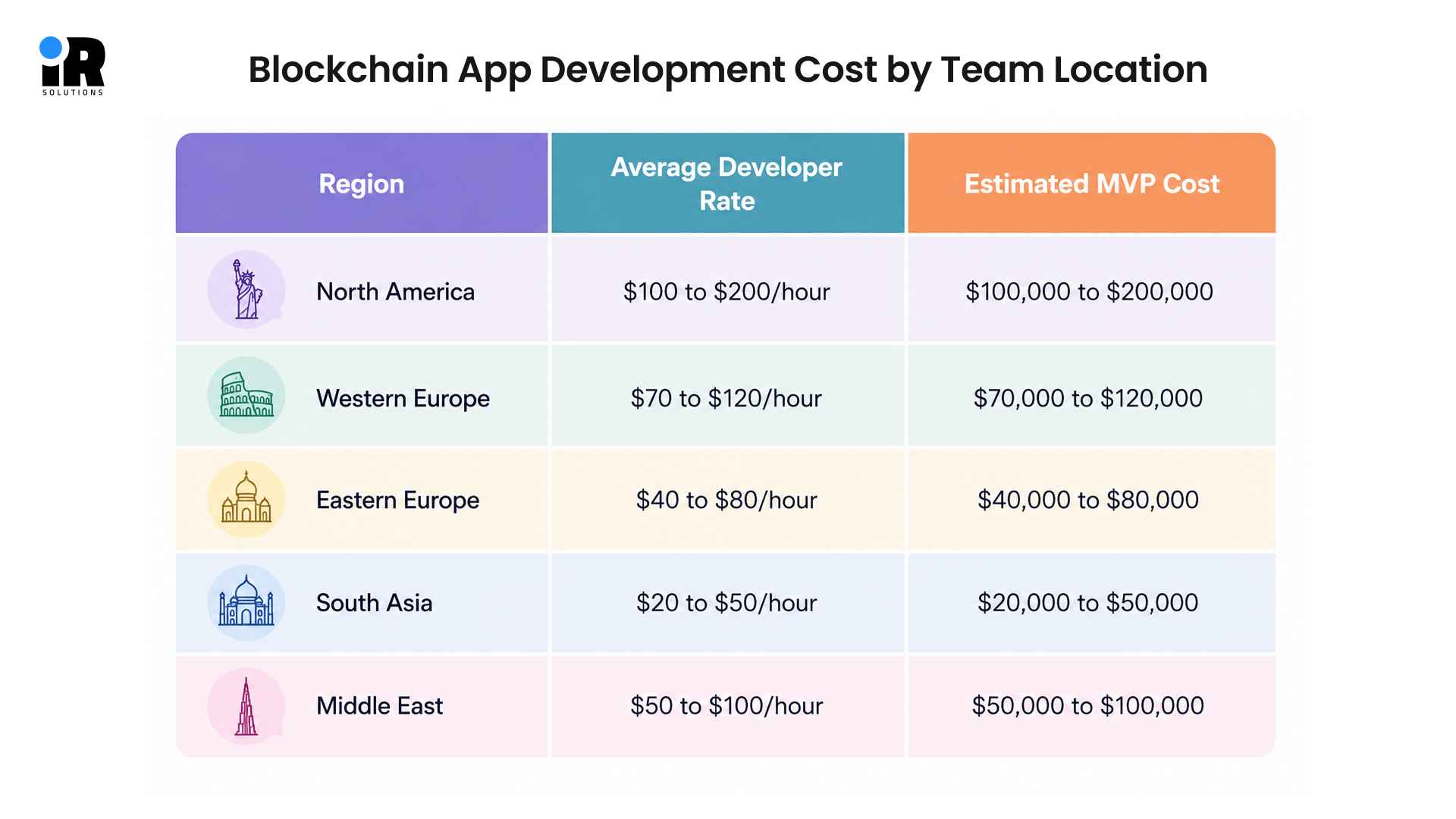
Cheapest rate isn't always the smartest choice, though, in our experience. It comes down to balancing cost against real technical expertise. Communication quality and overall project quality matter just as much.
Eastern Europe and South Asia often land in that sweet spot. Businesses go there for strong blockchain skills at lower North American rates. Many companies also choose offshore or dedicated development teams to reduce costs while still working with experienced blockchain specialists.
What Hidden Costs Do Businesses Often Forget to Budget For?
The initial development cost is only part of your blockchain project's total investment. Once your application goes live, you'll need to budget for ongoing expenses to keep it secure, reliable, and running smoothly.
Infrastructure is usually the first one people forget about. Even a decentralized app needs cloud hosting and blockchain nodes. Databases and monitoring tools add to that bill too. That cost grows steadily as your user base grows.
Then there's gas, which trips up a lot of first-time founders. Every on-chain transaction costs something, and fees vary by network. Ethereum fees can spike hard during busy periods. Polygon and BNB Chain tend to stay comparatively cheap by comparison.
Security isn't a one-time expense either, no matter what the initial quote implies. Contracts need re-auditing whenever you make major changes later. Skipping that step after an update is a common, costly mistake.
Maintenance is the big recurring line item most teams underestimate. Bug fixes, dependency updates, and new features all cost money continuously. Most teams we work with budget 15% to 20% of the build cost annually for exactly this.
Don't forget third-party services either, since they add up fast. Wallet providers, payment gateways, and identity verification all charge fees. Most bill monthly or based on usage, quietly becoming part of your long-term operating costs.
Plan for all of this from day one of the project. It's the difference between a realistic budget and an unpleasant surprise later.
How to Actually Bring the Cost Down
Building a blockchain application doesn't have to exceed your budget. With the right planning and development approach, you can reduce costs while still building a secure and scalable solution.
Here are some practical ways to optimize your blockchain development costs.
1. Start with an MVP
Instead of building every feature at once, launch with only the essentials. A Minimum Viable Product helps you validate the idea early. It also gets you real user feedback before you spend more money. Once your product gains traction, you can add features gradually, based on what people actually ask for.
2. Choose the Right Blockchain Network
Not every project needs the most expensive network on the market. Platforms like Polygon, BNB Chain, and TON often run cheaper than Ethereum. They still support a wide range of applications too. Pick the network that fits your business goals, not the one that's simply the default.
3. Prioritize Essential Features
Focus first on the features your users actually need most. Adding advanced functionality in the first release drives up both time and cost. Build the core product, launch it, and then add on based on real feedback. Growth-driven decisions tend to cost less than guesswork.
4. Use Proven Development Frameworks
Trusted blockchain frameworks and open-source tools save real development time. They also tend to improve reliability, since they've already been tested at scale. That frees your team to focus on the parts that are genuinely custom to your product.
5. Hire an Experienced Development Team
Experienced blockchain developers cost more upfront, and that's worth accepting. They reduce the risk of delays, security gaps, and expensive rework later. A skilled team can also point you toward the most cost-effective architecture for your specific project.
6. Plan Security from the Beginning
Security shouldn't be something you bolt on right before launch. Building secure smart contracts from day one is usually cheaper. It's far more affordable than fixing vulnerabilities after the fact, once real money is on the line.
7. Plan for Future Growth
Design your application with scalability in mind from the start. A well-planned architecture makes it easier to add features later. It also helps you support more users without rebuilding the whole system from scratch.
How IR Solutions Estimates Blockchain Projects
There's no fixed cost here, since every project we scope looks different. The numbers in this guide are industry averages, nothing more. Your actual budget depends on what you're building and why you're building it.
At IR Solutions, we begin every project with a discovery session to understand what you're building and what you want to achieve. Our blockchain architects and developers review your requirements, recommend the most suitable blockchain network, identify the required features, and estimate the development effort before the project begins.
Rather than providing one rough number, we break the project into clear stages. Planning, design, smart contracts, frontend and backend, testing, deployment, and post-launch support each get scoped separately. That way you can see exactly where your money goes.
We also account for costs that tend to get missed elsewhere. Audits, infrastructure, third-party integrations, gas fees, and long-term maintenance all get factored in early. Planning for these upfront keeps you from getting blindsided later in the project.
If you're planning a blockchain application, our team can review your requirements and provide a customized project estimate with a defined scope, timeline, and transparent pricing, helping you make informed decisions before development begins.
Conclusion
Blockchain development costs differ quite a bit depending on several factors. The app type, the network, the feature list, and the security bar all matter. So does the team you choose to build it with.
Getting a handle on these factors before you start really pays off. It's what separates a realistic budget from an unexpected mid-project surprise.
Whether you're building a crypto wallet or a full DeFi platform, the technology and team you pick shape everything downstream. An NFT marketplace, an RWA tokenization tool, or a full enterprise system all follow the same rule. Your choices here affect both what you spend and how well the product holds up long-term.
If you're ready to turn your blockchain idea into something real, get in touch. We offer a free consultation to review what you actually need. From there, we'll put together a scoped estimate with a clear timeline and honest, transparent pricing throughout.
Frequently Asked Questions
What's the cheapest way to get a blockchain app off the ground?
Build an MVP instead of a full-featured platform right out of the gate. You'll spend $25,000 to $60,000, and you'll actually learn what users want before committing more.
Why do smart contracts cost so much compared to regular app features?
Because a bug in a smart contract can drain real money, not just crash a screen. That risk means more time on testing and auditing, which shows up in the price.
Is Ethereum still worth the higher price tag in 2026?
For most DeFi and NFT projects, yes, since the tooling and developer talent are hard to match elsewhere. If you're cost-sensitive, though, Polygon or BNB Chain get you most of the same functionality for less.
Do I really need a security audit if my budget is tight?
Yes, especially if your app touches user funds or digital assets in any way. Skipping it doesn't save money, it just moves the cost to after something goes wrong.
How much should I set aside for maintenance after launch?
Plan for 15% to 20% of your original build cost every year. That covers bug fixes, security patches, and the small updates that keep the app running smoothly.
Can hiring an offshore team really cut my budget without hurting quality?
It can, particularly if you're working with experienced developers in Eastern Europe or South Asia. The key is vetting for real blockchain experience, not just picking whoever quotes the lowest rate.
What's the biggest hidden cost people forget to budget for?
Gas fees catch a lot of first-time founders off guard, especially on busier networks like Ethereum. Third-party services like wallet providers and payment gateways add up quietly too.