


Key Takeaways
- The total cost for an RWA tokenization platform ranges widely, from around $40,000 for basic single-asset setups to $500,000 or more for complex, enterprise-grade, multi-chain platforms.
- Significant upfront investment goes into platform architecture, smart contract development, and blockchain selection, with blockchain development alone typically running $10,000 to $60,000 depending on the network.
- Legal and regulatory compliance is one of the largest expenses, ranging from $25,000 for a single jurisdiction to $150,000 for platforms operating across multiple regulatory regions.
- Ongoing operational costs, including hosting, security monitoring, compliance updates, and support, typically run $12,000 to $44,000 per month once live.
- Choosing between a custom-built platform (higher cost, greater long-term control) and a white-label solution (lower cost, faster to market) significantly shapes the overall investment required.
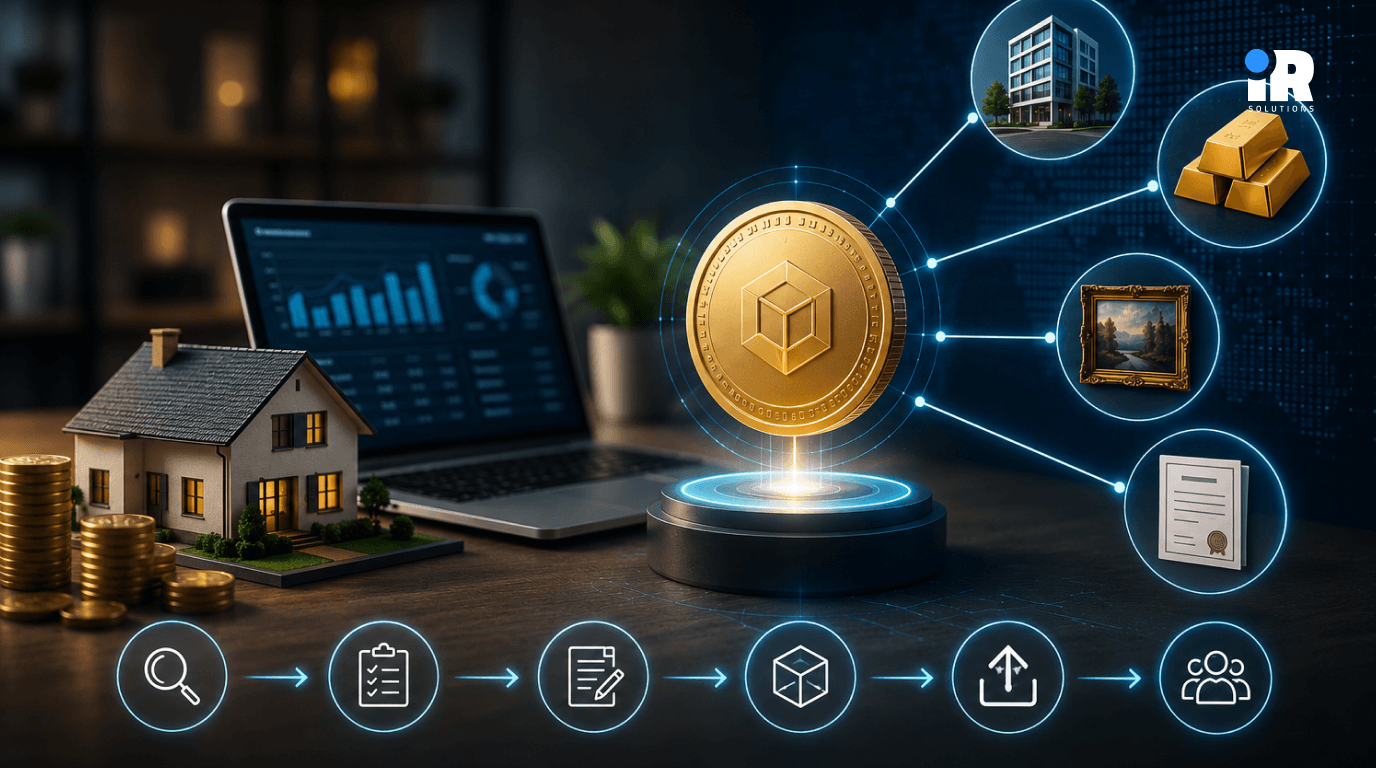
Tokenization is quietly transforming how real-world assets move through modern financial markets. Real estate, private equity, commodities, artwork, and even government bonds can now be represented as digital tokens instead of relying on paper-based ownership records. This shift enables fractional ownership, faster settlement, improved liquidity, and broader investor access that was difficult to achieve through traditional financial systems.
A 2025 report from Boston Consulting Group and Ripple puts tokenized RWAs at nearly USD 0.6 trillion today, a small fraction of where the market is headed. The same report projects USD 9.4 trillion by 2030 and USD 18.9 trillion by 2033, a 53% compound annual growth rate. Institutions are moving from pilots to real deployment, regulation is catching up in places like the EU, and blockchain infrastructure has matured enough for enterprise compliance teams to sign off on it.
For businesses planning to enter this market, understanding the investment required is just as important as recognizing the opportunity. Development costs vary based on the asset being tokenized, blockchain selection, compliance requirements, platform features, and the level of customization, making careful planning essential before starting the project.
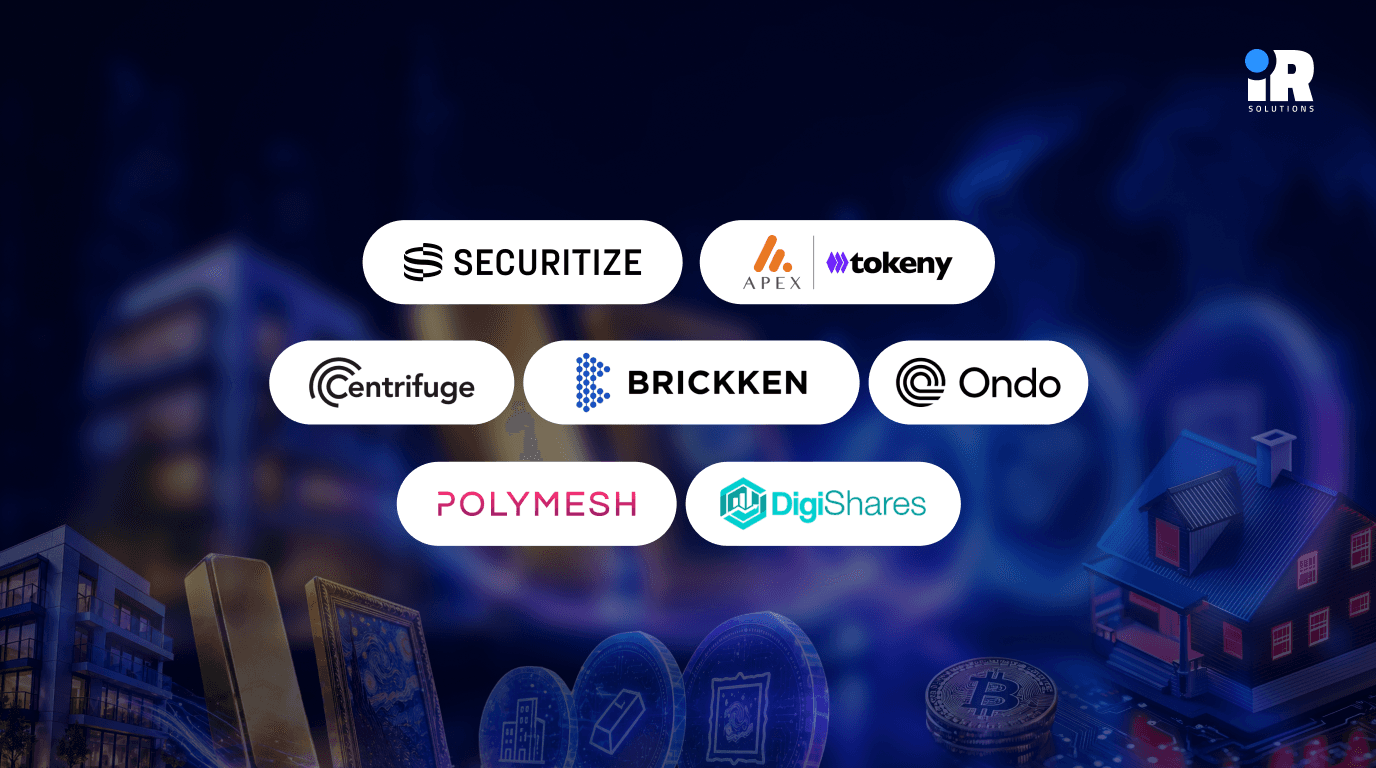
If you're still deciding whether to build or buy, our comparison of the top 7 RWA tokenization platforms is worth reading first.
How Much Does It Cost to Build an RWA Tokenization Platform in 2026?
In 2026, most RWA tokenization platforms cost between $40,000 and $250,000 to build. Enterprise-grade, fully custom, multi-chain platforms can exceed $500,000, while white label solutions can start as low as $15,000. The final cost depends on factors such as the asset type, blockchain network, compliance requirements, platform features, and level of customization.
- Basic MVP: $40,000 – $80,000
Covers a single asset type, single blockchain support, standard compliance for one jurisdiction, and a simple functional investor dashboard.
- Mid-Range: $80,000 – $150,000
Adds multi-asset support, a more developed investor portal, stronger compliance across two or three jurisdictions, and an audited smart contract layer. This is the tier most first-time issuers actually build in.
- Enterprise: $150,000 – $500,000+
Includes multi-chain support, compliance across multiple regulatory regions, institutional-grade tooling, secondary market infrastructure, advanced automation, and sometimes white-label licensing for other issuers.
Where your project actually lands depends on a handful of decisions, which we'll walk through next. One exception sits outside these three tiers: white-label solutions, covered later in this guide, can start as low as $15,000 because they skip most of the discovery, custom smart contract, and design costs built into the tiers above.
What Factors Affect the Cost of Building an RWA Tokenization Platform?
A handful of choices set your budget long before anyone writes a line of code. Get these wrong early, and the correction usually costs more than getting them right the first time.
Type of Asset Being Tokenized
Different assets carry different baggage. Real estate means property law, title verification, and jurisdiction-specific legal structuring. Commodities mean supply chain verification and proof of physical custody. Neither is cheap, but they're expensive in different ways.
Blockchain Network Selection
Ethereum has the deepest tooling and largest developer pool, but higher gas fees add up over time. Newer chains trade ecosystem size for lower running costs. Pick based on what your project needs, not what's trending.
- Ethereum runs $15,000 to $35,000, best for enterprise builds where ecosystem depth matters.
- Polygon runs $10,000 to $25,000, the practical starting point for startups wanting Ethereum compatibility without the gas overhead.
- Avalanche runs $15,000 to $30,000, suited to institutional projects needing flexible contract logic.
- Solana runs $12,000 to $28,000, strong for high-volume retail offerings.
- Hyperledger Fabric runs $30,000 to $60,000, the priciest option because its private network gives enterprises privacy and governance controls public chains can't.
Compliance and Regulatory Requirements
This is where budgets quietly balloon. Multi-jurisdiction compliance, KYC, AML checks, and transfer restrictions aren't glamorous, but they eat real development and legal hours. Treating compliance as an afterthought almost always costs more later.
- US offerings under SEC Reg D, Reg S, or Reg A+ typically range from $30,000 to $90,000.
- UK platforms under FCA and MiFID II run $35,000 to $75,000. UAE projects under VARA or DFSA run $25,000 to $55,000.
- EU platforms under MiCA and ESMA run $30,000 to $85,000.
- Canadian platforms run $25,000 to $50,000.
- Singapore's MAS licence runs $30,000 to $65,000.
- Multi-jurisdiction platforms should budget $80,000 to $150,000 combined.
Platform Features and Functionality
Every feature you bolt on costs development hours now, whether it's an investor dashboard, a secondary trading module, or automated reporting. Sometimes that spend pays for itself later. Sometimes it's just extra weight the project didn't need at launch.
Third Party Integrations
Every third-party service you connect adds integration work, security review, and ongoing maintenance. A platform with five integrations costs more to run than one with two, regardless of how similar the core product looks.
- Identity verification (Onfido, Sumsub, Jumio) runs $2,000 to $6,000.
- AML screening (ComplyAdvantage, Chainalysis) adds $2,000 to $5,000.
- Payment processing (Stripe, Fireblocks, BitGo) adds $1,500 to $5,000.
- Wallet services (MetaMask SDK, WalletConnect) run $1,000 to $3,000.
- Legal document management (DocuSign, HelloSign) adds $1,000 to $2,500.
- Analytics dashboards add $3,000 to $10,000.
Development Team and Location
Experienced blockchain developers charge more than general software teams but reduce costly security risks and mistakes. The real choice comes down to building in-house versus bringing in blockchain developers with proven expertise. For platforms handling real investor capital, the right talent prevents expensive issues down the line.
RWA Tokenization Platform Development Cost Breakdown
Here's where the money actually goes, stage by stage, so you can see what you're paying for at each point in the build.
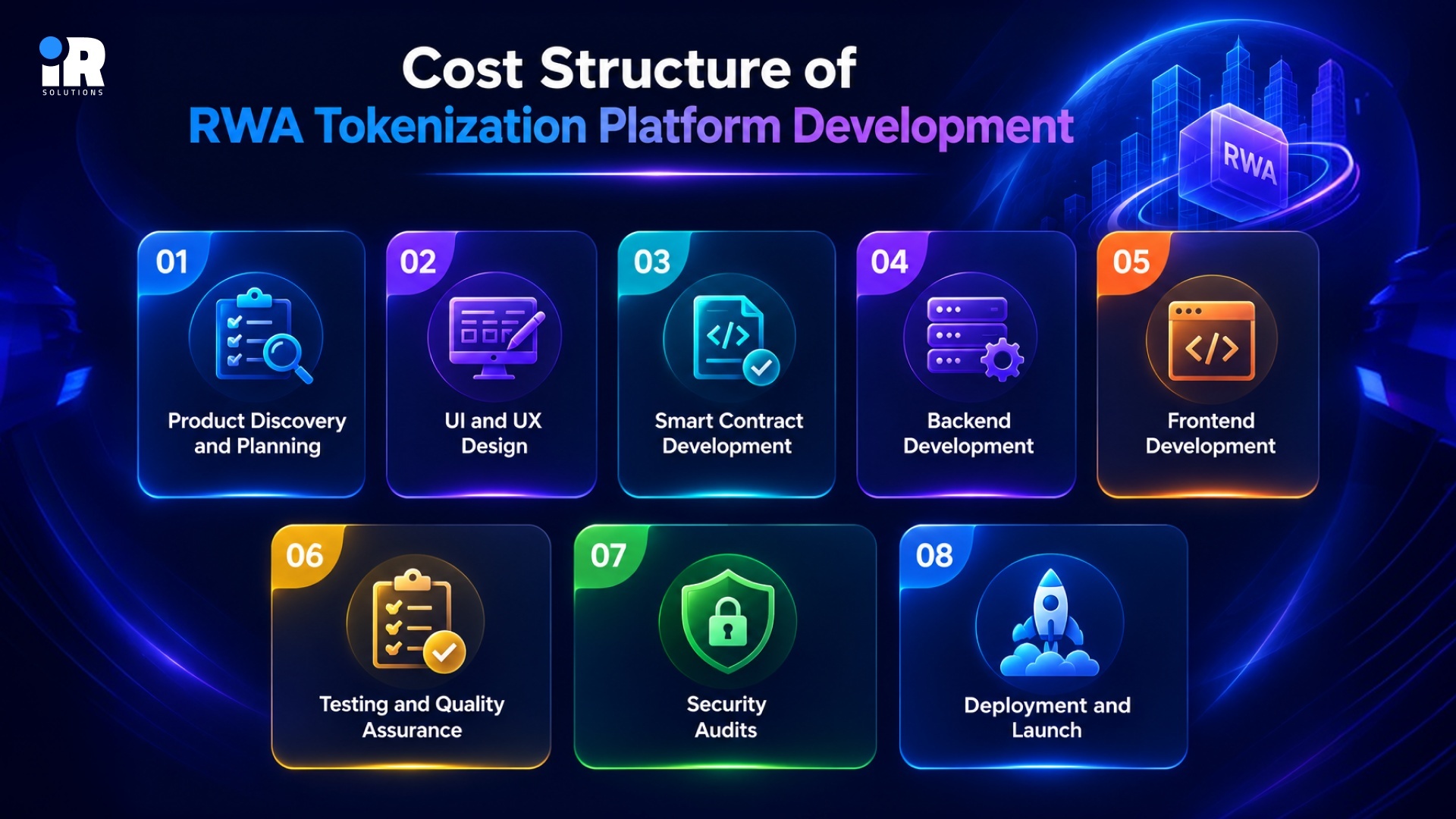
Product Discovery and Planning
This stage defines scope, target users, compliance needs, and technical architecture before anyone starts building. Skip it to save time upfront, and you'll almost certainly pay for the rework later, usually at a worse and more expensive point in the project. Budget roughly $2,000 to $8,000 for this stage, depending on how well-defined the requirements already are.
UI and UX Design
Investor dashboards, onboarding flows, admin panels. Done well, support requests drop and investors trust the platform faster. Done poorly, you'll hear about it in every onboarding call your team fields for the next year. This typically runs $3,000 to $15,000, with custom-designed interfaces sitting at the higher end.
Smart Contract Development
Usually the single most expensive and most technically demanding stage of the entire build. Issuance logic, transfer rules, compliance checks, and often automated income distribution all live inside these contracts, and mistakes here are the hardest and costliest to fix after deployment. Costs range from $15,000 for basic issuance logic to $80,000 or more for contracts handling automated distributions and layered compliance.
Backend Development
Data storage, API connections, user authentication, and the connective tissue linking your smart contracts to your interface. This layer gets built once but needs to hold up under scale you probably haven't hit yet. Expect $8,000 to $40,000 depending on how many integrations and how much scale the backend needs to support from day one.
Frontend Development
This is what investors actually touch and judge your platform by. Frontend work usually runs alongside backend development to keep the overall timeline from stretching out longer than it needs to. This stage generally costs $6,000 to $30,000, scaling with the number of user roles and dashboard views required.
Testing and Quality Assurance
Bugs and security gaps are cheap to fix before launch and expensive to fix once real investor money is flowing through the platform. Rushing this stage to hit a launch date is one of the more common, and more costly, mistakes teams make under deadline pressure. Budget $3,000 to $15,000 for thorough testing, more for platforms with complex compliance logic to validate.
Security Audits
Not optional for any platform handling investor funds. Costs scale with contract complexity, but an audit is one of the few expenses on this entire list that's genuinely hard to regret paying for. Independent audits typically run $5,000 to $25,000, depending on the size and complexity of the smart contract codebase.
Deployment and Launch
Deploying contracts to your chosen chain, configuring production infrastructure, and running final checks before anything goes live. Build in a rollback plan. Something will go sideways eventually, and you'll want a documented way back that doesn't involve panic. This stage generally costs $2,000 to $10,000, covering deployment, infrastructure setup, and final pre-launch checks.
Additional Costs to Consider After Launch
Launch day isn't the finish line. It's closer to the starting line for a second, quieter budget most first-time platform owners don't plan for.
- Hosting Costs: Infrastructure needs to scale with your investor base and transaction volume, not stay frozen at whatever size it was on launch day.
- Maintenance Work: Updates, bug fixes, and performance monitoring are ongoing costs, not one-time expenses that end after launch.
- Contract Updates: Regulations shift over time, and your contracts sometimes need to shift with them without breaking anything already live on-chain.
- Licensing Fees: These vary by jurisdiction and continue year over year. They don't stop after your first compliance filing.
- Support Teams: Investors expect someone to respond quickly when something goes wrong with their holdings or their access.
- New Features: Secondary trading, new asset classes, anything you add after launch is a fresh development cost, not a free upgrade that comes bundled in.
It is worth being specific about what these ongoing costs actually look like monthly, because most first-time platform owners budget for launch and treat everything after it as a vague future problem.
Infrastructure and hosting typically run between $2,000 and $8,000 per month depending on transaction volume and user load. Security monitoring, whether handled by a dedicated internal team or a third-party managed service, adds between $3,000 and $10,000 per month.
Smart contract maintenance, including updates triggered by regulatory changes or performance issues, runs between $2,000 and $5,000 per month on average. Compliance and legal updates in the jurisdictions where the platform operates add between $3,000 and $15,000 per month, with the higher end applying to platforms operating across multiple regulatory environments simultaneously.
Investor support and communications, covering help desk staffing and investor reporting, typically adds another $2,000 to $6,000 per month. These are not optional line items that can be deferred until the platform is generating revenue. They are the operational baseline that keeps the platform functional, compliant, and trusted by the investors using it.
How Asset Type Affects Development Cost
The asset you choose to tokenize shapes almost everything downstream: legal complexity, technical scope, and ultimately the final number on your invoice.
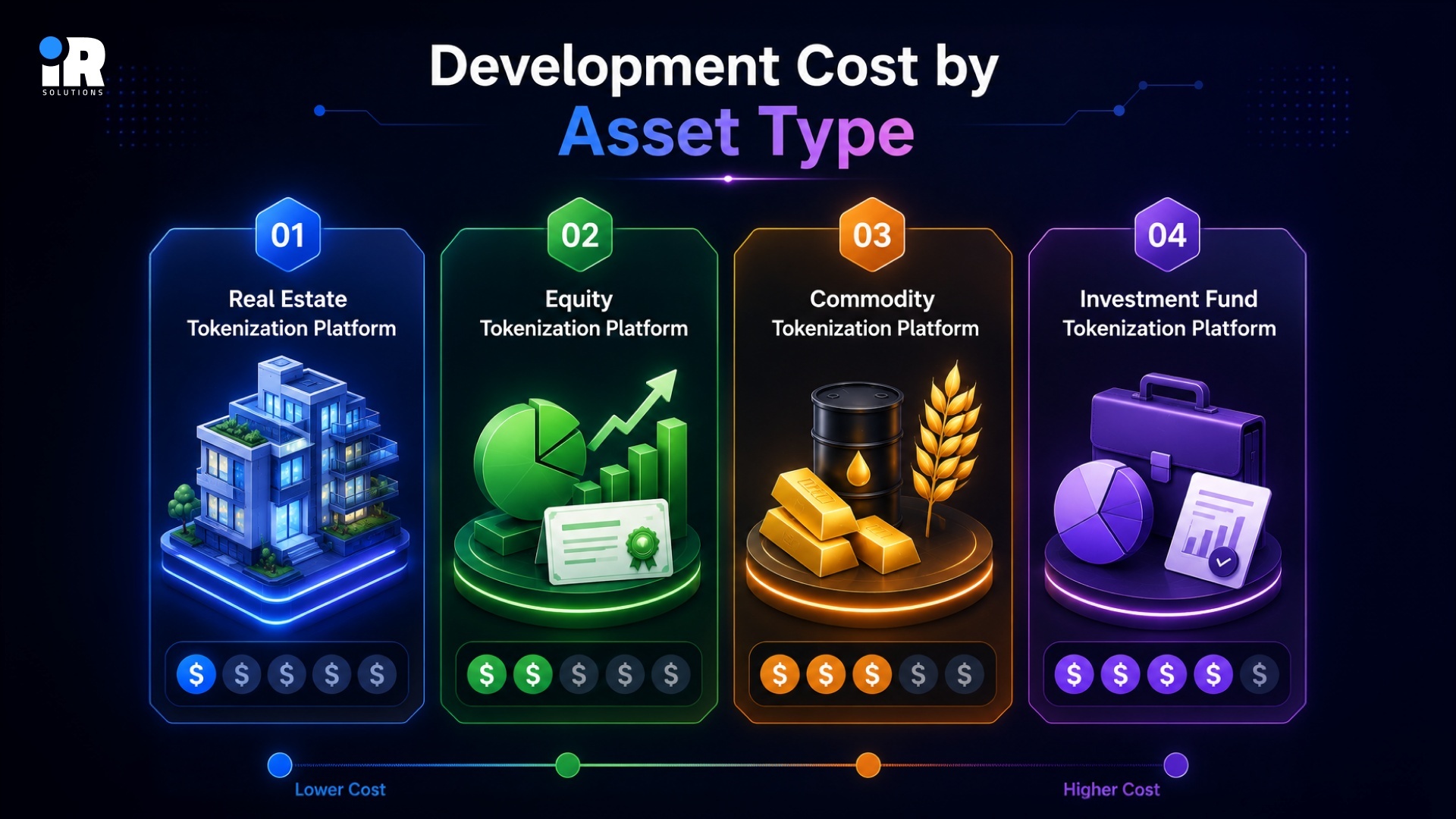
Real Estate Tokenization Platform
Property valuation integration, title verification, and jurisdiction-specific legal structuring before a single token can launch. These requirements typically push real estate projects into the mid-to-higher end of the cost range.
If real estate is your specific use case, our guide to tokenizing real estate walks through the process in more depth.
Equity Tokenization Platform
Strict securities compliance, transfer restrictions, and often integration with existing cap table management systems that investors already use. The regulatory depth here alone tends to make equity platforms pricier than simpler asset categories.
Commodity Tokenization Platform
Proof of custody, supply chain verification, and sometimes physical audit integration to confirm the token is actually backed by something real. That verification layer adds meaningful cost beyond standard issuance functionality.
Investment Fund Tokenization Platform
Investor accreditation checks, automated distribution logic, and reporting tools built specifically for fund administrators. This combination of compliance depth and automation tends to land fund platforms near the top of the cost bracket.
Thinking about building your own RWA tokenization platform? Book a free call with our team to scope your project and get an accurate cost estimate.
Custom vs. White Label RWA Tokenization Platform Development
One of the most important decisions when planning an RWA tokenization platform is whether to build a fully custom solution or launch with a white-label platform. Each approach has different advantages depending on your business goals, budget, regulatory requirements, and expected growth.
Custom RWA Tokenization Platform Development
A custom-built platform gives businesses complete ownership over the technology, user experience, and feature set. Everything is designed around your specific business model, allowing you to build proprietary workflows, custom smart contracts, advanced compliance features, and integrations with the blockchain networks or financial systems you need.
This approach is often preferred by enterprises, financial institutions, and organizations planning long-term growth because it offers maximum flexibility and scalability. However, custom development requires a larger investment.
Depending on project complexity, costs generally range from $100,000 to $500,000 or more, with development timelines typically lasting 9 to 24 months. The budget covers architecture planning, smart contract development, security testing, regulatory compliance, backend infrastructure, frontend applications, API integrations, and ongoing quality assurance.
White Label Tokenization Platforms
White-label solutions provide a faster path to market by offering a ready-made platform that can be customized with your company's branding. Instead of building every component from scratch, businesses deploy an existing framework and configure it to meet their operational requirements.
For startups and organizations looking to validate their business model quickly, this option significantly reduces development costs and implementation time. Most white-label deployments cost between $15,000 and $50,000 and can often be launched within 2 to 6 months.
The trade-off is reduced flexibility. Since the platform is based on pre-built technology, customization options may be limited, making it more difficult to introduce highly specialized features or create a unique user experience.
Hybrid Development Approach
Many businesses choose a hybrid strategy that combines the speed of a white-label platform with the flexibility of custom development. In this model, the core infrastructure is built on an existing platform while business-specific features are developed separately.
For example, an organization may use a white-label solution for investor onboarding, token issuance, and wallet management while developing custom smart contracts, compliance workflows, reporting dashboards, or marketplace functionality tailored to its operations.
This approach helps reduce development costs and shorten launch timelines without sacrificing the ability to differentiate the platform as business requirements evolve.
Which Option Is Right for Your Business?
The right development strategy depends on your long-term objectives rather than the initial investment alone. Companies seeking complete control, advanced customization, and enterprise-grade scalability often benefit from a custom-built platform. Businesses prioritizing speed, lower upfront costs, and faster market entry may find a white-label solution more practical. A hybrid approach offers a balanced option for organizations that want both efficiency and room for future expansion.
Either way, our RWA tokenization services can help you scope which path actually fits your project.
How to Reduce RWA Tokenization Platform Development Costs
None of the strategies below require cutting corners on security. They mostly require better sequencing of the work.
Build an MVP First
Ship the core functionality, validate real investor demand, then add the advanced features once you actually know people want them instead of guessing upfront.
Focus on Core Features
Compliance, security, and basic investor management come first. Secondary trading and complex automation can wait until the platform has proven its core value.
Select the Right Blockchain
Don't pay for capabilities your project doesn't actually need. A lower-fee network can meaningfully cut both your build cost and your ongoing transaction costs.
Choose an Experienced Development Partner
Costs more per hour upfront, but tends to save money over the life of the project by avoiding the mistakes that turn into expensive rebuilds later.
Common Mistakes That Increase Development Costs
Most of the expensive mistakes on this list are entirely avoidable, which is exactly why they're worth naming clearly.
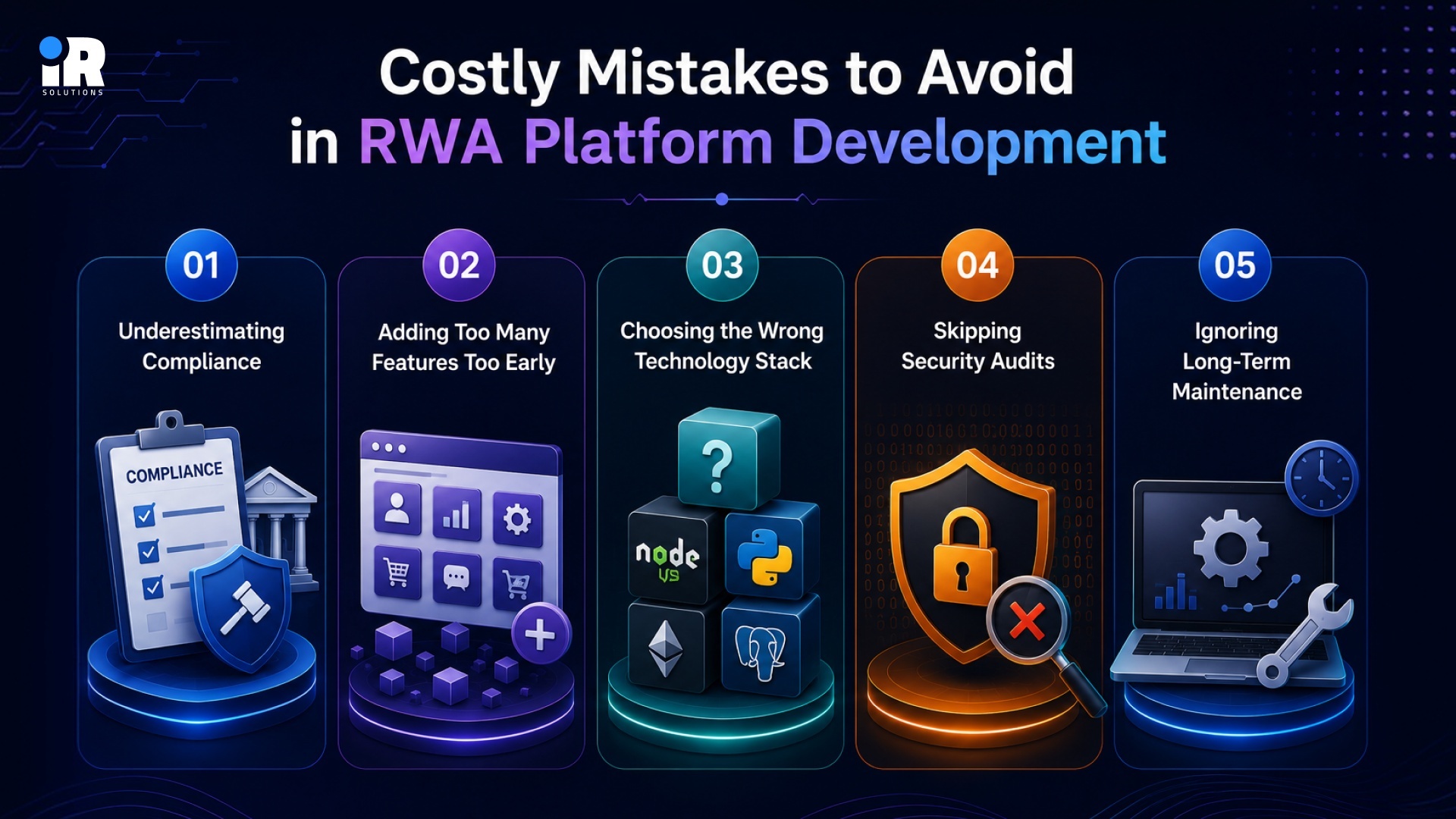
Underestimating Compliance
Treating compliance as an afterthought instead of a foundational requirement almost always leads to expensive legal rework once the platform is already live.
Adding Too Many Features Too Early
It's tempting to build everything at once before launch. Most of it ends up unused. Launching lean and expanding based on real investor feedback is the more cost-effective path.
Choosing the Wrong Technology Stack
A stack that doesn't match your project's actual needs creates expensive migration problems later, often forcing a partial rebuild that costs more than careful planning would have upfront.
Skipping Security Audits
Arguably the riskiest shortcut on this entire list. A single vulnerability can cost far more than every audit you'll ever pay for combined, both in dollars and in investor trust.
Ignoring Long-Term Maintenance
Budgeting only for launch costs and getting blindsided by year-one maintenance expenses is a common, and entirely preventable, planning failure.
Is Building an RWA Tokenization Platform Worth the Investment?
For a lot of businesses, the answer is yes. The long-term upside tends to outweigh what it costs to get there. It's a question we help clients work through often at IR Solutions, and the answer usually comes down to the five factors below.
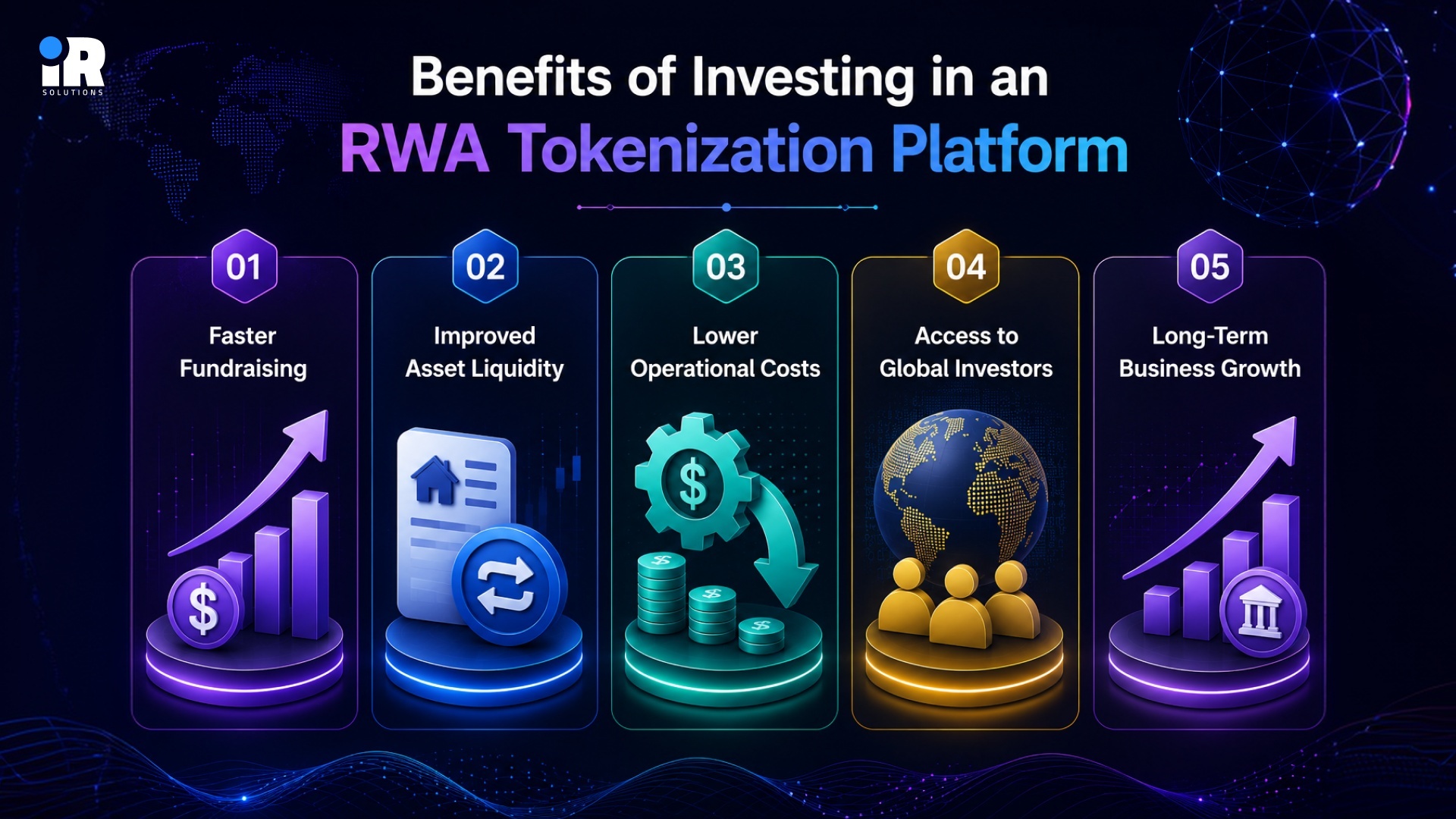
Faster Fundraising
A broader, more digitally native investor base often means shorter timelines to hit a funding target compared to traditional capital-raising methods.
Improved Asset Liquidity
Tokenized assets trade more easily than their traditional counterparts, which tends to make the offering itself more attractive to a wider range of investors.
Lower Operational Costs
Automating compliance and distribution through smart contracts cuts administrative overhead, and those savings tend to add up meaningfully over the platform's full lifetime.
Access to Global Investors
Tokenization removes a lot of the usual friction around cross-border investment, which widens both the capital pool and the diversity of the investor base.
Long-Term Business Growth
Building this infrastructure early puts a business ahead of competitors as institutional adoption keeps accelerating across nearly every asset class.
Conclusion
Building an RWA tokenization platform requires more than estimating development costs. Your total investment depends on the asset being tokenized, the blockchain you choose, compliance requirements, platform features, and your long-term business goals. By planning carefully, prioritizing security, and starting with the right development approach, businesses can reduce unnecessary costs while building a scalable and compliant platform. With the tokenized asset market projected to reach nearly USD 19 trillion by 2033, businesses that invest in the right foundation today will be better positioned to capture future growth and attract a broader base of investors.
Frequently Asked Questions
How much does it cost to build an RWA tokenization platform?
Most RWA tokenization platforms cost between $40,000 and $250,000 to build. Enterprise-grade, fully custom, multi-chain platforms can exceed $500,000, while white label solutions typically start around $15,000. The final cost depends on your project requirements and compliance needs.
What factors have the biggest impact on development costs?
Asset type, blockchain choice, compliance requirements, and feature complexity, roughly in that order of impact. Compliance tends to be the most underestimated of the four, since it affects both legal fees and development time in ways that aren't obvious upfront.
Is a custom platform more expensive than a white label solution?
Yes, upfront, but it buys long-term control and independence from a third party's pricing decisions down the road. White-label is usually the better starting point for businesses that want to launch fast and haven't yet outgrown a template's limitations.
Which blockchain is the most cost-effective for RWA tokenization?
It depends on what you're optimizing for. Lower fees often mean a smaller ecosystem and less available tooling, while networks like Ethereum offer stronger developer support at the cost of higher transaction fees.
How long does it take to develop an RWA tokenization platform?
Typically three to nine months, depending on complexity and regulatory scope required. Simpler single-asset platforms sit closer to the three-month mark, while multi-chain platforms with heavy compliance needs run closer to nine.
What are the ongoing maintenance costs?
Hosting, security monitoring, compliance updates, and support staffing, with the total varying by platform size. These costs continue indefinitely after launch and should be budgeted as a recurring line item, not a one-time expense.
Can I start with an MVP and scale later?
Yes, and it's usually the smarter path for managing cost responsibly without overbuilding upfront. Launching with core features first also gives you real investor feedback before committing budget to advanced functionality.
Do I need regulatory compliance for every RWA tokenization project?
Almost always some layer of it, though the specifics shift significantly by asset type and jurisdiction. Even projects targeting accredited investors only still typically require KYC and transfer restriction logic at minimum.
What security measures should be included in an RWA platform?
Independent smart contract audits, secure custody integration, and solid access controls, at minimum. Platforms handling investor capital without a completed third-party audit are taking on risk that's rarely worth the savings.
How can I reduce development costs without compromising quality?
Start with an MVP, focus on core features, and work with a development partner who actually understands compliance requirements. Cutting corners on security or compliance to save money upfront tends to cost more later, not less.
Are compliance and security costs truly ongoing or can they be treated as one-time expenses?
Both are genuinely ongoing rather than one-time. Regulatory frameworks change, and any jurisdiction where the platform distributes tokens may introduce new requirements that affect KYC logic, transfer restrictions, or investor eligibility rules inside the smart contract. Security threats evolve independently of the platform's release cycle, which means monitoring, patching, and periodic re-auditing of smart contracts are recurring costs rather than launch-day expenses that end once the platform is live. Treating either as a one-time cost is one of the more reliable ways to encounter a budget crisis in year two of operating a platform that was built with only year-one costs in mind.