



Blockchain recruitment is often treated like standard software hiring, but the reality is far more complex. Many businesses follow the usual process of posting job ads, screening resumes, and conducting interviews, only to realize later that production-level blockchain expertise is missing. The real challenge is not availability but finding developers who can build secure, scalable, and production-ready systems without introducing costly vulnerabilities. From DeFi platforms to tokenized assets and enterprise blockchain solutions, each use case demands specific technical skills and architecture decisions. Aligning project requirements early ensures stronger hiring outcomes and reduces long-term development risks significantly, especially with blockchain development services guiding the process.
Why Getting Blockchain Hiring Right Is Difficult
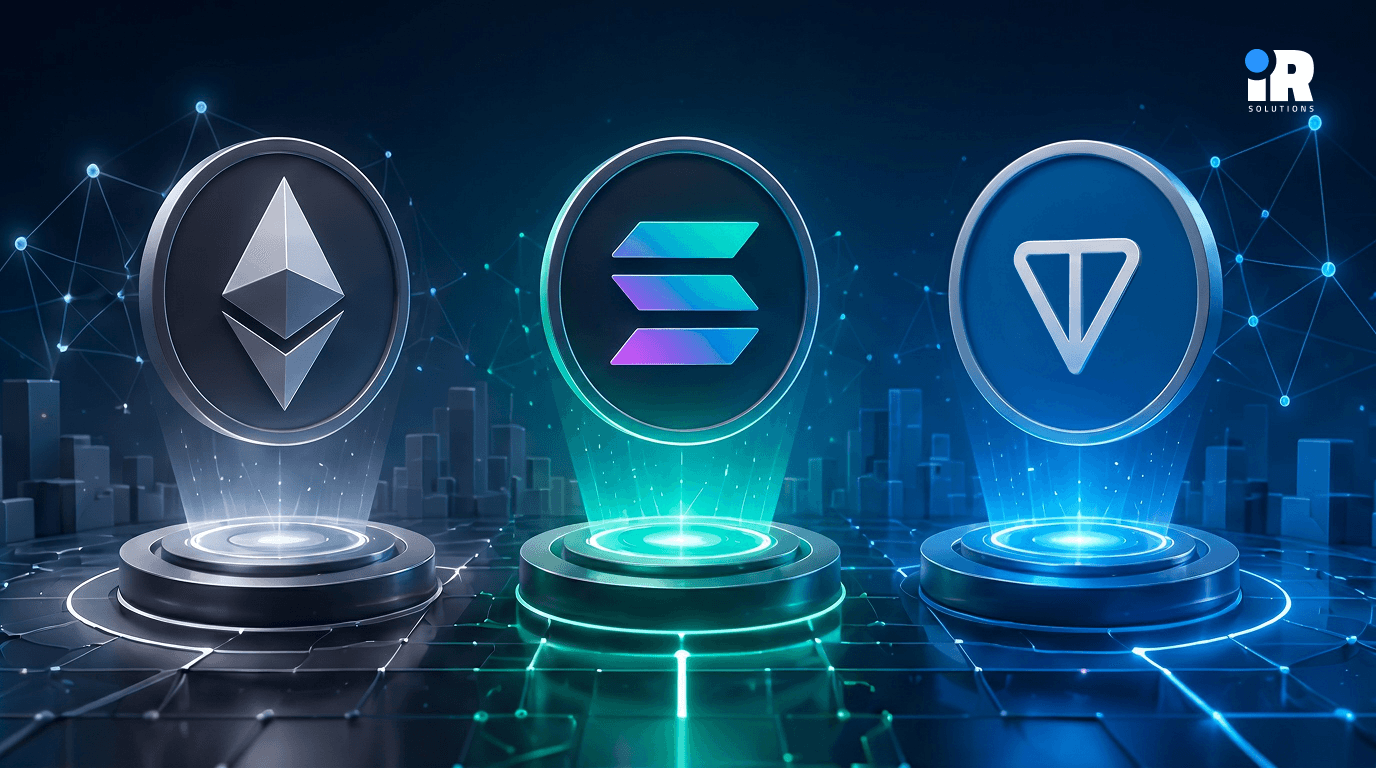
The blockchain developer market is highly scattered, unlike traditional web development, where skills are fairly uniform across most projects. Each blockchain network, Ethereum, Solana, TON, or Hyperledger, has its own language, tools, and architecture, making cross-platform expertise rare and often mismatched during hiring.
Assessing real-world experience is another major challenge, since many developers claim blockchain expertise but lack hands-on exposure to mainnet deployments, security audits, and managing live user funds in production environments.
The term “blockchain developer” also covers very different roles, from smart contract engineers to protocol and infrastructure specialists. Without clearly defining the exact technical need, businesses often spend weeks interviewing the wrong candidates and lose valuable development time. This is where companies need to hire blockchain developer professionals with proven production-level experience instead of relying on general software hiring standards.
Why Is Hiring Blockchain Developers So Different From Other Technical Roles?
Most engineering hires follow a pattern that hiring managers understand intuitively. A company needs a backend developer, posts the role, screens for experience in the relevant stack, runs a coding challenge, and makes an offer. The process is imperfect, but the evaluation criteria are well-established, and most hiring managers can assess a candidate's capabilities with reasonable confidence.
Blockchain development does not follow that pattern, the skills required span cryptography, distributed systems, economic mechanism design, smart contract security, and blockchain-specific programming languages that most software engineers have never worked with in a production environment. A candidate who is an excellent Python developer with no blockchain experience is not a blockchain developer with a learning curve. They are a career change away from the role you need to fill.
The talent pool reflects that reality, there are significantly fewer production-experienced blockchain developers in the global market than there are candidates who claim blockchain experience on a CV based on a few side projects, a Solidity tutorial, or participation in a hackathon that never produced anything that went live.
Read next: Blockchain Development Guide 2026: Use Cases, Costs, Technologies & How to Get Started for a deeper understanding of how blockchain projects are built from the ground up.
Advanced Capabilities That Differentiate Exceptional Developers
- Protocol understanding: Experience reading and understanding blockchain protocol documentation, EIPs, and upgrade proposals signals a developer who stays current with how the networks they build on are evolving rather than working from a fixed knowledge base that goes stale quickly.
- Token standards: Deep familiarity with token standards, including ERC-20, ERC-721, ERC-1155, and ERC-1400 for regulated securities, is required for most DeFi, NFT, and real-world asset tokenization projects currently being built across different sectors.
- Cross-chain experience: As multi-chain architectures become more common, experience with bridge protocols, cross-chain messaging, and layer 2 deployment is increasingly a differentiator between developers who can build for the current market and those whose experience is limited to a single network environment.
Junior vs. Senior: What Your Project Actually Needs
This decision is where most blockchain budgets get misallocated, and the consequences of getting it wrong are difficult to undo without significant time and rework costs.
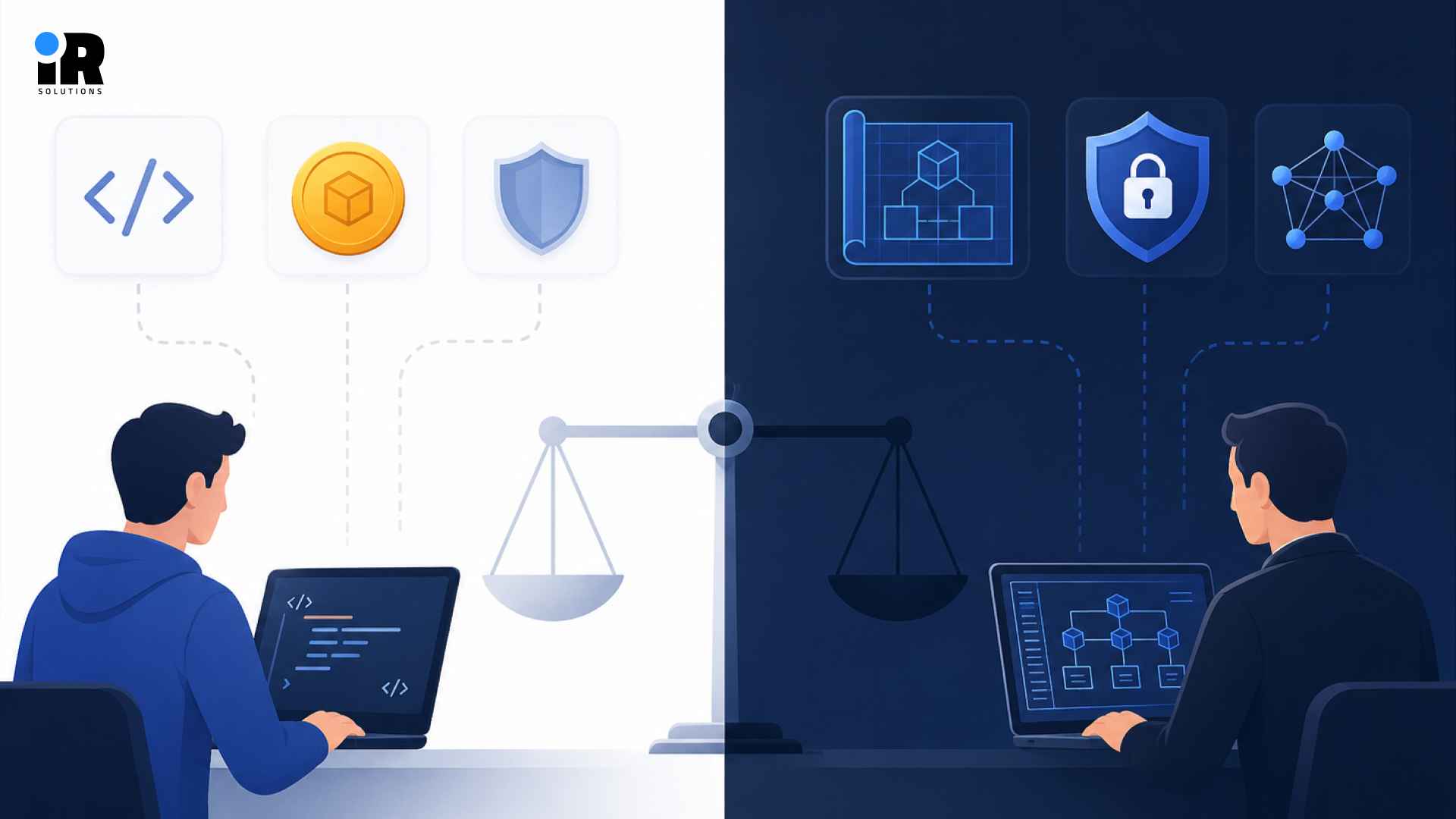
Junior developers handle clearly scoped tasks such as standard token deployments, integration of audited open-source libraries, building frontend connections to existing contracts, and DApp work under active supervision. They are the right fit when the blockchain component is contained, and mistakes are limited and recoverable before production.
Senior developers work differently and deliver value that does not always appear in a code review. They design architecture, identify risk early, and work closely with security auditors before deployment reaches production. Their decisions around token mechanics, contract upgradeability, and on-chain state management shape long-term system safety and scalability.
The real deciding factor is not code complexity, but what a failure would cost the business. Junior developers are suitable for low-risk use cases like simple NFT minting, but become a serious liability in lending protocols, cross-chain bridges, or any system managing real user funds. Senior developers also prevent costly design mistakes early, where their impact is often seen in what never breaks later in production.
What Blockchain Hiring Actually Costs Businesses
Blockchain hiring cost is driven by platform specialization, verified production experience, and the engagement model used. Developers with strong Solidity or Rust expertise and proven mainnet deployments command higher rates, while generalists are cheaper but carry higher execution risk. Location also impacts cost, with North America and Western Europe typically higher than regions like South Asia, Eastern Europe, and Latin America, although remote work has reduced the gap significantly.
 The engagement model reshapes the cost math considerably:
- Freelance: Best for scoped, deliverable-based tasks, a contract audit, a specific deployment, or an isolated feature build. Risk increases when there's no continuity to understand the broader codebase and how different components interact.
- Full-Time: Appropriate for products with sustained, long-term development needs. Onboarding ramp-up, employment overhead, and the productivity lag in early months make this the most expensive model to initiate from scratch.
- Staff Augmentation: Let businesses embed verified developers into their existing team workflow without taking on full-time employment overhead. Flexibility to scale up or down stays intact as the product moves through different development phases.
- Dedicated Team: A structured delivery team from a development partner is practical when businesses lack the internal blockchain expertise to independently manage technical hiring quality, architectural direction, and delivery accountability across a full project.
Sourcing through an offshore specialized partner typically reduces costs by 40 to 60 percent relative to equivalent in-house hiring, without requiring a compromise on technical quality when the vetting process behind the partner is rigorous and independently verifiable.
Why You Should Hire Blockchain Developer for DeFi Startup Today and Why Early Hiring Decisions Shape Protocol Strength and Reliability.
Evaluate Blockchain Candidates the Right Way Before Hiring
The technical screening stage is the most important part of the hiring process, and most businesses either under-prepare for it or delegate it to someone who lacks the blockchain domain knowledge to evaluate answers accurately.
- Ask for deployed contracts on mainnet as proof of production experience not just GitHub repositories or testnet demos that carried no real financial or reputational risk during development.
- Have someone with real blockchain development experience run the technical assessment, not a general engineering manager who can only evaluate communication style and surface-level confidence in explanations.
- Assign a paid technical task that mirrors the actual work of a vesting contract deployment, a specific token mechanic implementation, or extending an existing DeFi component with defined and testable requirements.
- Evaluate how candidates articulate architectural tradeoffs, not just whether they can produce working code. Clear reasoning about decisions is a significant risk-reduction signal on any blockchain project.
- Ask specifically about their history working with security auditors, whether they've had contracts flagged or revised based on audit findings, and what that revision process required them to understand and change.
- Look at how candidates discuss production incidents or deployment failures, not to penalize past mistakes, but because experience navigating failure builds the production judgment that no amount of coursework can replicate independently.
This stage is where businesses without internal blockchain expertise make the most avoidable errors. Screening thoroughly, even at the cost of extra time, consistently pays off compared to the cost of replacing a wrong hire mid-project.
Blockchain Hiring Red Flags Every Business Should Spot
Some of these warning signs are subtle enough to miss in a standard interview process, but each is a genuine signal worth acting on before any commitment is made.
- Candidates who discuss gas optimization or smart contract security only in vague generalities have likely never shipped a contract that faced real production pressure and the consequences that come with it.
- Developers who quote tight delivery timelines before reviewing the full technical scope are either overconfident about the complexity involved or not being fully transparent about what they haven't yet encountered.
- A portfolio that shows only testnet projects or academic exercises with no verifiable mainnet history carries significantly more execution risk than the resume suggests, regardless of how well the candidate presents during interviews.
- Watch for candidates who speak fluently about only one blockchain ecosystem without any awareness of the broader landscape, as it often signals shallow domain knowledge rather than focused and deployable specialization.
- Developers who resist third-party audits or external code review on any grounds are a liability in blockchain, where independent review is a standard and expected part of responsible production deployment at every level.
- Be cautious with anyone who treats blockchain security as equivalent to general secure coding practices, as this misunderstanding has been the direct, documented cause of more than a few high-profile production exploits and significant fund losses.
Book a call and discuss your requirements with someone experienced in building at scale in this domain.
Conclusion
Hiring the right blockchain developer rewards specificity, not speed; it demands clarity about the chain, the use case, the experience level the project genuinely needs, and the engagement model that fits the product's current stage. Businesses that get this right ship faster and avoid the costly rework cycles that follow underqualified hires. Those who rush tend to pay for it in ways harder to unwind than the original decision. Vetting candidates rigorously, choosing the engagement model deliberately, and partnering with a team that has already handled the hardest part of technical screening keeps projects on track from day one. IR Solutions offers end-to-end blockchain development and staff augmentation services built for businesses that need verified engineers without prolonged hiring delays.
Frequently Asked Questions
What technical skills matter most when hiring a blockchain developer?
Mainnet deployment history, security pattern knowledge, and ecosystem-specific tooling experience matter far more than certifications or course completion records.
Is there a real difference between a core and a DApp blockchain developer?
Core developers work on the blockchain protocol layer itself, while DApp developers build decentralized applications running on top of existing, deployed chains.
Which blockchain ecosystem should a developer specialize in for our product?
Ethereum suits most DeFi and NFT products; Solana handles high-throughput applications; Hyperledger fits permissioned enterprise deployments where public chain access isn't appropriate.
What engagement model works best for an early-stage blockchain product?
Staff augmentation gives early-stage businesses the best balance of speed, verified technical quality, and cost efficiency without the overhead of a full-time hire.
How do we confirm a candidate is actually production-ready before committing?
Request mainnet deployment history, assign a paid, scoped technical task, and have someone with real blockchain experience assess the output quality directly and independently.