


Key Takeaways
- The global blockchain market could reach $1.43 trillion by 2030, driven by rapid enterprise adoption.
- Blockchain projects typically cost $8,000 to $300,000+, depending on complexity, features, and security requirements.
- Choose blockchain platforms based on scalability, transaction costs, performance, and business requirements.
- Prioritize smart contract audits to prevent vulnerabilities before launching production blockchain applications.
- Successful blockchain projects require planning, integrations, testing, deployment, and ongoing maintenance.
- Finance, healthcare, supply chain, and real estate benefit most from blockchain adoption.
Blockchain development has entered a far more practical and results-driven phase in 2026 than ever before. The conversation is no longer about whether blockchain will survive because that question has already been answered. Banks settle tokenized assets around the clock, governments maintain public records on distributed ledgers, and consumer applications quietly rely on blockchain infrastructure behind familiar user experiences. The real challenge today is understanding how to build a blockchain product that solves a genuine business problem, reaches production, and continues performing reliably long after launch.
Building a successful blockchain solution requires much more than selecting a popular network or deploying a smart contract. Every project depends on making informed decisions about architecture, platform selection, security, compliance, scalability, integrations, and user experience from the beginning. In the following sections, you'll learn how to evaluate whether blockchain fits your idea, compare leading platforms, understand the complete development process, estimate project costs, and prepare for a successful launch.
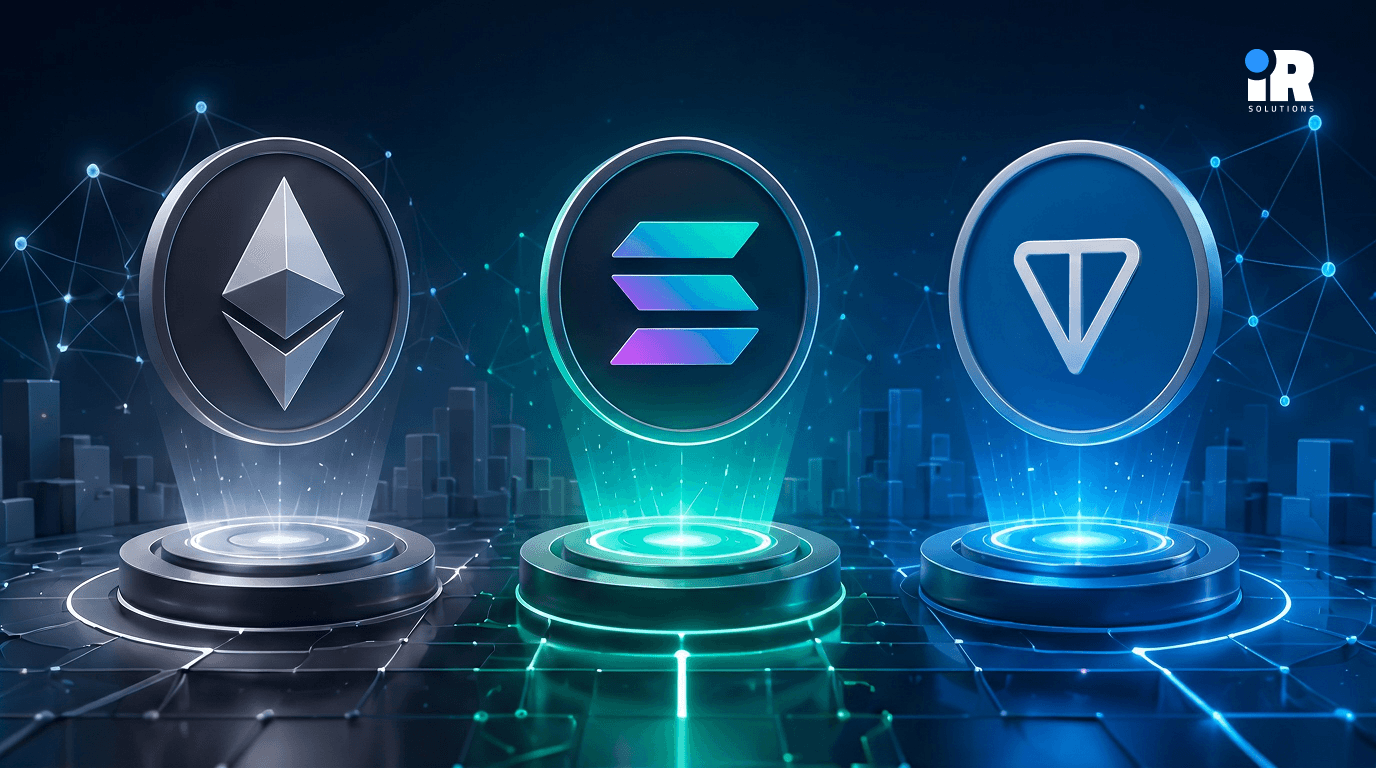
We've shipped production blockchain products across Ethereum, Solana, TON, Polygon, BNB Smart Chain, and enterprise permissioned networks, giving us practical experience with different architectures, industries, and deployment challenges. The insights throughout this article are based on those real-world implementations rather than theoretical concepts or industry speculation.
The market opportunity continues to expand as well. According to the World Economic Forum, the global blockchain market size is expected to reach USD 1.43 trillion by 2030, growing at a compound annual growth rate (CAGR) of 85.9%. You can read the full report on the World Economic Forum website. Whether you are a founder, enterprise decision maker, or product manager, you will leave with a clearer understanding of how to plan, build, and launch a blockchain product that is designed for long-term success.
What Is Blockchain Development
Blockchain development is the process of building software, applications, and digital systems that run on a blockchain network. It involves creating secure, transparent, and decentralized solutions where data is stored across multiple computers instead of a single central server. Developers use blockchain technology to build applications that record transactions, manage digital assets, automate agreements, and share information without relying on a central authority. Businesses often partner with providers offering custom blockchain development services to build secure, scalable, and business-focused blockchain applications.
Blockchain development helps businesses create systems where records are secure, traceable, and difficult to alter. It powers applications such as cryptocurrency platforms, smart contracts, digital identity systems, supply chain tracking, NFT marketplaces, and payment solutions. By storing data across a distributed network, blockchain improves transparency, reduces fraud, automates processes, and allows participants to exchange information and assets with greater trust.
Blockchain Application vs. Traditional Application
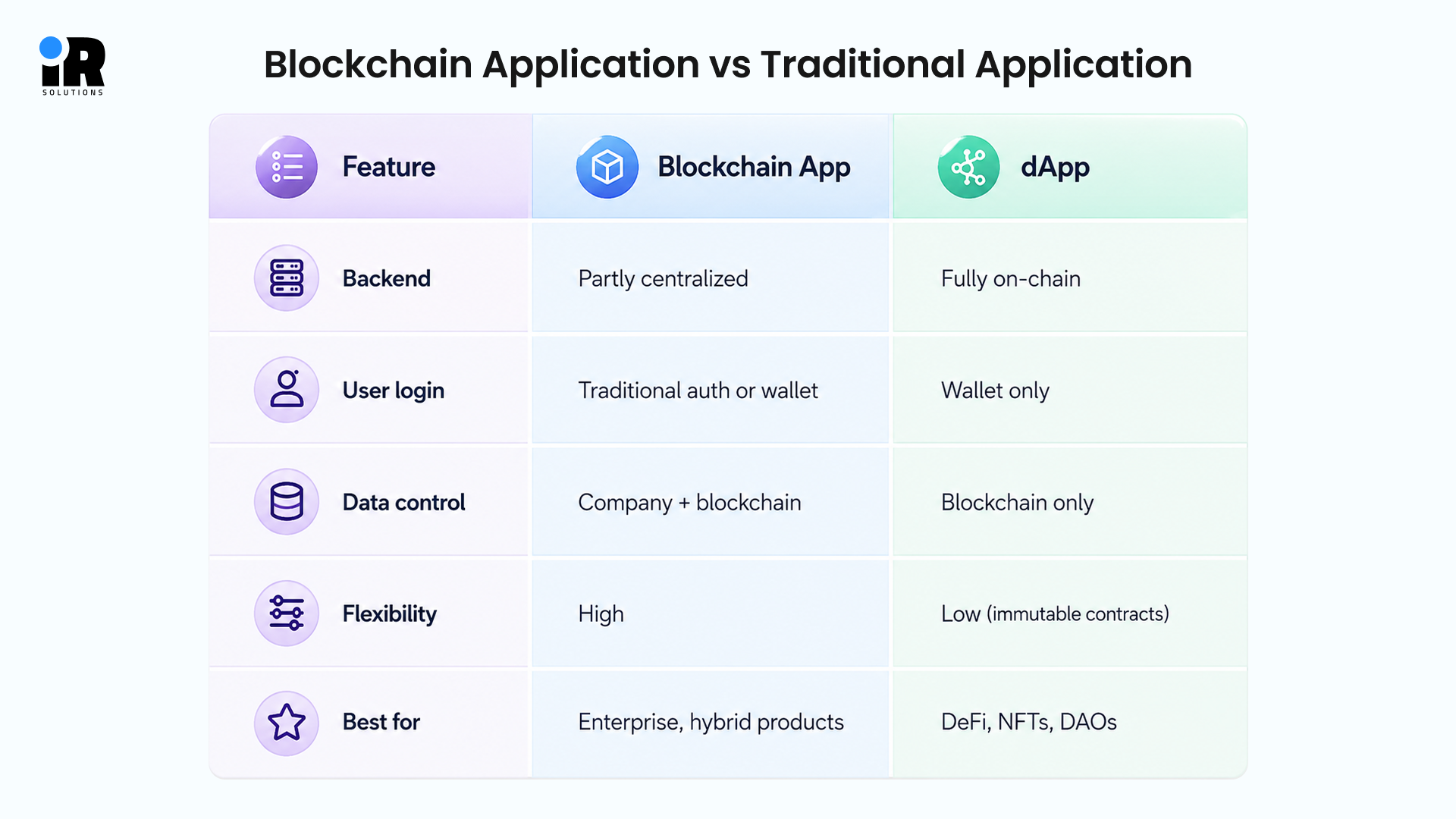
A blockchain application uses the blockchain for specific parts of its product, maybe just for payments or record-keeping, while the rest runs on normal servers like any other app.
A dApp (decentralized application) is built entirely around decentralization. There's no company running a backend server in the middle. The logic lives in smart contracts, the data lives on-chain, and users interact with it directly through their wallets.
A blockchain app is like a regular app that uses blockchain as one of its tools. A dApp has no company running it at all it's just code on the chain that anyone can use, anytime, without asking permission.
Why Businesses are Investing in Blockchain Development
Businesses today want systems they can trust, verify, and own outright, not systems that depend on a third party doing their job correctly. Blockchain enables secure, transparent, and tamper-resistant transactions. It removes the middlemen that slow deals down, keeps records in a state that nobody can quietly alter, and lets money or data move across borders without waiting on a bank or a platform to approve it.
That shift in control is exactly why serious companies are investing real budget in blockchain development right now, not as an experiment but as core infrastructure.
Programmable Trust
Every business transaction depends on trust and verification. You hire lawyers, bring in banks, and pay brokers just to make sure both sides follow through on a deal. Smart contracts cut all of that out. They run automatically once the agreed conditions are met, no middleman needed, no approval delays, no extra fees.
Businesses use them for supplier payments, licensing deals, and loan disbursements where speed and accuracy matter. Both parties know exactly what happens and when, which removes most of the back-and-forth that slows things down.
Auditability and provenance
When a product gets recalled, or a payment goes missing, the first question is always: where did it go wrong? Finding that answer through scattered records and endless email threads wastes valuable time. Blockchain keeps a permanent, chronological record of every transaction, and once it's written, it cannot be changed or deleted.
With every transaction permanently recorded, businesses can quickly verify what happened whenever questions arise. Audits become faster, compliance becomes simpler, and disputes are resolved with clear, verifiable evidence instead of incomplete records.
User-Owned Assets
Most platforms keep digital assets under their own control, meaning users can lose access if a company changes its policies or shuts down. Blockchain lets people hold assets directly in their own wallet, without relying on a platform to control what they own or when they can access it.
For businesses, this creates stronger customer trust by offering genuine ownership instead of temporary access. Companies that adopt this model can stand out by giving users more control over their digital assets while reducing dependence on centralized platforms.
24/7 global settlement
Cross-border payments through traditional banks still take days and come with fees that quietly reduce profits on every transaction. Unlike traditional banking systems, blockchain operates around the clock, allowing payments to be processed at any time, regardless of weekends, public holidays, or time zones.
For businesses with suppliers or customers in multiple countries, that speed has a direct impact on cash flow. Stick with legacy payment systems, and you're accepting delays and costs that your competitors using blockchain simply don't have.
Resilience by design
A centralized server can fail, and when it does, everything stops. One outage or breach can take your entire system offline. Blockchain works differently as it spreads data across thousands of nodes around the world. If one node goes down, the rest keep running without any interruption. There is no single weak point that brings the whole thing down.
For businesses in payments, healthcare, or logistics, downtime costs real money. Every minute offline means missed transactions, frustrated customers, and damaged trust. Building on blockchain means your system stays live even when something goes wrong. That kind of reliability is hard to get from traditional centralized infrastructure.
Blockchain has become a practical solution for modern businesses. The companies building on it today are solving real problems around trust, ownership, speed, and reliability. Businesses that invest in blockchain today are building systems that are more secure, transparent, and ready for the future.
What Are the Different Types of Blockchain Applications?
Wallets (Custodial vs. Non-Custodial)
A wallet is how users hold, send, and receive their blockchain assets. The custody question who controls the private keys shapes the entire product experience before you write a single line of code.
- Custodial wallets manage keys for the user, making onboarding easy but trust-dependent.
- Non-custodial wallets give users full key control, more secure, but more friction at sign-up.
- Hot wallets connect to the internet for daily use cold wallets stay offline for long-term storage.
Crypto Exchanges
Exchanges are where most people first interact with blockchain, buying, selling, and trading digital assets. Three models exist, and each carries different regulatory, custody, and engineering requirements.
- CEXs are fast and familiar, but users trust the platform to hold their funds.
- DEXs run on smart contracts so users never hand over custody of their assets.
- P2P exchanges connect buyers and sellers directly, often using escrow for protection.
DeFi Platforms
Decentralized finance rebuilds banking services lending, borrowing, yield, trading using smart contracts instead of banks. No account, no approval, no middleman required.
- Lending protocols like Aave let users earn interest or borrow against crypto collateral.
- AMMs like Uniswap run token swaps automatically, with no order book or human matching.
- DeFi lost over $2 billion to exploits in 2023 alone, making security a non-negotiable from day one.
NFT Marketplaces
NFT marketplaces let users mint, buy, sell, and trade unique on-chain assets. The retail speculation phase is over what's growing now is utility access passes, IP ownership, and event ticketing.
- Blockchain tickets can't be counterfeited and automatically enforce resale royalties.
- Gaming items, memberships, and credentials are now stronger NFT use cases than digital art.
- Secondary market royalties enforce themselves via smart contracts, with no platform needed.
RWA Tokenization Platforms
Real-world asset tokenization puts fractional ownership of physical or financial assets real estate, private credit, commodities on a blockchain. It's the fastest-growing institutional vertical in blockchain right now.
- BlackRock's BUIDL fund crossed $500 million in tokenized assets, validating the model at scale.
- Investors can buy a fraction of a property or bond, and trade it without waiting for a full sale.
- Building here requires legal wrappers, compliance flows, and investor dashboards alongside the contracts.
Businesses often rely on specialized RWA tokenization services to manage both the technical and compliance requirements of these projects
Blockchain Games and Telegram Mini Apps
On-chain games give players real ownership of in-game assets, items, characters, and land that live in their wallet, not on a game company's server. Telegram Mini Apps take this further by plugging into a 900 million-user distribution channel most builders ignore.
- Play-to-earn corrected hard, but verifiable asset ownership in genuinely fun games still holds promise.
- TON-based Telegram Mini Apps reach users already inside the app, no wallet download needed.
- Almost no development agency has real production depth in TON it's a genuine gap in the market.
Which Blockchain Platform Should You Build On?
Choosing the right blockchain platform is one of the biggest decisions you'll make during development. It influences everything from development costs and transaction fees to user experience, scalability, and compliance requirements. Many businesses choose a platform based on popularity, but the best option depends on your specific goals. The right choice comes down to what you're building, who will use it, how many transactions you expect to handle, and the features your application needs.
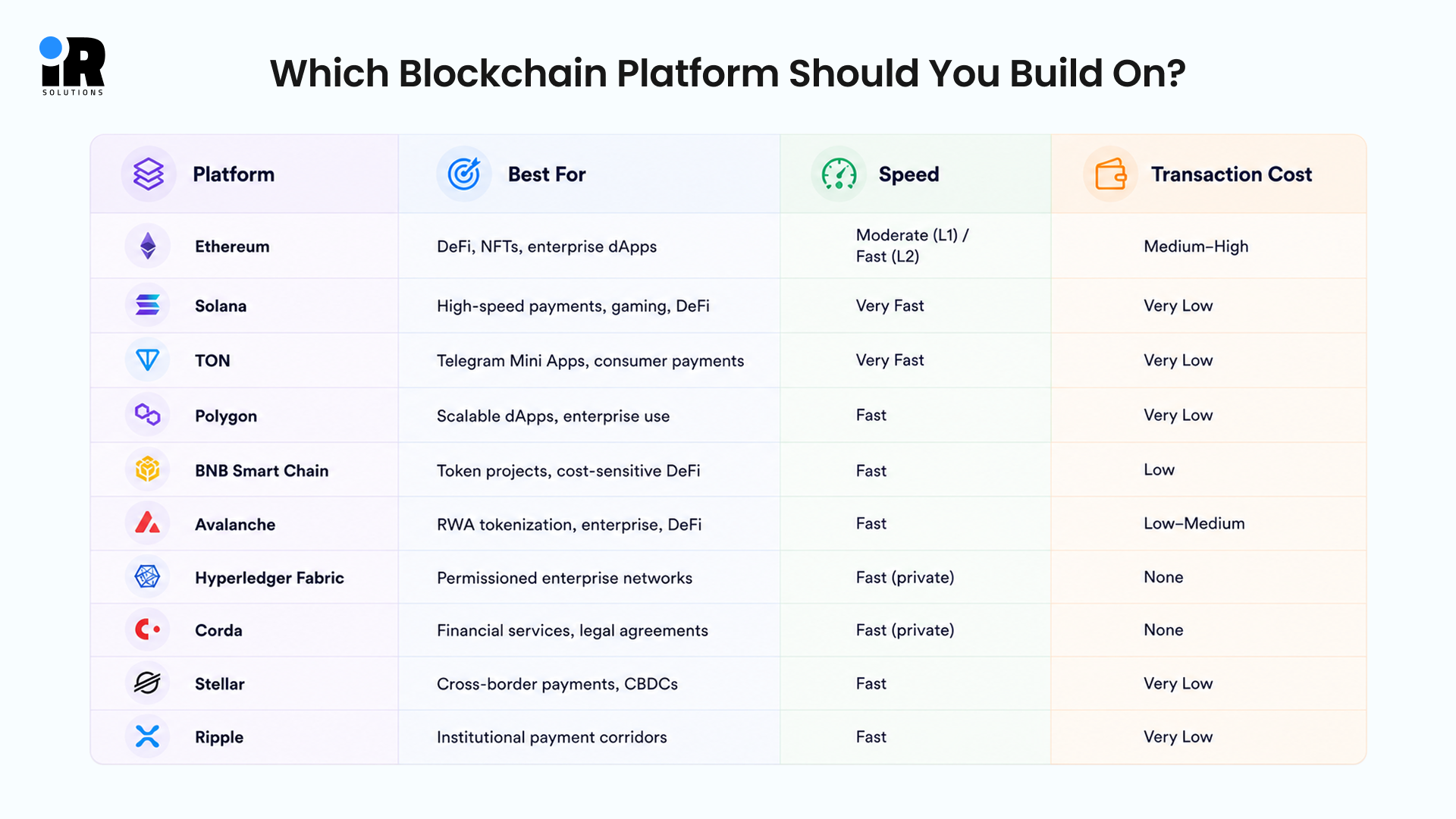
No platform is universally better than the others. Each one was built to solve a specific set of problems. Pick the one that matches your use case, your users, and your budget not the one with the most name recognition. If you're not sure, that's what the next section is for.
Which Industries Benefit the Most from Blockchain Development?
Blockchain works best in industries where different parties need to share trusted data or verify transactions without a middleman. Below are some sectors already putting blockchain to work for better efficiency, transparency, and security.
Finance and Banking
Banks are using blockchain to cut down payment delays and make transactions easier to track. It also speeds up KYC and AML checks while keeping customer data secure.
As more institutions adopt tokenized assets, blockchain is becoming a core part of modern banking infrastructure rather than just an experiment.
Retail and eCommerce
Retailers rely on blockchain to confirm product authenticity and gain better visibility across their supply chains. It also powers loyalty programs that keep customers coming back.
Shoppers increasingly expect transparency about where products come from, and blockchain gives brands a credible way to prove it.
Healthcare
Hospitals and clinics use blockchain to manage patient records more securely and verify staff credentials faster. It also helps track pharmaceuticals to stop counterfeit drugs from entering the supply chain.
With patient data spread across so many systems, blockchain offers a reliable way to keep records accurate and accessible.
Supply Chain and Logistics
Blockchain gives logistics companies a clear view of goods moving between suppliers, distributors, and carriers. This makes it easier to catch delays early and hold every party accountable.
For businesses managing complex networks of partners, this added visibility often means fewer disputes and faster resolutions.
Real Estate
Property tokenization and digital ownership records are making real estate deals faster and more transparent. Buyers and sellers can now complete transactions with far less paperwork and friction.
This shift is especially valuable for cross-border investors who want secure, verifiable ownership without relying on lengthy legal processes.
Government and Public Sector
Governments are turning to blockchain for digital identity systems and tamper-proof land registries. This reduces fraud and helps agencies offer safer, more reliable digital services to citizens.
Blockchain adoption continues to expand because businesses are solving real operational challenges.
The way blockchain is used in finance differs significantly from healthcare, logistics, real estate, and the public sector.
To see how these applications work in practice, read Top Blockchain Use Cases Across Industries: Real World Applications in 2026.
What Challenges Can Affect a Blockchain Project?
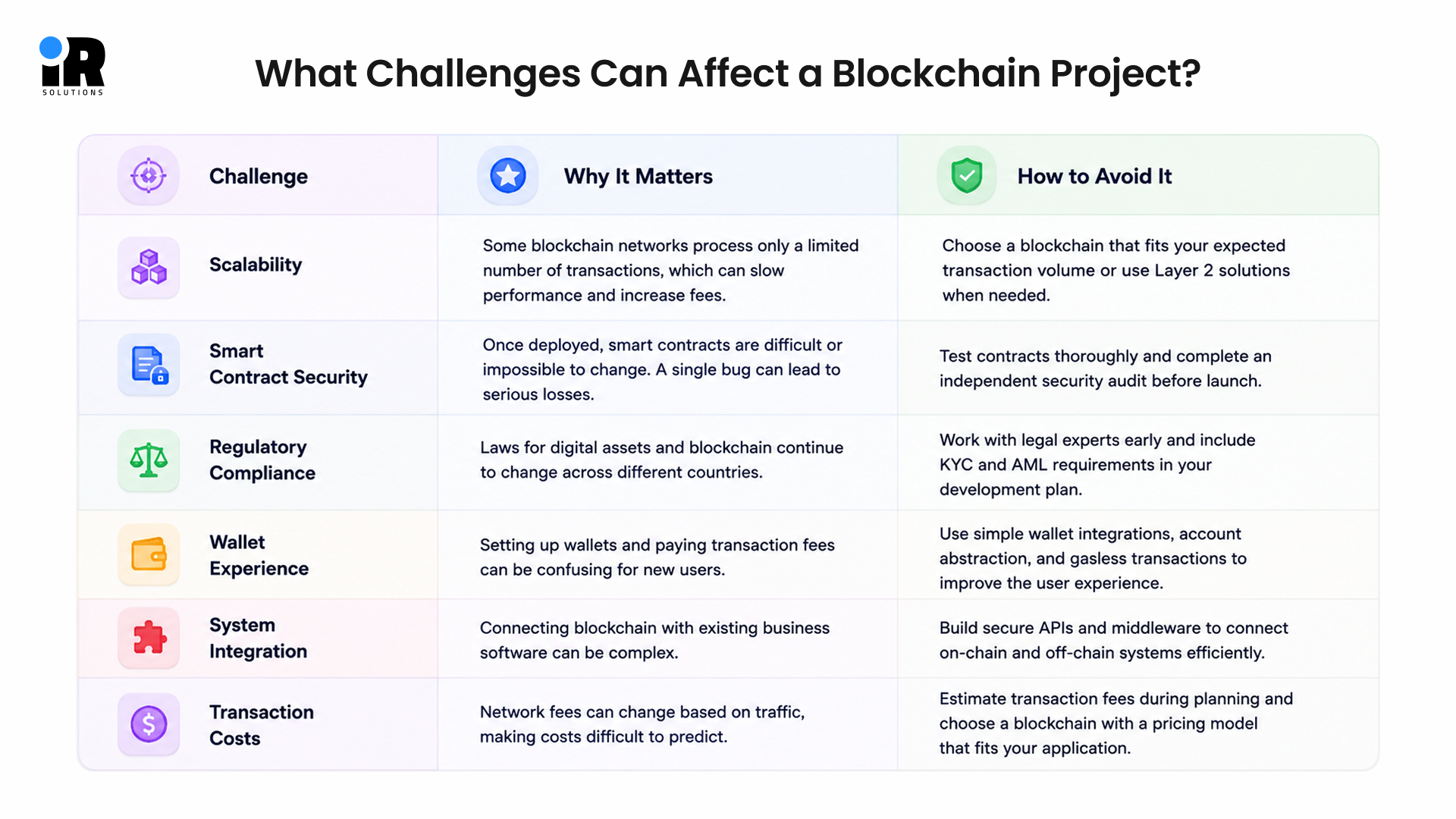
Blockchain offers many benefits, but it also comes with challenges that need careful planning. Most problems happen because businesses overlook important technical, security, or compliance requirements during development. Knowing these challenges early helps you build a more secure, scalable, and reliable blockchain application.
How Does the Blockchain Development Process Work?
Building a blockchain application involves more than writing smart contracts. Every stage, from planning to deployment, plays a role in creating a secure, scalable, and reliable product. Following a structured development process helps reduce risks, control costs, and avoid problems later in the project.
Project Discovery
Every project starts by identifying the business problem and deciding whether blockchain is the right solution. This stage defines project goals, technical requirements, and overall feasibility. Many businesses choose to hire blockchain developers during this stage to validate technical requirements, select the right architecture, and reduce development risks before the project begins.
If you're evaluating different hiring options, our guide on How to Hire Blockchain Developers: Skills, Cost & Hiring Models Explained breaks down the skills to look for, hiring models, and typical costs before you build your team.
Platform Selection
The next step is choosing the right blockchain based on your goals, budget, performance needs, and compliance requirements. The platform you select affects development costs, scalability, and user experience.
Token Design
If your project includes a token, its supply, utility, distribution, and governance should be planned before development begins. A well-designed token model supports long-term growth and user adoption.
UX UI Design
A simple and intuitive interface makes blockchain applications easier to use. Clear onboarding, wallet integration, and transaction flows help improve the overall user experience.
Smart Contracts
Smart contracts automate business logic and power blockchain applications. They should be written securely, tested thoroughly, and audited before deployment. Many businesses choose to hire smart contract developers to build and review production-ready contracts.
For businesses weighing in-house development against outsourcing, How Outsourcing Smart Contract Development Drives Business Growth explains how outsourcing can reduce costs, accelerate delivery, and provide access to specialized blockchain expertise.
Backend Integration
Most blockchain applications also need backend services for user accounts, data storage, APIs, and third-party integrations. This layer connects on-chain and off-chain systems.
Testing and Audit
Before launch, the application is tested for functionality, security, and performance. Security audits and testnet deployments help identify issues before they reach production.
Mainnet Launch
After successful testing, the application is deployed to the main network. Ongoing monitoring, maintenance, and updates help keep the platform secure and running smoothly.
What Tech Stack Does a Blockchain Project Need?
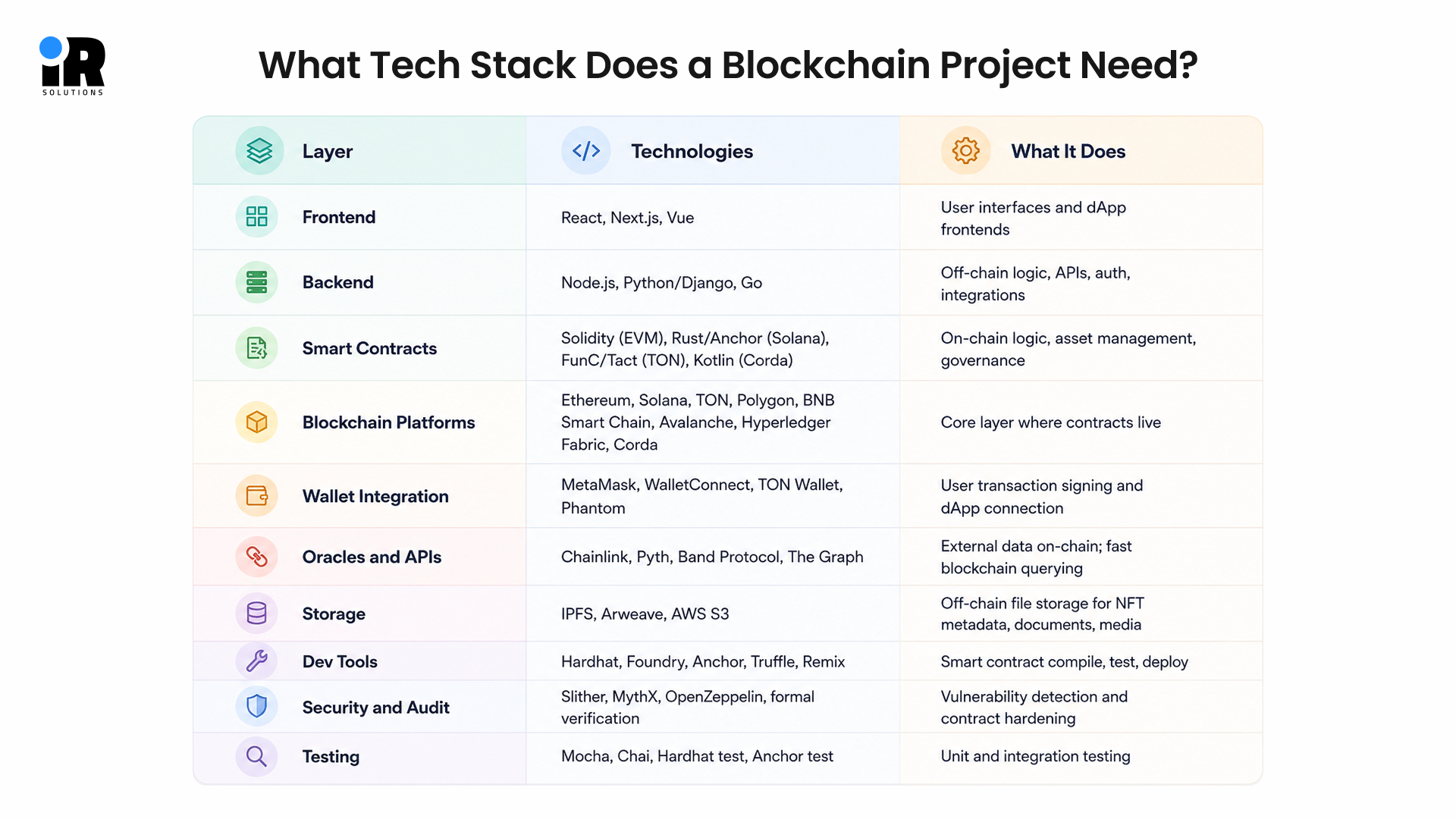
There's no single answer the right stack depends entirely on which chain you're building on and what your users will actually interact with. A DeFi protocol on Ethereum looks nothing like a Telegram Mini App on TON. That said, most blockchain projects share the same core layers, even if the specific tools inside each layer differ.
Here's how a typical stack breaks down, layer by layer.
How Much Does Blockchain Development Cost in 2026?
Blockchain projects come in many forms, from simple token tools to enterprise platforms. Each project has different development requirements, so costs and timelines vary based on the scope, features, and level of complexity involved. The estimates below provide a general pricing range for some of the most common blockchain applications.
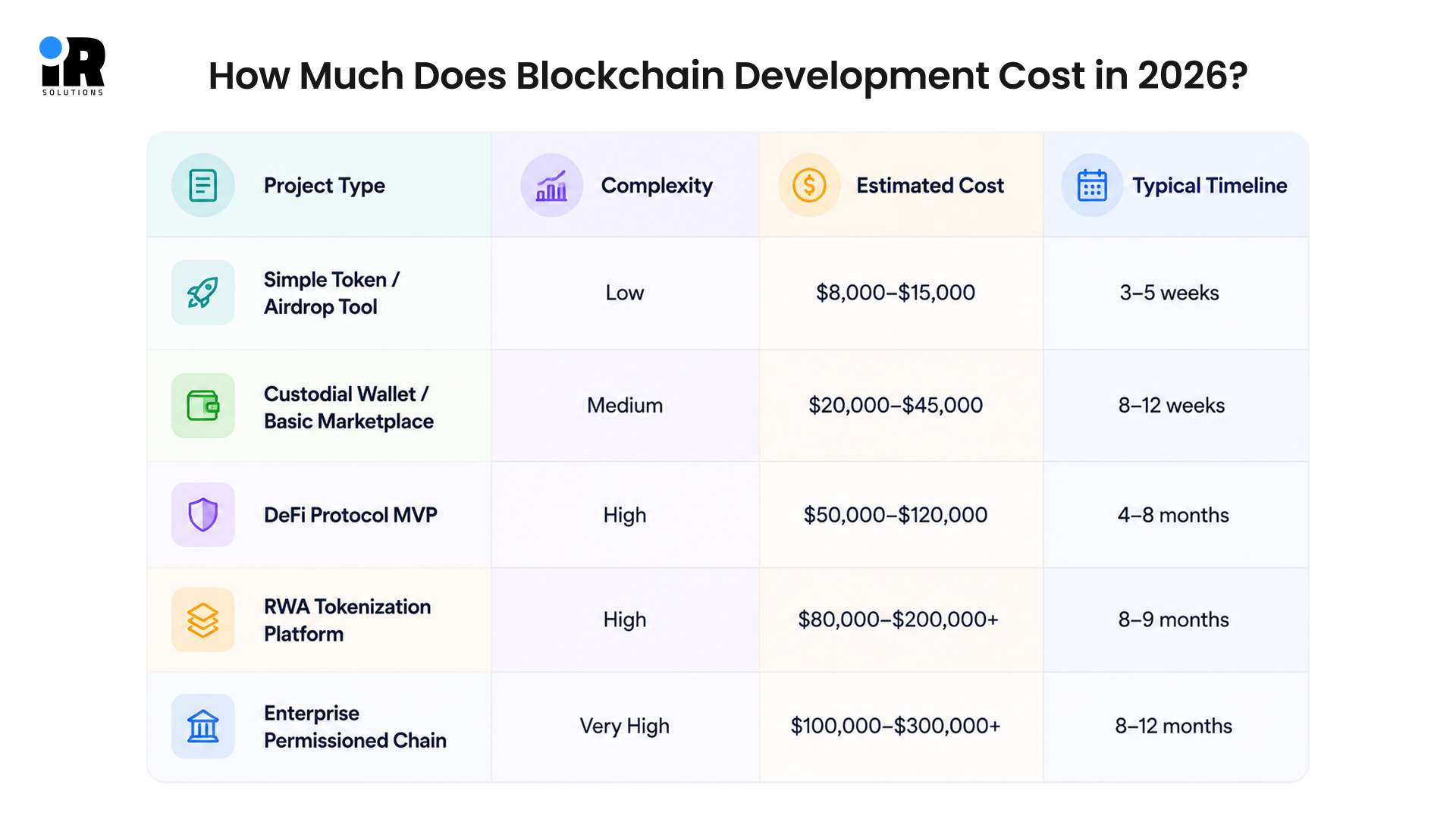
Estimating the cost of a blockchain project is only one part of making the right investment.
The final budget is shaped by factors like platform selection, smart contract complexity, integrations, security requirements, and the overall scope of the application.
For a deeper look at these pricing factors, see our How Much Does Blockchain App Development Cost in 2026? Complete Pricing Guide.
Why Work with IR Solutions for Your Blockchain Project?
Choosing the right blockchain development partner is just as important as choosing the right technology. A successful project needs more than developers who can write code. It needs a team that understands different blockchain networks, security, business goals, and long-term scalability. At IR Solutions, we focus on building blockchain solutions that solve real business problems and support future growth.
Multi-Chain Expertise
Every blockchain platform has its own strengths. Our team has experience building solutions on Ethereum, Solana, TON, Polygon, and BNB Smart Chain. Whether you're launching a DeFi platform, NFT marketplace, enterprise application, or Telegram-based product, we help you choose the right technology for your goals. You can also hire Ethereum developers, hire Solana developers, or hire TON blockchain developers from our specialized teams for projects that require platform-specific expertise.
Specialized in RWA Tokenization
Real-world asset tokenization is one of our core areas of expertise. We build secure solutions that help businesses tokenize assets such as real estate, commodities, investment funds, and other valuable assets. From smart contract development to compliance-focused architecture, we help businesses bring real-world assets onto the blockchain with confidence.
Telegram Mini App Development
Very few blockchain development companies specialize in Telegram Mini Apps. Our team builds blockchain-powered Mini Apps that work directly inside Telegram, making it easier for businesses to reach millions of users without asking them to install another application. This makes us a strong choice for businesses looking to build products around the growing Telegram ecosystem.
Security First Development
Security is built into every stage of our development process. Every smart contract goes through detailed internal code reviews before deployment, with the option for independent third-party security audits when required. This helps reduce risks and gives businesses greater confidence before launching their blockchain application.
Global Delivery Team
Our delivery teams are located across Pakistan, the United States, the United Arab Emirates, and Türkiye. This allows us to work across multiple time zones, provide faster communication, and support clients in different regions without unnecessary delays. Whether you're a startup or an enterprise, our distributed team helps keep your project moving forward.
If you're planning a blockchain project and want to discuss your requirements, contact our team or schedule a consultation through our Calendly page to get started
Conclusion
Blockchain is no longer just a trend that businesses talk about but never actually use. Companies across finance, healthcare, retail, and real estate are already building on it today. They are cutting costs, speeding up payments, and creating systems that people can genuinely trust. The results are real, and the businesses seeing them started with a clear plan.
The key is to make smart decisions before you write a single line of code. Pick the right platform for your use case, your users, and your expected transaction volume. Build your smart contracts carefully and always get a proper security audit before you go live. A blockchain product that is hard to use or easy to exploit will not succeed no matter how good the idea is.
Every project is different, and the right solution depends on what problem you are trying to solve. Some businesses need a simple token tool while others need a full DeFi protocol or tokenization platform. Your budget, timeline, and compliance requirements will all shape the final product you build and launch.
Working with the right development team makes the entire process faster, safer, and more predictable from day one. At IR Solutions, we help businesses plan, build, and launch blockchain products that are built to last. Whether you are exploring your first idea or ready to start development, our team is here to help.
Frequently Asked Questions
How do I know if my business actually needs a blockchain solution?
Honestly, blockchain makes the most sense when you are dealing with data that multiple parties need to access and trust at the same time. If you are spending time and money on middlemen, chasing paper trails, or struggling to keep records that nobody can dispute, it is probably worth exploring. A quick conversation with someone who has actually built on blockchain can save you months of guesswork.
What is the difference between a blockchain app and a decentralized app?
Think of a blockchain app as a regular product that uses blockchain for one or two specific things, like processing payments or logging records, while everything else runs on normal servers. A dApp is different because the entire thing lives on-chain, no company sitting in the middle controlling anything. Which direction you go really comes down to how much control and ownership your users actually expect from the product.
How long does it typically take to build a blockchain product?
Something straightforward like a token tool or airdrop platform can usually be ready in three to five weeks if the scope is tight. Bigger builds like a DeFi protocol or a real-world asset platform are a different story and can easily run four to nine months. Your timeline really comes down to what you are building, which platform you pick, and how much testing and auditing you want done before going live.
Which blockchain platform is the best choice for my project?
There is no honest answer to this without knowing what you are building and who you are building it for. Ethereum is a solid choice for DeFi and enterprise products, Solana handles speed and gaming well, and TON is hard to beat if you are going into the Telegram ecosystem. The right platform is the one that fits your users, your transaction volume, and your budget, not the one with the biggest brand name.
Why is smart contract security so critical before a blockchain launch?
Once a smart contract is live on the blockchain, changing it is not simple, and in many cases it is not possible at all. A bug that might seem minor can be exploited quickly, and the losses that follow are usually permanent with no way to reverse them. Getting a proper audit done before launch is not an extra step, it is the step that protects everything you have built.
How much should I budget for a blockchain development project in 2026?
A basic token tool or a simple airdrop platform usually falls somewhere between $8,000 and $15,000, depending on the features involved. If you are building something more serious like a DeFi protocol or an enterprise-grade platform, you are realistically looking at $100,000 to $300,000 or beyond. The most reliable way to get a real number is to lay out your requirements with a development team and let them give you a proper estimate.
Can a new blockchain system connect with my existing business software?
Yes, and this comes up in almost every project we work on. Blockchain does not require you to rip out your existing tools like your CRM, ERP, or payment systems. Developers build APIs and middleware that sit between your on-chain logic and your existing off-chain systems, keeping everything connected without starting from scratch.