


Blockchain has moved well beyond its early reputation as just a backbone for cryptocurrency transactions. In 2026, industries from healthcare to logistics are putting it to work on real, measurable operational problems. Businesses are cutting fraud, securing sensitive data, and automating contracts in ways that were genuinely not possible just a few years ago. Custom blockchain solutions designed to meet specific business requirements and objectives.
Blockchain development services cover smart contracts, DeFi platforms, and full decentralized application ecosystems for businesses. If your company is still figuring out where blockchain fits in, this guide gives you the clearest picture available. The examples below show exactly what blockchain looks like when it is working in the real world.
Why Businesses Are Taking Blockchain Seriously in 2026
The early blockchain hype of 2017 and 2018 left most companies skeptical, and that skepticism was fair. Most projects back then never made it near production. But 2026 looks like very different development frameworks have matured, regulatory clarity has grown in the US, EU, and parts of Asia, and there are now enough real case studies that business leaders can point to when making the internal case for investment.
The businesses seeing the most benefit are the ones that picked a specific problem to solve with blockchain first. Starting with a targeted use case rather than a full-scale overhaul consistently delivers faster and more measurable results. That focused approach is exactly what separates companies that extract real value from blockchain from those still treating it as an experiment.
The Impact of Blockchain on Modern Banking and Finance
The fintech and banking sector was where blockchain had its first real-world impact, and it keeps finding new applications each year.
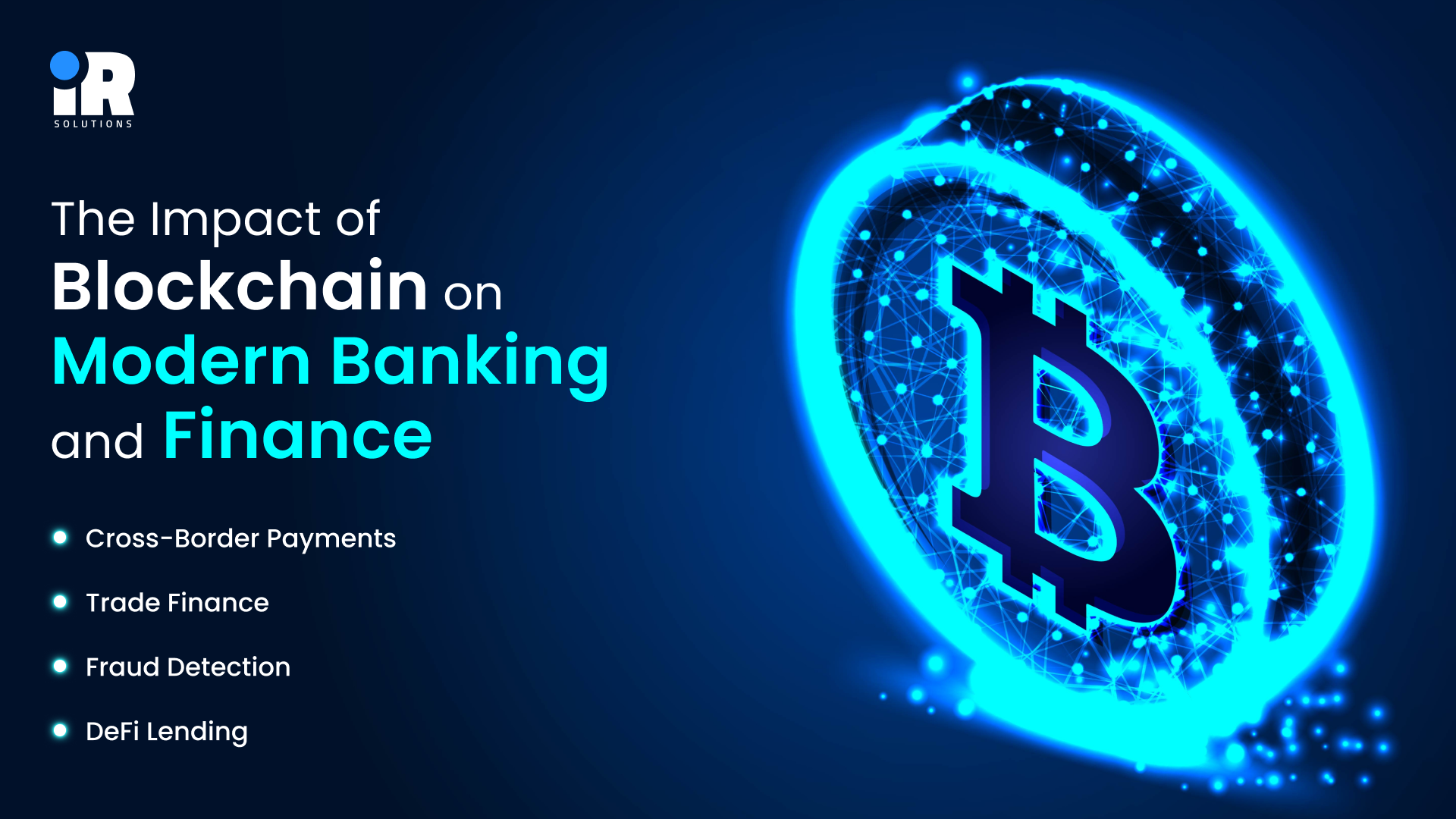
- Cross-Border Payments: Traditional wire transfers across borders take several business days and involve heavy fees from multiple intermediary banks involved in each transaction. Blockchain payment rails cut that settlement window down to a few minutes at a fraction of the conventional banking cost.
- Trade Finance: Letters of credit and trade documents remain paper-heavy in many banks, which creates significant delays and fraud exposure across every single transaction. Tokenizing trade documents on a shared ledger removes duplication and gives every involved party a single verifiable source of truth.
- Fraud Detection: Banks process millions of transactions daily, and identifying fraudulent ones in real time is a persistent and expensive technical challenge for compliance teams. An immutable transaction ledger helps auditors and compliance officers catch anomalies far faster than traditional database-based audits ever allow.
- DeFi Lending: Decentralized finance platforms let businesses access liquidity without routing everything through a traditional credit approval process every single time they need capital. Smart contracts handle collateral, disbursement, and repayment on terms that are agreed upon and locked in from the very beginning.
Before launching your next blockchain project, read Blockchain Development Guide 2026: Use Cases, Costs, Technologies & How to Get Started.
Supply Chain and Logistics - Visibility That Actually Works
Supply chains involve many parties, and the accountability gaps between them are exactly where blockchain delivers real value. Every handoff from manufacturer to warehouse to retail shelf gets logged with a timestamp and a unique identifier that cannot be altered after recording. Retailers can trace a product back to its exact origin in seconds rather than hours of manual cross-system investigation.
In food supply chains, this traceability has already helped contain contamination before it spreads across wider distribution networks. When a recall happens, the difference between tracing it in two hours versus two days directly affects how many people are impacted and how badly the brand suffers. Walmart's blockchain-based food tracing system was one of the first high-profile examples to show what this looks like on a real scale.
Beyond recalls, blockchain cuts down on inventory discrepancies that build up when multiple parties each maintain their own version of the same data. When everyone reads from the same ledger, disputes over quantities, delivery confirmations, and invoice totals become far easier to resolve. If your supply chain spans multiple vendors and regions, Supply chain and logistics solutions address the visibility gaps you almost certainly already know exist.
Want to understand blockchain’s role in modern logistics and operations? Read our blog on Blockchain in Supply Chain Management: Benefits, Use Cases & Implementation Guide.
Blockchain in Healthcare - Secure Medical Data Systems
Healthcare data is fragmented across different systems, and that fragmentation costs patients, providers, and insurers real time and money every day. Companies building healthcare solutions at scale often choose to hire blockchain developers to create secure, compliant, and tamper-proof systems for managing sensitive medical data.
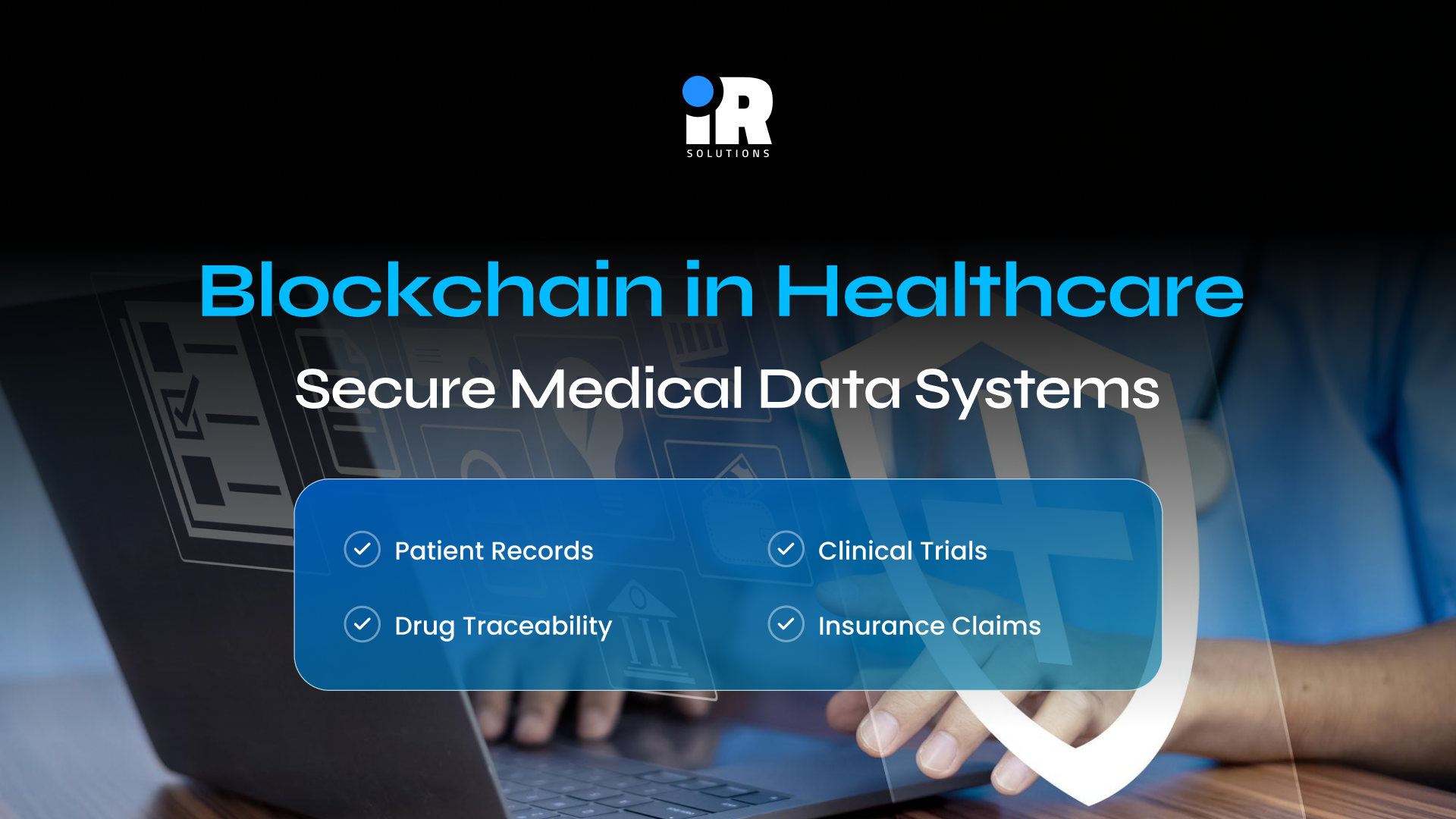
- Patient Records: Blockchain gives patients a portable, tamper-proof medical record that follows them across every provider and facility they visit over time. Providers get access to accurate clinical history without waiting for faxes or manual data transfer requests between disconnected hospital systems.
- Drug Traceability: Fake medications are a global problem that kills thousands of people annually and costs pharmaceutical companies billions in financial losses each year. A blockchain-tracked supply chain for drugs makes it nearly impossible to introduce a counterfeit batch into the network without immediate detection.
- Clinical Trials: Trial data integrity is heavily regulated in medicine, and manual recordkeeping consistently introduces errors that compliance teams end up flagging during audits. Storing trial results on a blockchain creates an auditable record that regulators, sponsors, and ethics boards can all independently verify without disputes.
- Insurance Claims: Healthcare insurance fraud most commonly comes from duplicate claims submitted across multiple providers operating on completely disconnected billing systems. Smart contracts can cross-check incoming claims against a shared ledger before any payment is processed, stopping fraudulent billing before it ever starts.
Real Estate and Property Tokenization
Real estate has always been one of the least liquid asset classes, largely because property transactions involve months of paperwork and legal processing. Blockchain changes that by allowing properties to be tokenized and traded in fractional pieces on a digital ledger without traditional transactional barriers. Fractional ownership through tokenization means a buyer in Singapore can invest in a Dubai commercial property without going through broker intermediaries at all. Smart contracts handle the transfer of ownership automatically once payment clears, cutting legal processing time from several weeks down to hours.
From real estate to commodities, RWA Tokenization Explained - From Physical Assets to Digital Tokens explains how tokenized ownership works.
Retail and Ecommerce Industry Growth Strategies
Blockchain is changing how retailers authenticate products, manage loyalty programs, and track inventory across multi-location supply chains globally.
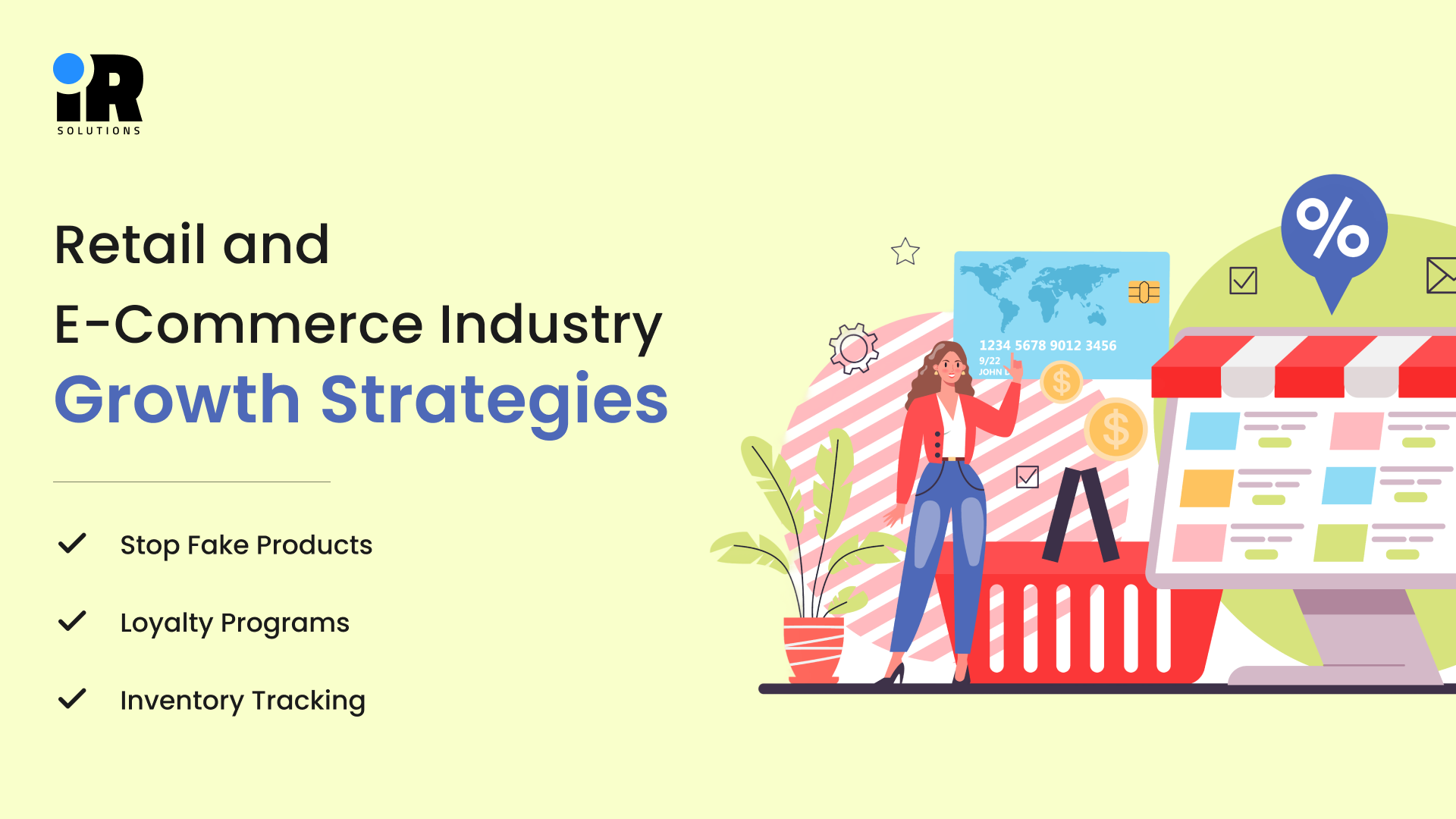
Stop Fake Products: Luxury brands are using blockchain to give every product a digital certificate that customers can scan and verify on their phones. Once recorded, those certificates cannot be replicated or transferred without leaving a fully traceable record.
Loyalty Programs: Traditional loyalty points are siloed to one brand and expire in ways that frustrate customers who genuinely earned them. Tokenized rewards on a blockchain can work across multiple retail partners without any centralized point of control or failure.
Inventory Tracking: Retailers with multiple warehouses often carry inventory data that doesn't sync properly across existing platforms. A shared blockchain ledger keeps counts accurate and prevents the overselling that leads to customer complaints and lost revenue.
Government and Public Sector Blockchain Applications
Governments are slow to adopt new technology by design, but blockchain has found genuine traction in several public sector applications. Land registries are an example of how blockchain removes the corruption and clerical errors common in paper-based property record systems. Estonia has been running core parts of its government on blockchain-backed infrastructure for years, and the efficiency gains are well documented.
Voting systems, digital identity, and public procurement are all areas where the integrity argument for blockchain is compelling. Blockchain-based digital identity gives citizens meaningful control over their personal data instead of depending on centralized government databases that frequently get breached. Public tender processes and contract awards are also ripe for this technology, since financial irregularities consistently find their way into those workflows.
Customs and border control is one more area where blockchain is reducing friction for businesses that import and export regularly. When shipping documents are verified on a shared ledger, customs processing becomes faster, and fewer shipments get stuck waiting for manual paperwork review. For public sector agencies handling large volumes of citizen-facing transactions, blockchain is starting to look less like a trend and more like a practical infrastructure upgrade worth pursuing seriously.
Energy and IoT - Two Industries Catching Up Fast
The energy sector and IoT networks share a common problem: too many data sources, too many intermediaries, and too little trust in recorded data. Blockchain addresses that structural problem directly, with use cases in both sectors moving fast from pilot programs into real production deployments.
- Households with solar panels can sell excess power directly to neighbors, with settlement handled automatically through smart contracts without any utility intermediary involved.
- Real-time consumption data stored on a tamper-proof ledger gives grid operators significantly more accurate demand forecasting than traditional centralized data systems allow.
- Blockchain adds a critical security layer to IoT networks, preventing rogue or compromised devices from injecting false data into shared operational systems.
- Emissions offsets are tracked on a blockchain that closes the verification loopholes that made older carbon credit systems unreliable and open to manipulation.
- Clean energy certificates can be issued and verified on-chain without any central authority, giving companies ESG reporting that holds up under external audit scrutiny.
Education and Professional Credentialing
The credentialing industry has a fraud problem that blockchain solves more cleanly than any available alternative. Degrees, licenses, and training completions are routinely faked, and employers have limited tools to verify them quickly.
Degree Verification: Universities can issue tamper-proof digital degrees that graduates own and share directly with employers through a verifiable credential wallet. The institution never has to respond to verification requests again because the record is permanently auditable.
Professional Licenses: Regulatory bodies can issue licenses on a blockchain that automatically flags when a credential has lapsed, been revoked, or modified. Employers can check license status in real time rather than waiting for slow manual verification to complete.
Corporate Training: Companies can issue blockchain credentials to employees who travel with them throughout their entire career history. This creates a portable skills record that candidates can present with provable accuracy rather than an unverifiable resume line.
For education technology companies and universities building digital-first infrastructure, blockchain credentialing is an investment that also reduces administrative overhead on the institution side considerably.
If you are ready to explore what blockchain can realistically do for your business, book a discovery call with our team, and we will map it out together.
Conclusion
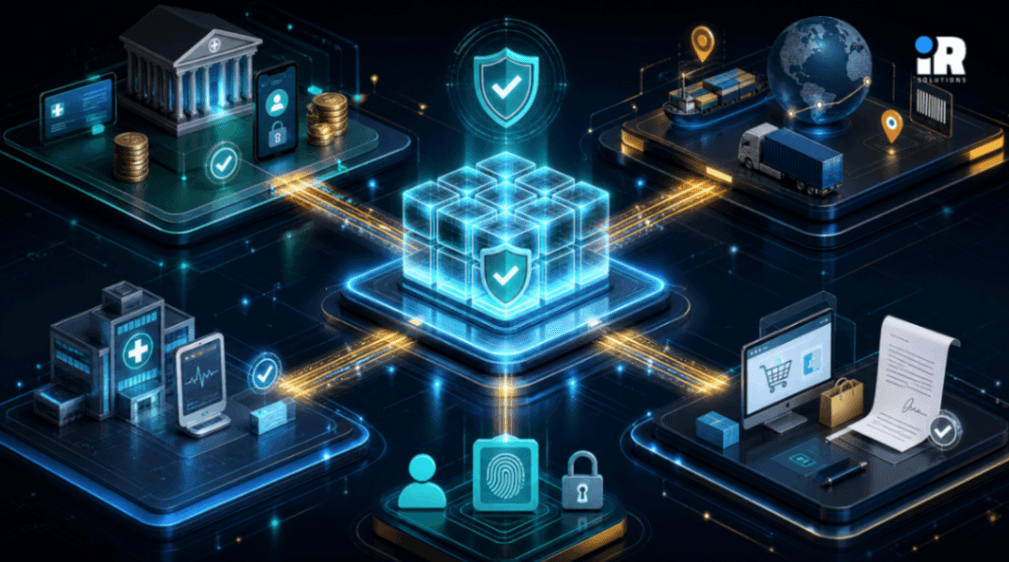
In 2026, blockchain use cases across finance, healthcare, supply chain, and real estate have moved well past the theoretical stage entirely. The biggest gains are coming to businesses that identified a specific operational problem and built a focused blockchain solution directly around it.
Whether you need smart contract development services, an asset tokenization platform, or a full decentralized application, our engineering team has the depth to deliver it. Take a look at our custom blockchain development services to see the full range of what we build for businesses across every major sector. Your next blockchain project needs a blockchain development solution for common pitfalls to overcome in your blockchain project.
Frequently Asked Questions
What industries benefit the most from blockchain technology today?
Finance, healthcare, supply chain, real estate, and retail have all demonstrated consistent and measurable results from real blockchain implementations at scale.
How long does it take to build a production-ready blockchain application?
Most focused blockchain applications take three to six months depending on integration complexity and the number of smart contracts involved in the project.
Is blockchain only relevant for large enterprises or major corporations?
Mid-sized businesses and startups are actively deploying blockchain solutions that deliver strong results without requiring enterprise-level development budgets or infrastructure.
What is the difference between a public and a private blockchain network?
A public blockchain is open to anyone who wants to participate, while a private one restricts access to pre-approved participants within a defined and controlled network.
How does IR Solutions approach blockchain development for new clients and projects?
We start with technical discovery to understand your business goals, then recommend only the blockchain components that genuinely add measurable value to your operations.
Which blockchain platforms does the IR Solutions development team actively build on?
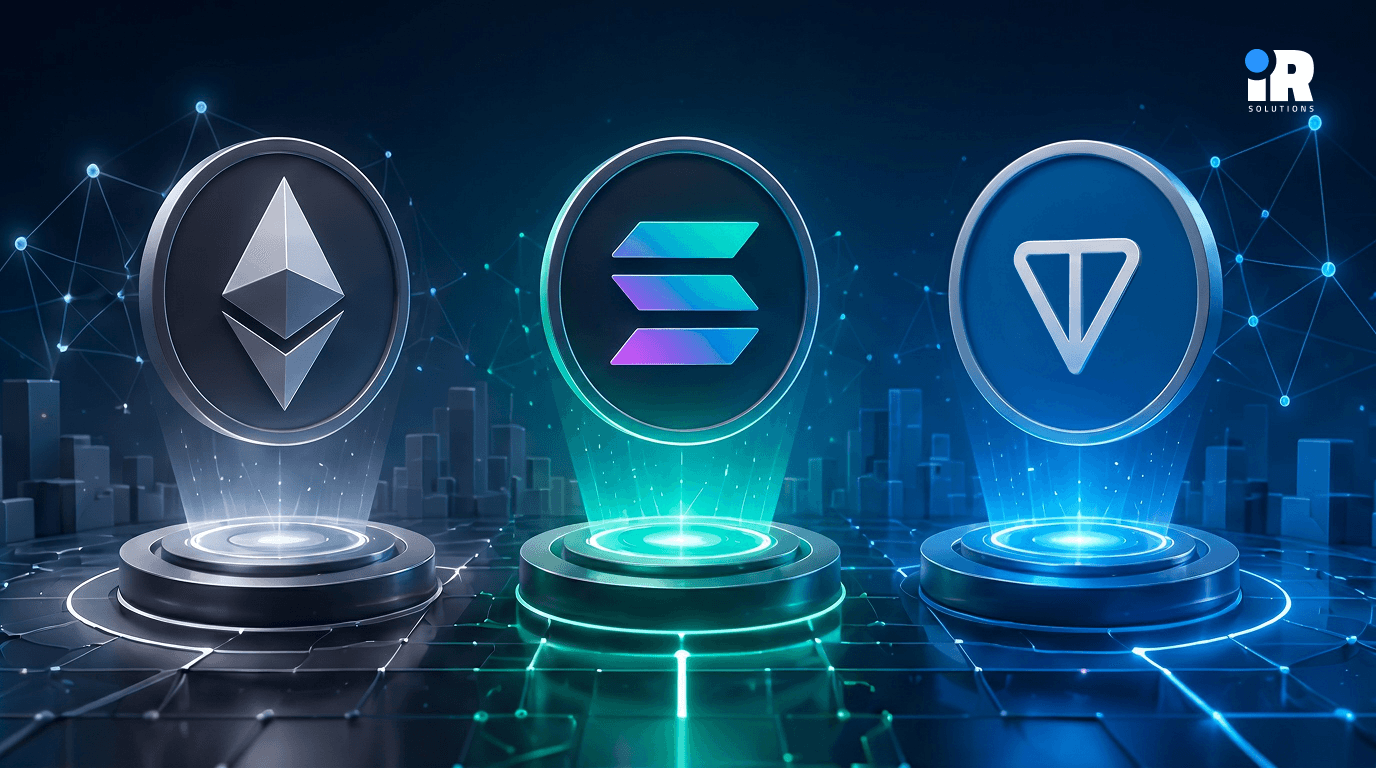
Our team builds on Ethereum, Solana, TON, Binance Smart Chain, and private ledger solutions depending on your specific technical and business project requirements.
Can a blockchain integration work with my existing software systems and infrastructure?
Yes, most blockchain integrations use API layers that connect to existing systems without requiring a full replacement of your current operational software infrastructure.
What makes IR Solutions different from other blockchain development companies in the market?
We combine discovery-first thinking, in-house security auditing, and post-launch support into every engagement rather than handing off a product and walking away immediately.