


Supply chains have a data problem that most businesses don't talk about openly. Goods move across a dozen partners, three countries, and multiple handoffs, and the records tracking it all live in someone's spreadsheet, someone else's ERP, and a handful of email threads that nobody can find in a crisis. That's not a minor inconvenience, that's how counterfeit goods enter legitimate chains, how recalls drag on for weeks, and how disputes between buyers and suppliers turn into legal bills nobody budgeted for. Blockchain changes the underlying structure of how supply chain data gets recorded and shared. Not by adding another software layer on top of the same broken process, but by replacing the process itself with something that can't be quietly edited after the fact. For businesses in supply chain and logistics, that difference is worth understanding before a crisis forces the conversation.
What Blockchain Actually Does in a Supply Chain Context
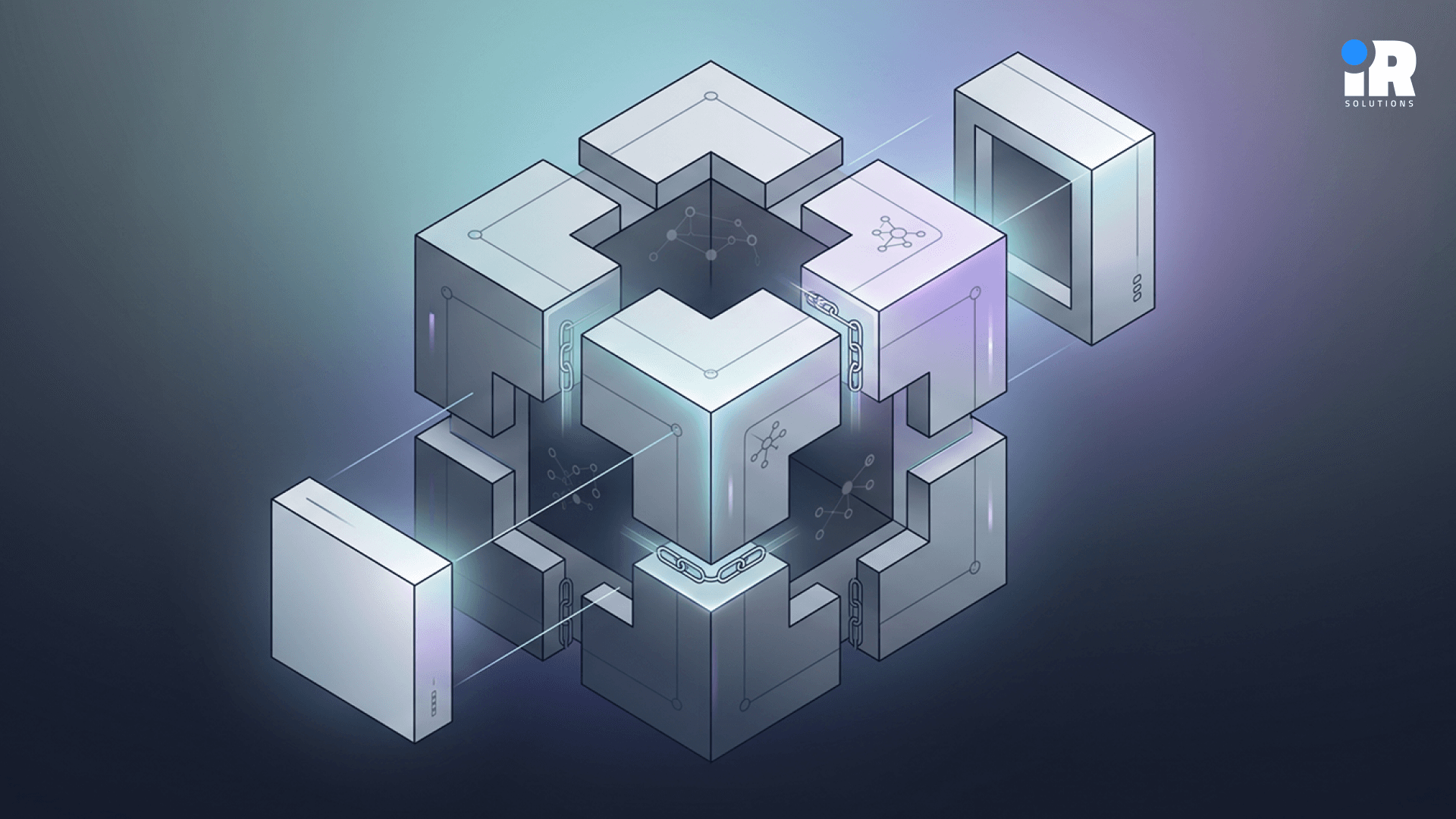
A blockchain is a distributed ledger of data stored simultaneously across multiple nodes with no single party controlling what gets written or changed. Every update requires consensus from the active participants on the network. Once confirmed, a record can't be altered without detection.
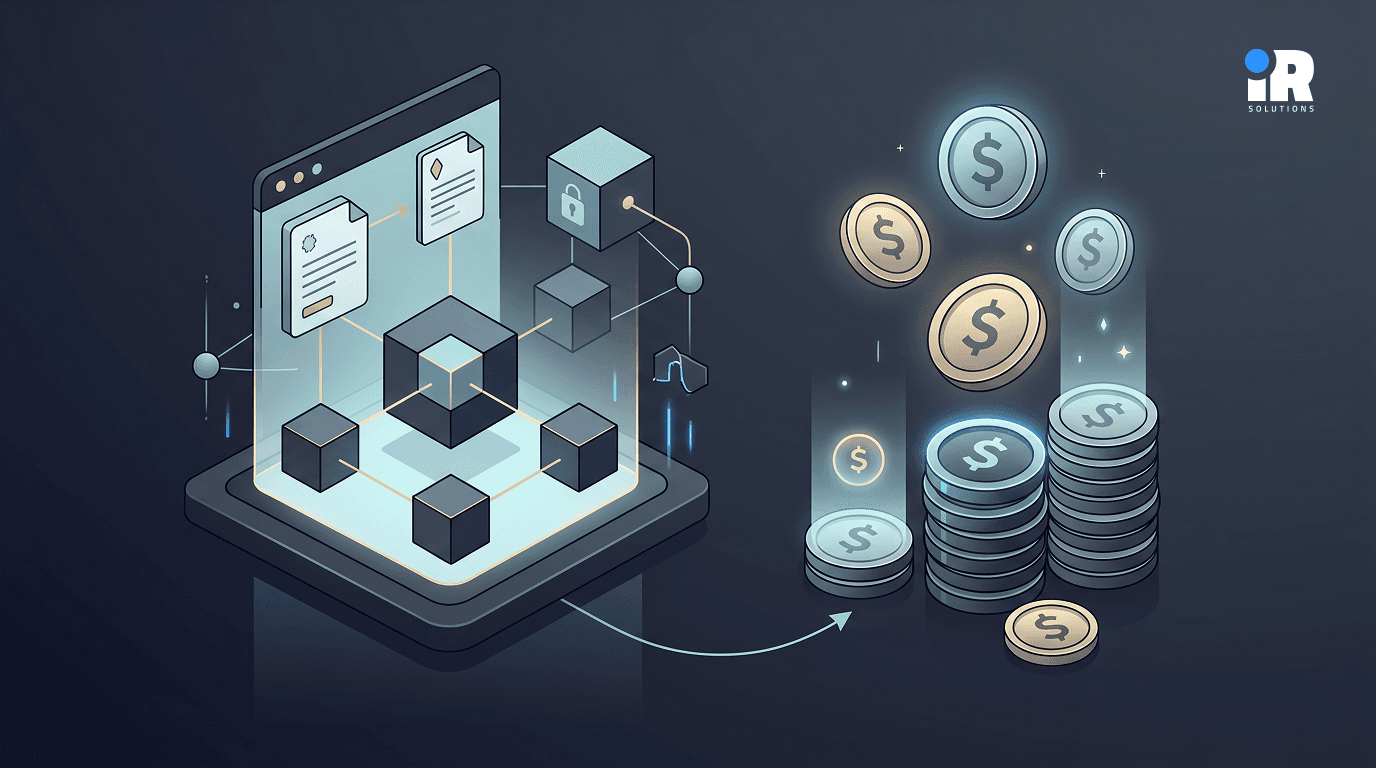
In a supply chain, this means every participant, suppliers, manufacturers, freight companies, customs agencies, and retailers share one ledger instead of maintaining separate ones. Each party can see what the others have recorded. Nobody can edit what's already been verified. Smart contracts sit on top of this and handle conditional logic: when a delivery is confirmed, and conditions are met, payment is released automatically without anyone filing an invoice or waiting for approval. The result is a supply chain where trust doesn't depend on who you know or how long you've been working with someone. It's built into the system.
This connects closely with our detailed guide on Blockchain Development Guide 2026: Use Cases, Costs, Technologies & How to Get Started, where we explain everything step by step.
Why the Current Setup Is Breaking Down
Most supply chain teams will tell you things are working fine, right up until they're not. A contaminated batch. A supplier dispute, customs hold, nobody can explain because three different systems have three different versions of the shipment record. The cracks are predictable, and they show up in roughly the same ways across industries.
Fraudulent goods enter chains because there's no end-to-end verified record of where a product originated or how it moved. A supplier invoices for goods that never shipped, or ships goods that fail spec, and the dispute takes months because each party's records contradict the other's.
A recall gets called, but nobody can trace which warehouse received which batch because the data is scattered across disconnected systems and partner databases. Regulatory auditors arrive, and the compliance team spends three days reconstructing records from email chains and scanned PDFs. None of these is a technology failure, they're information architecture failures. Blockchain addresses them at the structural level rather than adding another dashboard on top of the same fragmented data.
What Businesses Actually Gain From Running Blockchain in Their Chain
There's a tendency to describe blockchain benefits in abstract terms "transparency," "trust," and "efficiency." Those words don't mean much until you can put a number on them or connect them to a specific operational problem you've already experienced.
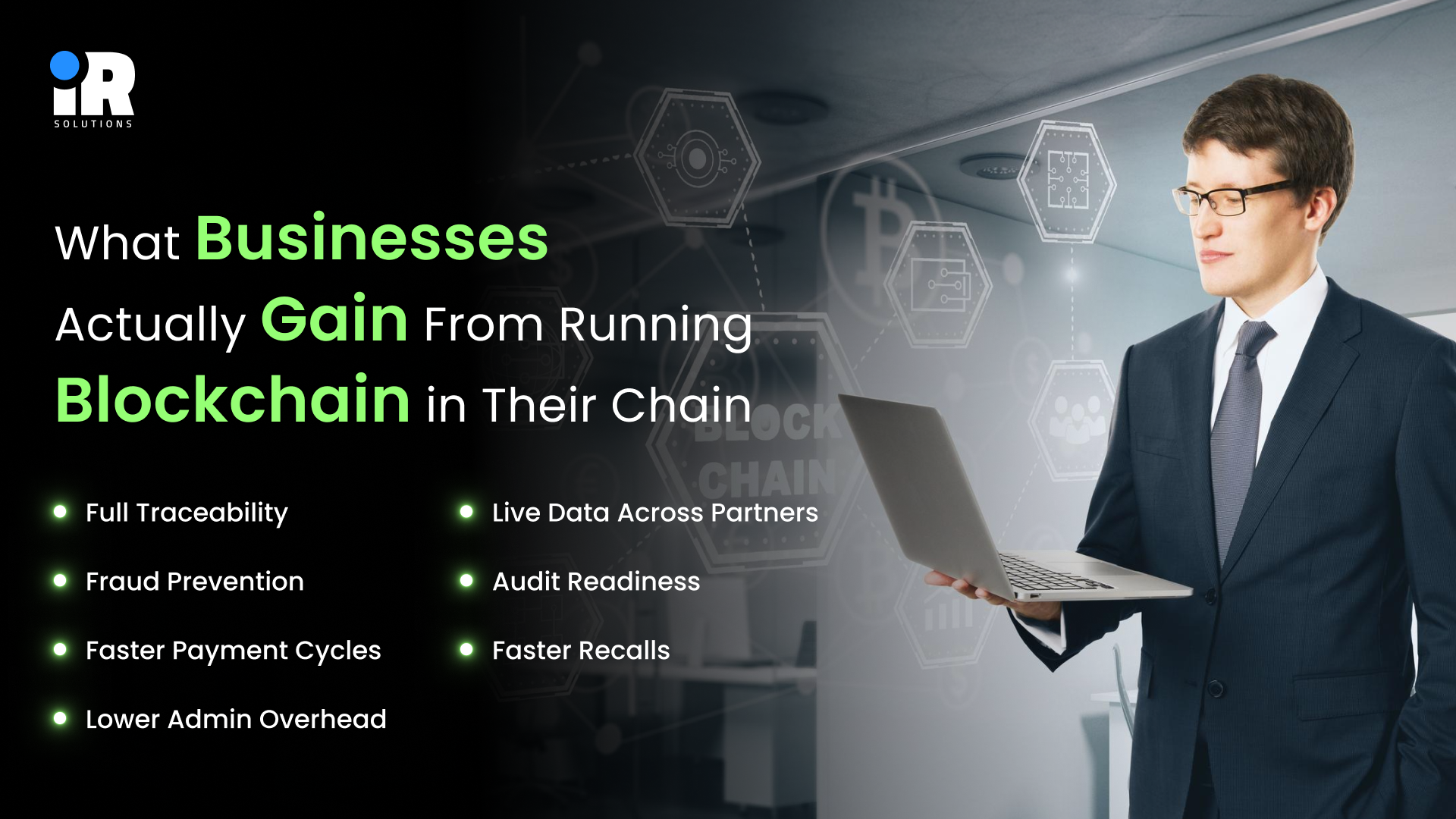
Full Traceability
Every item gets a digital record at each stage of production, processing, freight, customs clearance, and final delivery. When something goes wrong, you pull the full history in seconds. Walmart's food traceability project is the most cited example: tracing a contaminated mango batch dropped from nearly a week of manual investigation to 2.2 seconds after IBM Food Trust went live. That's not a marginal improvement. That's a different category of operational capability.
Fraud Prevention
Every entry on a blockchain is cryptographically signed by whoever made it. With strong blockchain security, you can't insert a record retroactively and have it blend in. You can't replace one supplier's certification with a fraudulent one without the signature mismatch flagging it.
Faster Payment Cycles
Manual invoicing is slow, disputed often, and expensive to process. Smart contracts replace the cycle: delivery confirmed, conditions verified, payment released. For businesses managing fifty or a hundred suppliers, that alone can free up working capital that was previously sitting in the approval queue. The operational finance argument for blockchain is often stronger than the transparency argument, especially for mid-sized manufacturers.
Lower Admin Overhead
The cost of manual reconciliation is usually invisible because it's distributed across people's time rather than a line item on a P&L. Removing the need for third-party auditors, paper-based verification, and cross-referencing between systems reduces that overhead in ways that show up in headcount and processing time. Documented cost reductions in supply chain administration run 20 to 30% when blockchain is deployed with a proper design behind it.
Live Data Across Partners
Right now, when your freight partner updates a shipment status, someone on your team might find out the same day or they might find out when the warehouse calls asking where the delivery is. On a shared blockchain, the update is visible to all participants the moment it's recorded. No calls, no forwarded emails, no "let me check with our logistics team."
Audit Readiness
An immutable transaction history means compliance documentation is accurate and current by default. When a regulator requests records, you pull them. You don't spend two days reconstructing what happened from inboxes and attached spreadsheets. For businesses in regulated sectors, that alone justifies a serious look at the technology.
Faster Recalls
Traditional recall processes are slow because product data is scattered, you know something went wrong, but mapping which batch went where across a dozen distribution partners takes days of cross-referencing records that were never designed to work together. With blockchain, a batch identifier traces the full chain in seconds, which facilities received it, in what quantity, and when. The time difference between a week-long recall investigation and a same-day one is not theoretical. It's a direct function of whether the data is connected or fragmented.
For a practical breakdown of ROI and development quality improvements, refer to Business Benefits of Hiring Experienced Smart Contract Developers.
How a Transaction Actually Moves Through a
Blockchain Supply Chain
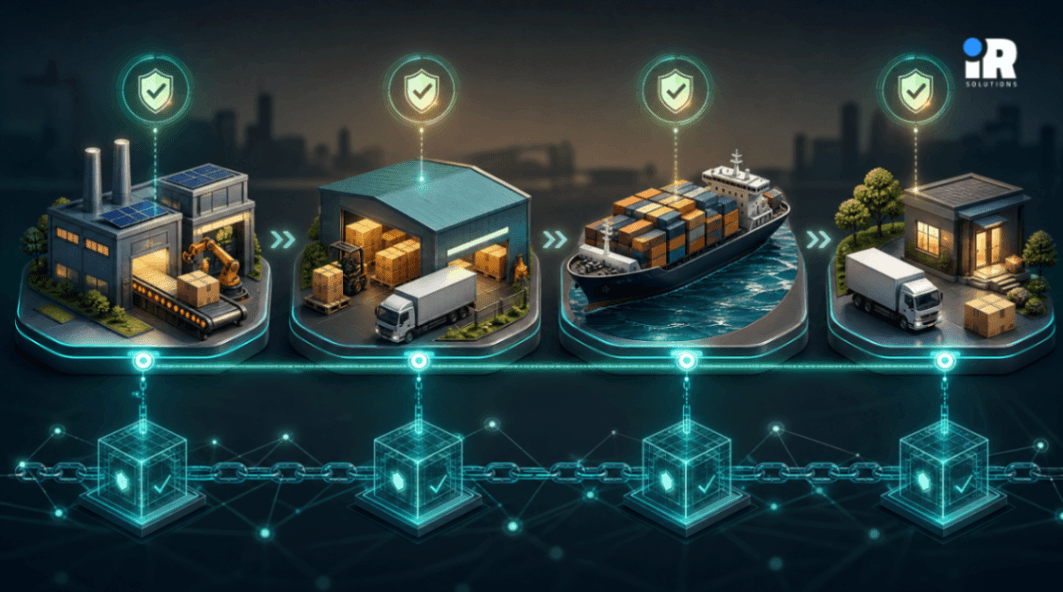
A supplier records batch details, origin, quantity, certifications, and the network adds it as a verified block on the chain. Other participants confirm the block using consensus before it's permanently written to the shared ledger. The manufacturer adds processing data, quality checks, and lot numbers as the next verified block. Each handoff between logistics partners, customs agencies, and retailers adds a new block, building an unbroken product record as the goods move.
Smart contracts monitor conditions, temperature thresholds during cold-chain transport, transit time windows, customs clearance status, and automatically trigger alerts or payments when those conditions are met or violated. Any buyer, regulator, or auditor can access the full verified history of any product without contacting a single partner manually.
The data architecture is simpler than most businesses expect, the complexity is in the setup, getting partners on board, designing the smart contract logic, and making sure the integration points between blockchain and existing ERP systems work cleanly.
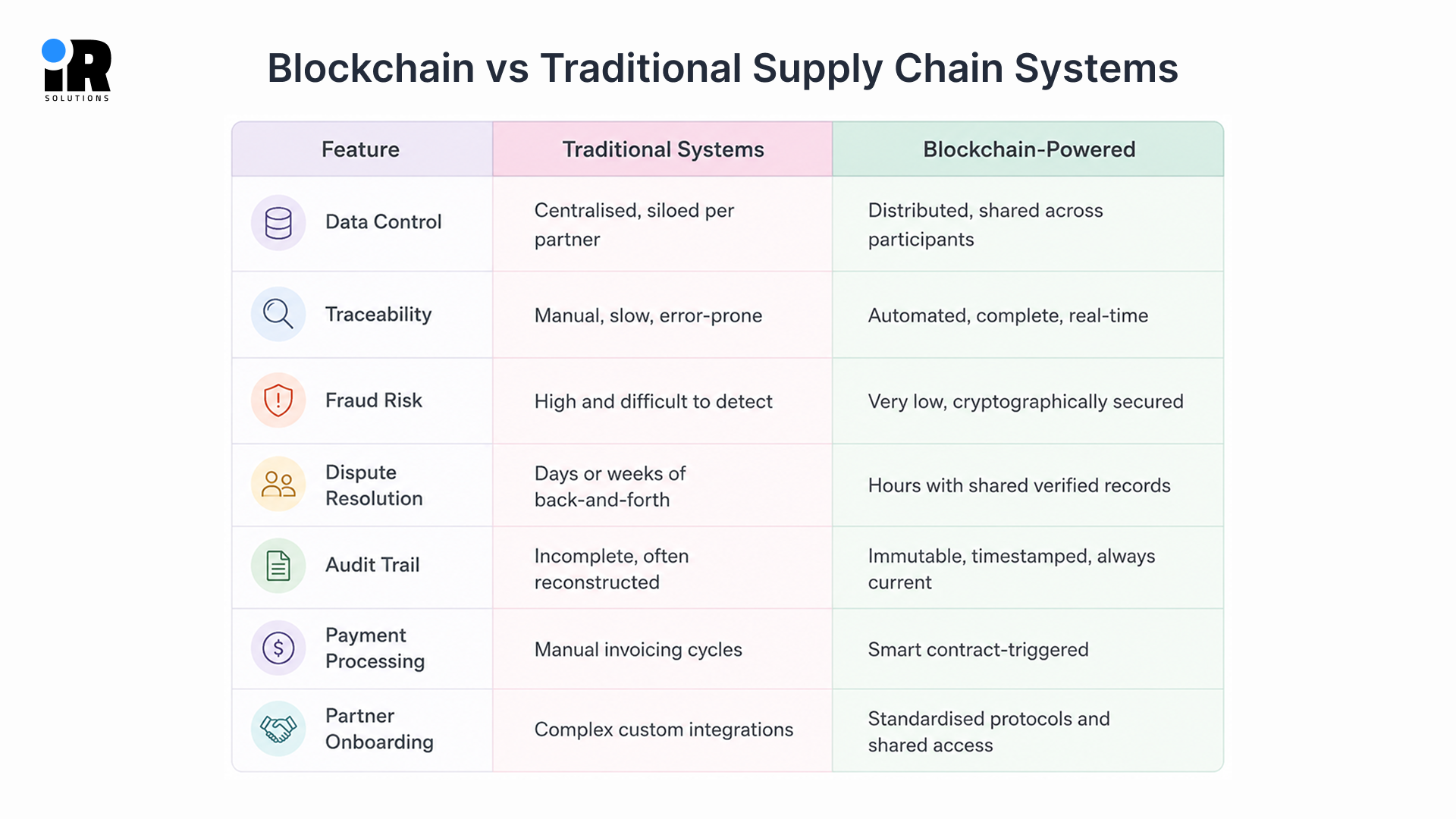
Blockchain vs. Traditional Supply Chain Systems
Selecting the Appropriate Blockchain Model for Projects
Not every blockchain works the same way, and the model you choose directly affects cost, data privacy, and how easily you can bring partners on board.
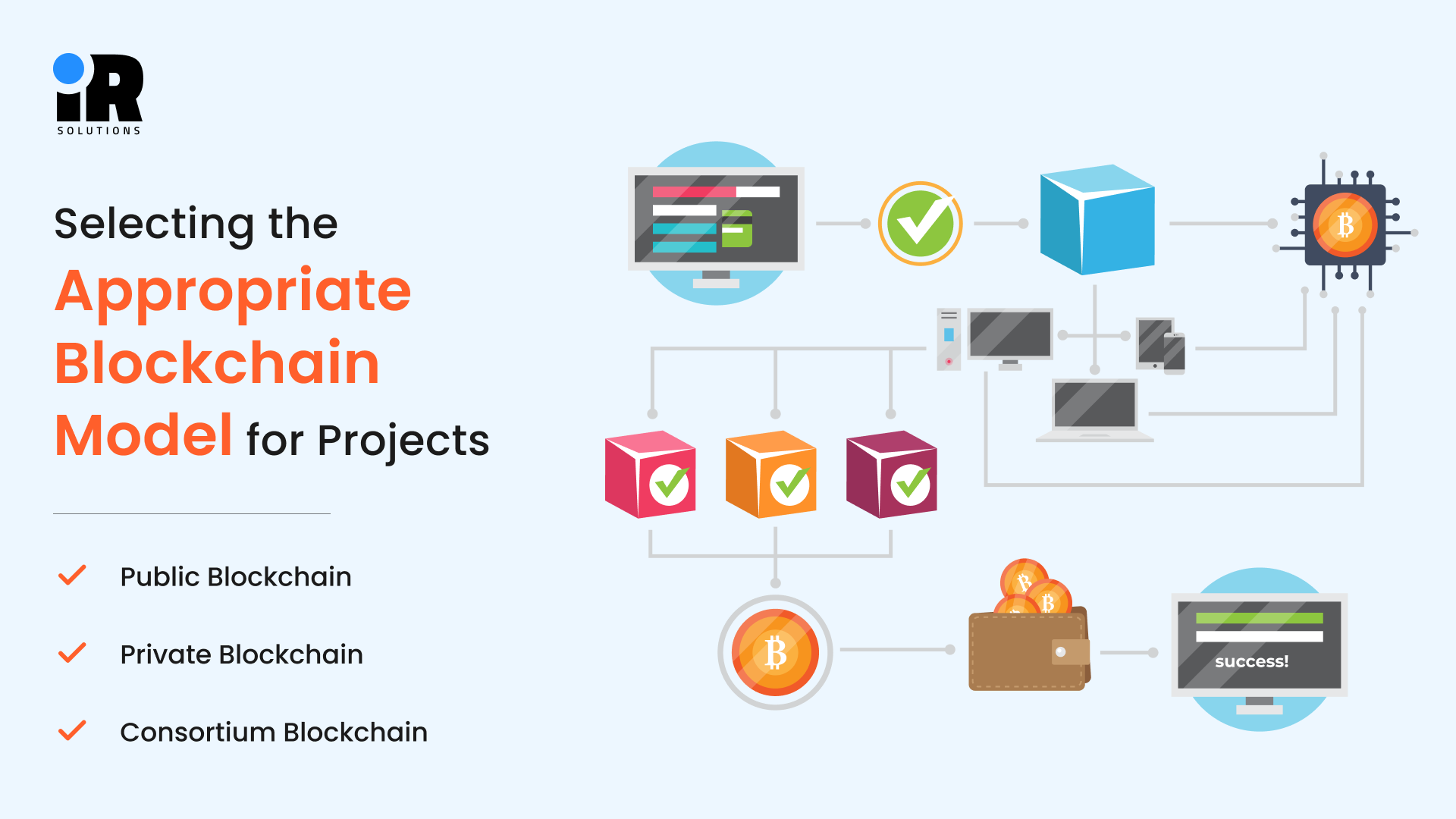
Public Blockchain: Open to anyone, fully transparent, and more expensive because every transaction carries a network processing fee. Ethereum works well for consumer-facing traceability, where end buyers verify product data themselves through a QR code scan. Not the right starting point for most B2B supply chain use cases.
Private Blockchain: Controlled by one organisation, with access limited to approved participants. Faster, cheaper to run, and better suited to situations where competitive data sensitivity matters. Hyperledger Fabric is the standard enterprise choice for this model, used by major manufacturers globally.
Consortium Blockchain: Governed by multiple organisations, which makes it a natural fit for industry-wide supply chains where competitors need to share certain data without exposing everything. MediLedger in pharma and the Aura Consortium in luxury goods run on this model. If your supply chain spans multiple companies with overlapping interests in data standards, this is worth looking at seriously.
For most businesses entering blockchain for the first time, a private or consortium model makes more practical financial sense than launching on a public chain. The infrastructure costs are lower, the data controls are tighter, and getting partners onboarded is significantly easier with a permissioned setup.
How to Actually Implement This - A Realistic Roadmap
Most blockchain projects fail not because the technology is wrong, but because the planning was rushed and nobody had clear answers to basic questions before the build started. Choosing the right Blockchain solutions early in the process is critical because it directly impacts scalability, integration with existing systems, and long-term operational efficiency.
Set a Specific Goal
Pick one problem. Not "improve transparency," something measurable, like "cut recall investigation time from seven days to twenty-four hours" or "eliminate manual invoice reconciliation with our top ten suppliers." A specific target drives every technical decision that follows. A vague one produces a platform that nobody quite uses the way it was intended.
Map What You Actually Have
Document every participant, data point, and handoff in your existing supply chain before designing any technical solutions. Most businesses discover during this step that their current process is more fragmented than they assumed. That's useful information. Knowing your actual workflow is the only reliable way to know what the blockchain needs to replace.
Pick the Right Platform
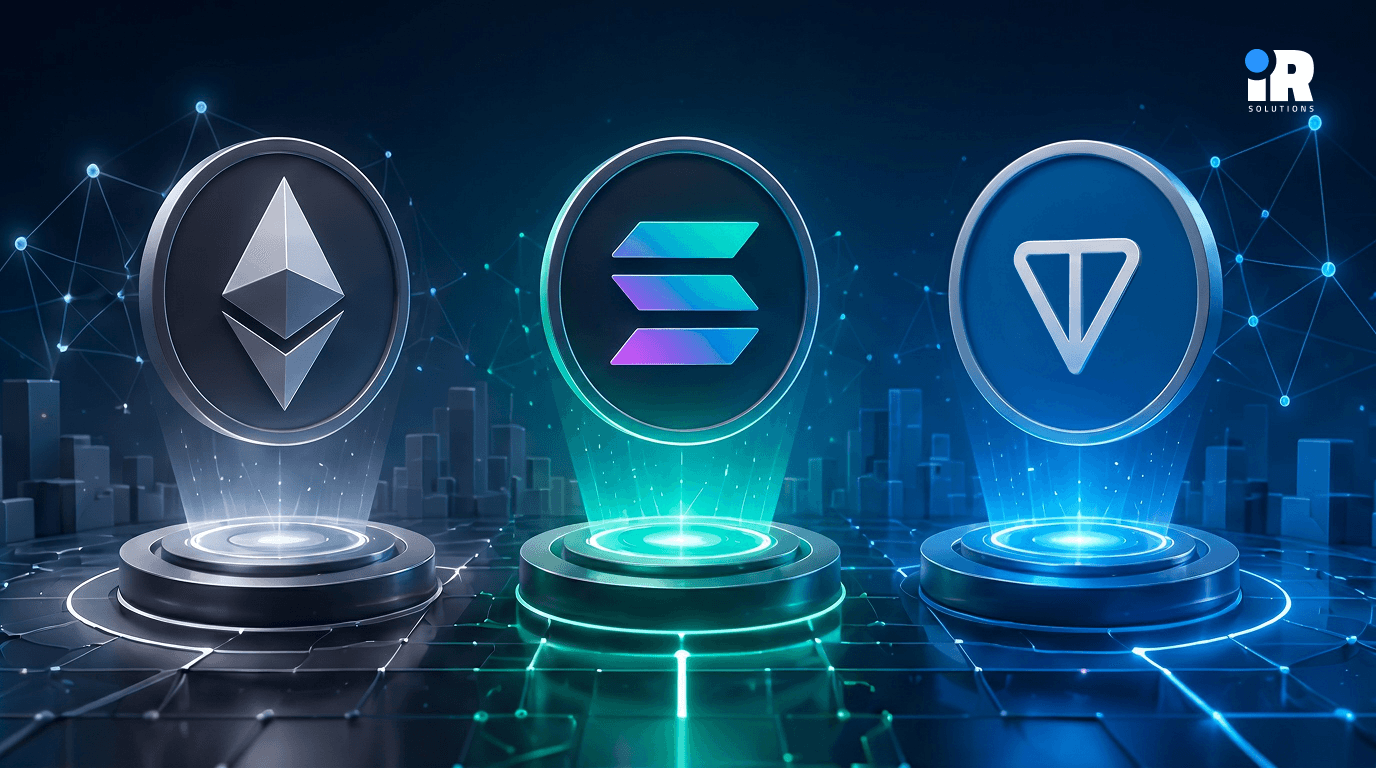
Ethereum suits public or tokenized networks, hyperledger Fabric is the standard for private enterprise environments where data privacy matters. Polygon and Solana work for higher-throughput cases where transaction speed and costs are the main concern. The platform decision should follow from your use case, not the other way around.
Build and Audit Smart Contracts
Smart contracts need to be designed carefully, tested thoroughly, and independently audited before going anywhere near a live environment. This is the step most teams underinvest in, and it's the one that causes the most expensive problems post-launch. Work with smart contract developers who have shipped audited contracts in production, not just demos.
Get All Partners Committed Before You Build
Blockchain only delivers its full value when all parties are contributing verified data to the shared ledger. If half your suppliers are still emailing spreadsheets, the ledger is incomplete, and the traceability case breaks down. Get written commitment from key partners before the build starts not as a courtesy, but as a technical requirement.
Run a Contained Pilot First
Start with one product line or one supplier relationship. Validate the data flow, confirm partners can operate the system without constant support calls, and test the smart contract logic against real transactions before expanding. Only scale the rollout once you've actually tested the assumptions your business case was built on.
Measure Against the Goal You Set at the Start
After launch, track the KPIs you defined in step one. Recall time, dispute rates, payment cycle length, and admin hours. If results are falling short, figure out whether the problem is in the smart contract logic, partner adoption, or data quality before assuming the technology is at fault. Usually it's one of the first two.
If you want direct answers to your specific supply chain situation, book a free strategy call and talk it through before committing to anything.
Conclusion
Blockchain in the supply chain is running in production across complex global logistics operations right now, not as a research project, but as an operational infrastructure that companies depend on daily. For businesses still running on disconnected legacy systems, the gap in fraud exposure, recall response time, and compliance overhead is real and growing. The right way to start is small: one defined problem, a realistic budget, and a development team that has actually shipped blockchain in production before. The efficiency gains compound as more partners join the network, and more processes get automated through well-designed smart contracts. This is where a blockchain development company helps turn strategy into a real supply chain solution.
Frequently Asked Questions
How does blockchain improve supply chain transparency?
Every participant views the same verified data simultaneously, which eliminates disputes over inconsistent records and removes the need to reconcile data across separate systems.
Is blockchain too expensive for small and mid-sized businesses?
A focused pilot on a private or consortium chain can deliver measurable value at far lower cost than a full enterprise rollout starting small is the practical entry point.
What blockchain platforms work best for the supply chain?
Hyperledger Fabric is the most common enterprise choice, Ethereum and Polygon suit tokenized tracking and consumer-facing verification use cases.
How long does a blockchain supply chain implementation take?
A contained pilot typically runs three to six months; a full enterprise-wide rollout can take one to two years, depending on the number of partners and integration complexity.
Do all supply chain partners need to use the same blockchain platform?
Not necessarily, but all partners must agree on shared data standards and integration protocols so information flows correctly across the system.
What is the difference between a public and a private blockchain?
A public blockchain is open to anyone; a private one limits access to approved participants within a controlled network environment.
What role do smart contracts play in supply chain blockchain?
Smart contracts release payments, send alerts, or update records automatically whenever specific pre-set supply chain conditions are met, with no manual intervention required.
How do I know if my business is ready to implement blockchain?
If your chain involves multiple partners, manual reconciliation, and frequent disputes or delays, the case for a blockchain pilot is worth building out seriously.