


Sending an email to everyone on your list and hoping for results is a strategy that stopped working years ago. Subscribers today expect relevance; they want messages that speak to their situation, their needs, and their timing, not a generic broadcast designed for the average person who does not really exist.
This closes that gap by combining data, smart segmentation, automation, and timing into a single cohesive strategy. When it works, it builds trust that no paid ad can replicate. The right email marketing partner can help businesses execute their strategy more effectively and achieve better results.
Personalized Email Marketing - What It Is and Why Brands Struggle to Do It Right
Personalized email marketing means tailoring your email content, timing, offers, and messaging to match the specific needs and behaviors of individual subscribers. It goes far beyond using someone's name inside a greeting line.
The brands that get this wrong tend to follow the same pattern across the board. They send the same promotional email to every single person on their list. They ignore what subscribers have purchased, browsed, or clicked on previously. They send emails at random times with no logic driving the schedule at all. The result is predictable poor open rates, rising unsubscribes, and a damaged sender reputation that quietly chokes deliverability over time.
Real personalization treats every subscriber as someone with a unique journey, unique preferences, and unique timing needs that deserve respect. That shift in mindset changes everything about how a business approaches its email channel going forward.
The Business Case for Why Personalization Drives Real Revenue
Before getting into the how, it is worth understanding exactly what is financially on the table here. Email marketing consistently delivers the highest return on investment of any digital marketing channel, but only when executed with real precision and intent.
- Personalized emails generate 6x higher transaction rates compared to generic broadcast campaigns.
- Segmented campaigns can drive a 760% increase in revenue over one-size-fits-all sends.
- 80% of consumers are more likely to buy from brands that deliver personalized experiences consistently.
- Triggered emails based on subscriber behavior generate 3x more revenue per email than standard campaigns.
These results do not appear by accident or luck, they happen when businesses invest seriously in strategy, data infrastructure, and an execution partner who knows how to connect all the pieces. If your email program is not producing numbers like these, personalization is almost certainly the piece that is missing from the equation.
How Audience Segmentation Powers Personalization
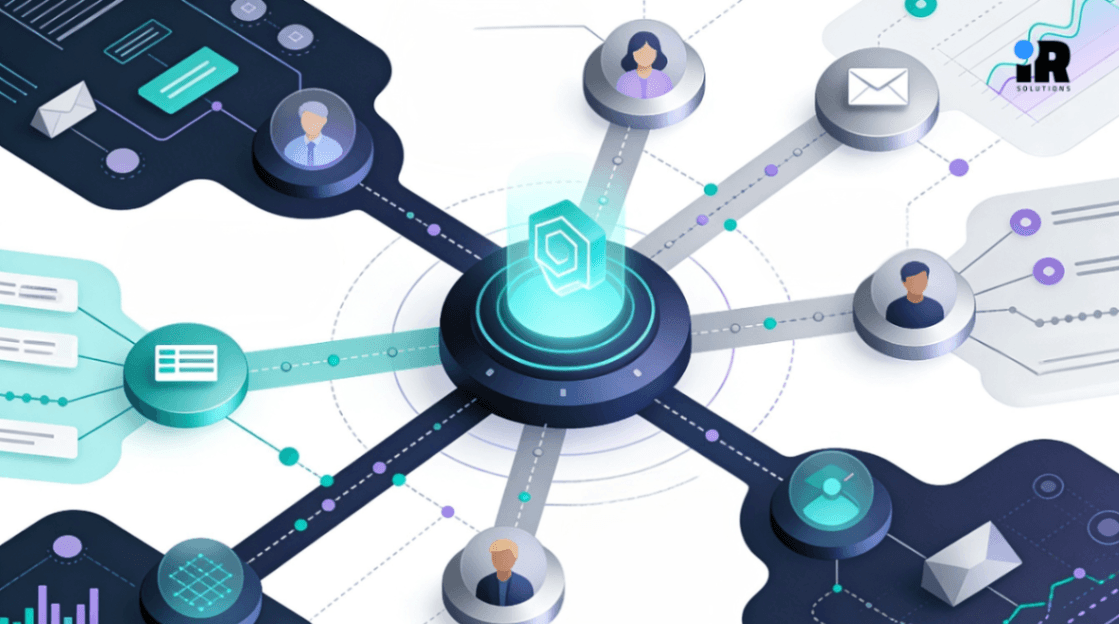
Segmentation is how you take raw subscriber data and organize it into actionable groups that receive relevant and targeted communication at the right moment. Without a proper segmentation framework in place, personalization at any meaningful scale becomes completely impossible.
Four Segmentation Approaches That Actually Move the Needle
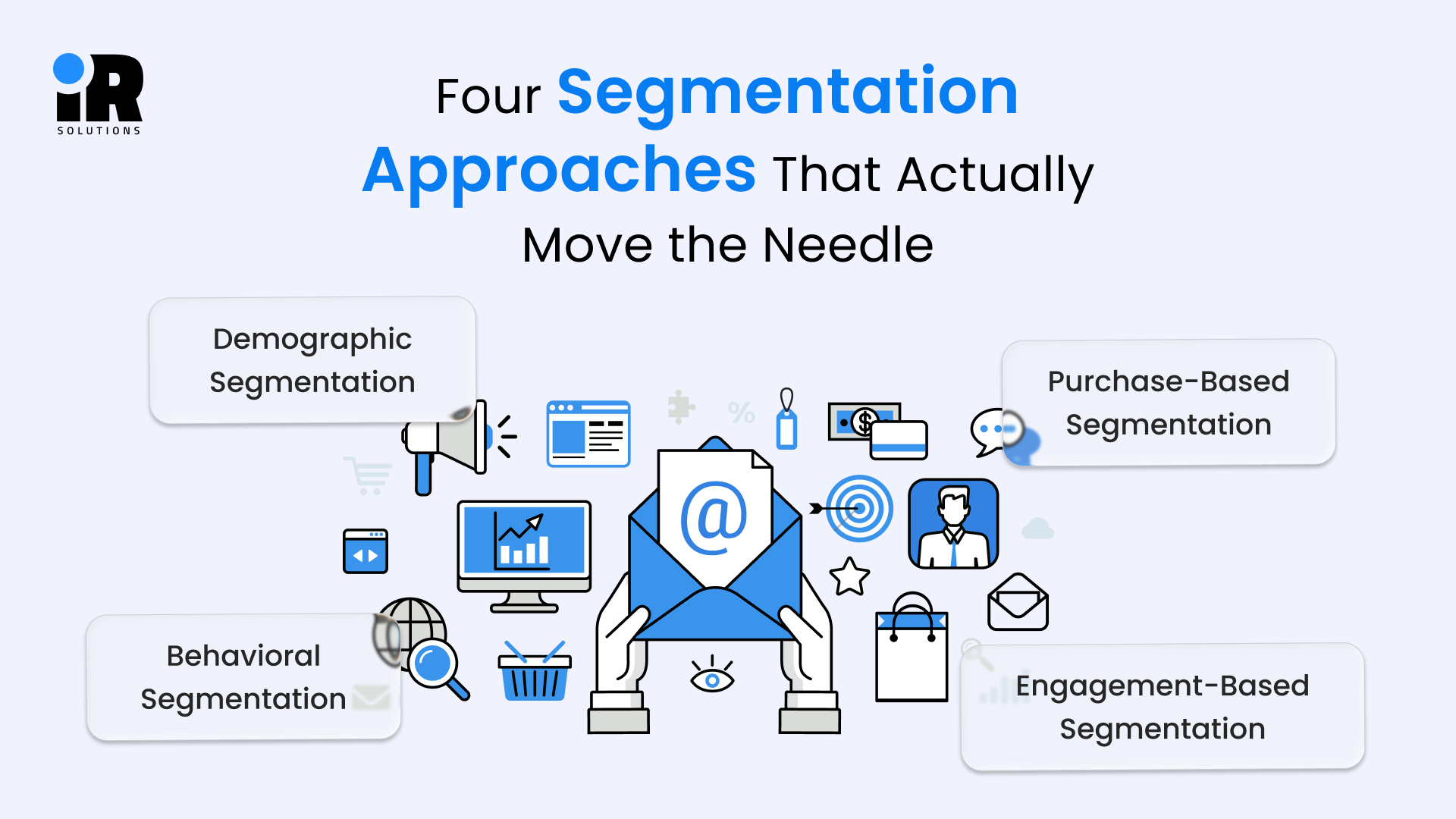
Demographic Segmentation: Group your subscribers by location, age bracket, industry, or company size to shape the tone and context of your messaging. A B2B SaaS company will send very different content to startup founders than to enterprise procurement managers, even when both came through the same lead magnet originally.
Behavioral Segmentation: This is where the largest share of revenue opportunity lives inside any email program. Segment subscribers based on the specific actions they take or consistently fail to take on your website, inside your emails, or within your product or service platform. A subscriber who visited your pricing page three separate times this week is a completely different prospect from someone who has not opened a single email in the past sixty days.
Purchase-Based Segmentation: Separate your new customers from your repeat buyers and treat them differently from the very first email. Separate low-value purchasers from high-value ones and build distinct journeys for each group accordingly. Every group needs a different conversation, a different type of offer, and a different communication cadence to feel genuinely served.
Engagement-Based Segmentation: Divide your full list into active, warm, cold, and dormant segments and build a communication approach for each tier. Your most engaged subscribers deserve your best content and early access to new products or offers. Your coldest subscribers need a structured re-engagement sequence before they are worth including in any broad campaign send.
Crafting the Right Message - Content That Actually Converts
Segmentation tells you who to talk to at any given moment, the message you craft from that point forward determines whether that conversation leads to a conversion or gets ignored entirely.
Subject Lines That Get Opened
Your subject line is a promise before the email is opened, and personalization can increase open rates by up to 26%. Avoid generic lines like “Check out our latest offers” and use subject lines based on user behavior, location, or activity instead.
- Specific to a product category they actually browsed recently.
- Time-sensitive and tied to an action they took within the past few days.
- Curiosity-driven and anchored to preferences they have already stated.
- Question-based around a problem your segment is actively trying to solve.
Email Body Copy That Speaks Directly
Once the subscriber opens the email, the copy itself needs to feel like it was written specifically for that one person rather than broadcast to thousands simultaneously. Achieving that feeling requires deliberate choices at every stage of the writing process.
- Leading with their specific situation rather than a generic category introduction.
- Referencing previous interactions in a way that feels helpful rather than surveillance-like.
- Offering product or content recommendations grounded in actual purchase or browsing behavior.
- Matching the tone to the segment is more professional for B2B and more conversational for consumer audiences.
- Keeping every sentence tight, direct, and stripped of marketing jargon that adds no value.
Offers and CTAs Matched to Buying Stage
A subscriber who signed up for your list yesterday needs education and trust-building before any hard sell lands well. A subscriber who has purchased twice in the past thirty days is ready for a loyalty reward, an upsell, or access to a higher-tier product. Sending the wrong offer type to the wrong stage kills conversions that should have been easy to close. Map every offer you use to a specific stage in the buyer journey and let segmentation handle the routing automatically.
Why Timing and Frequency Are the Most Underestimated Variables
Getting the message right is only half of the personalization equation. Sending it at the wrong time of day or the wrong frequency undoes all of that personalization work in a way that is hard to recover from.
Finding the Optimal Send Time
Send time optimization has moved far beyond generic advice about Tuesday mornings and weekend avoidance. Modern email platforms analyze individual subscriber behavior patterns to identify the specific time of day when each person is statistically most likely to open an email from your brand. That window is genuinely different for every subscriber on your list.
As a starting benchmark, B2B emails tend to perform best during Tuesday, Wednesday, and Thursday morning windows, while B2C performance varies significantly by industry segment and audience demographic. Treat those benchmarks as a starting point for testing, not a permanent answer. Your platform data will tell you far more about your specific audience than any industry average ever can.
Frequency - How Often Is Too Often
The right send frequency is the highest frequency at which your subscribers keep opening your emails without unsubscribing or marking you as spam. There is no universal answer, but there are reliable warning signals that tell you when you have crossed the line for your audience.
- Rising unsubscribe rates that follow any frequency increase directly.
- Declining open rates are spreading across the full list rather than one segment.
- Spam complaint rates are consistently climbing above the 0.08% threshold.
Automation - Scaling Personalization Without Scaling Your Headcount
Manual personalization at any meaningful subscriber scale is an operational impossibility. Automation turns your strategy from a document into a machine that runs around the clock without constant intervention from your team.
Triggered Email Sequences That Drive Consistent Revenue
Triggered emails are sent automatically when a subscriber takes a specific action or reaches a defined inactivity threshold. They are the most commercially powerful emails in any personalized program because they arrive at exactly the moment when the subscriber's intent or attention is at its peak.
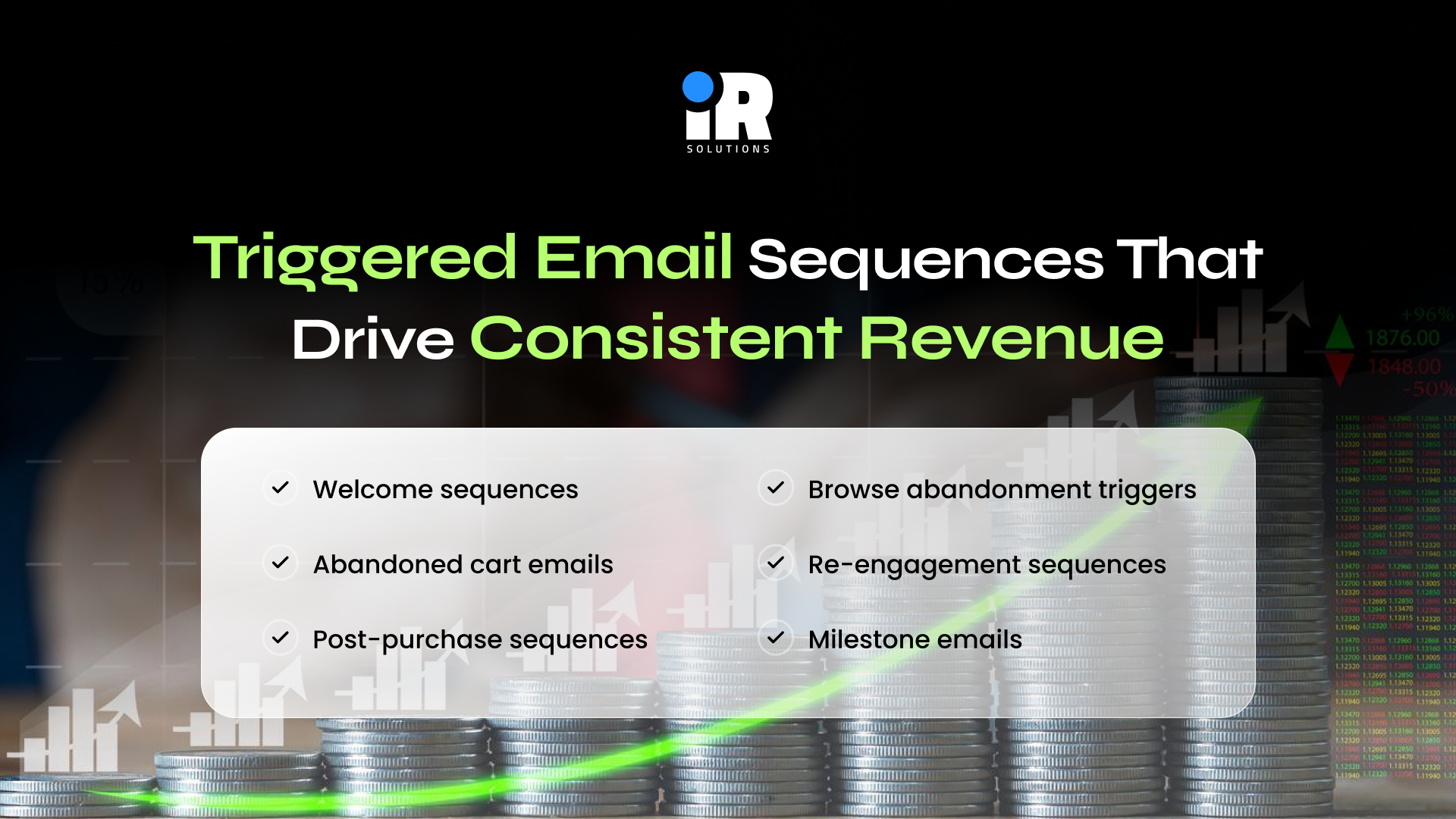
- Welcome sequences: Set expectations clearly, deliver your strongest content early, and guide new subscribers toward their first meaningful conversion step
- Abandoned cart emails: Recover lost revenue by reminding shoppers of what they left behind, ideally landing in the inbox within one to three hours of abandonment
- Post-purchase sequences: Confirm the purchase, provide useful support or onboarding information, and introduce complementary products at a natural moment in the relationship
- Browse abandonment triggers: Follow up when a subscriber views a product or service page but does not take the next step toward purchase
- Re-engagement sequences: Win back subscribers who have gone quiet before removing them from the active list entirely to protect deliverability
- Milestone emails: Celebrate account anniversaries, birthdays, or loyalty thresholds with a personalized offer that feels earned rather than automated
- Every sequence you build should have a clear goal, a tested subject line, and a CTA that matches precisely where that subscriber sits in their buying journey right now.
AI-Powered Personalization at Scale
Artificial intelligence is fundamentally changing what personalization at scale looks like for businesses that invest in it properly. AI tools available today can dynamically generate product recommendations, optimize send times on a per-subscriber basis, predict which subscribers are approaching churn, and generate copy variations tailored to different segment profiles simultaneously.
Businesses that build AI-enabled email capabilities into their programs today will carry a measurable competitive advantage that compounds over the next twelve to eighteen months. This is not a speculative future development, it is a current capability that the most effective email programs are already deploying at scale right now.
Learn more in our blog: How You Can Turn Email Automation Into a Consistent Revenue Source for Ecommerce.
Deliverability Making Sure Your Emails Actually Land
A perfectly crafted, precisely timed, and highly personalized email is completely worthless if it lands in the spam folder before a human being ever sees it. Deliverability is the unglamorous operational backbone of every email program that actually produces consistent revenue.
Key deliverability practices that every business needs to have locked in before scaling email volume:
- Remove hard bounces from your list immediately and suppress long-term inactive subscribers before they damage your reputation further.
- Use confirmed double opt-in for new subscribers to verify genuine interest from the start.
- Authenticate your sending domain properly with SPF, DKIM, and DMARC records configured correctly.
- Monitor your sender reputation score regularly through tools like Google Postmaster and MXToolbox.
- Avoid common spam trigger words in both subject lines and body copy throughout every campaign.
- Never purchase an email list under any circumstances, the short-term volume gain is never worth the long-term deliverability destruction that follows.
Deliverability is an ongoing operational discipline, not a one-time technical setup. Review your delivery metrics monthly and investigate any sudden drops in inbox placement rates before they become impossible to recover from.
To learn how deliverability impacts your campaigns, check out the Email Deliverability Guide - How to Avoid Spam and Improve Inbox Placement.
Measuring What Matters - KPIs for a Personalized Email Program
You cannot optimize what you are not tracking with precision and regularity. These are the metrics that matter most when measuring the true performance of a personalized email strategy: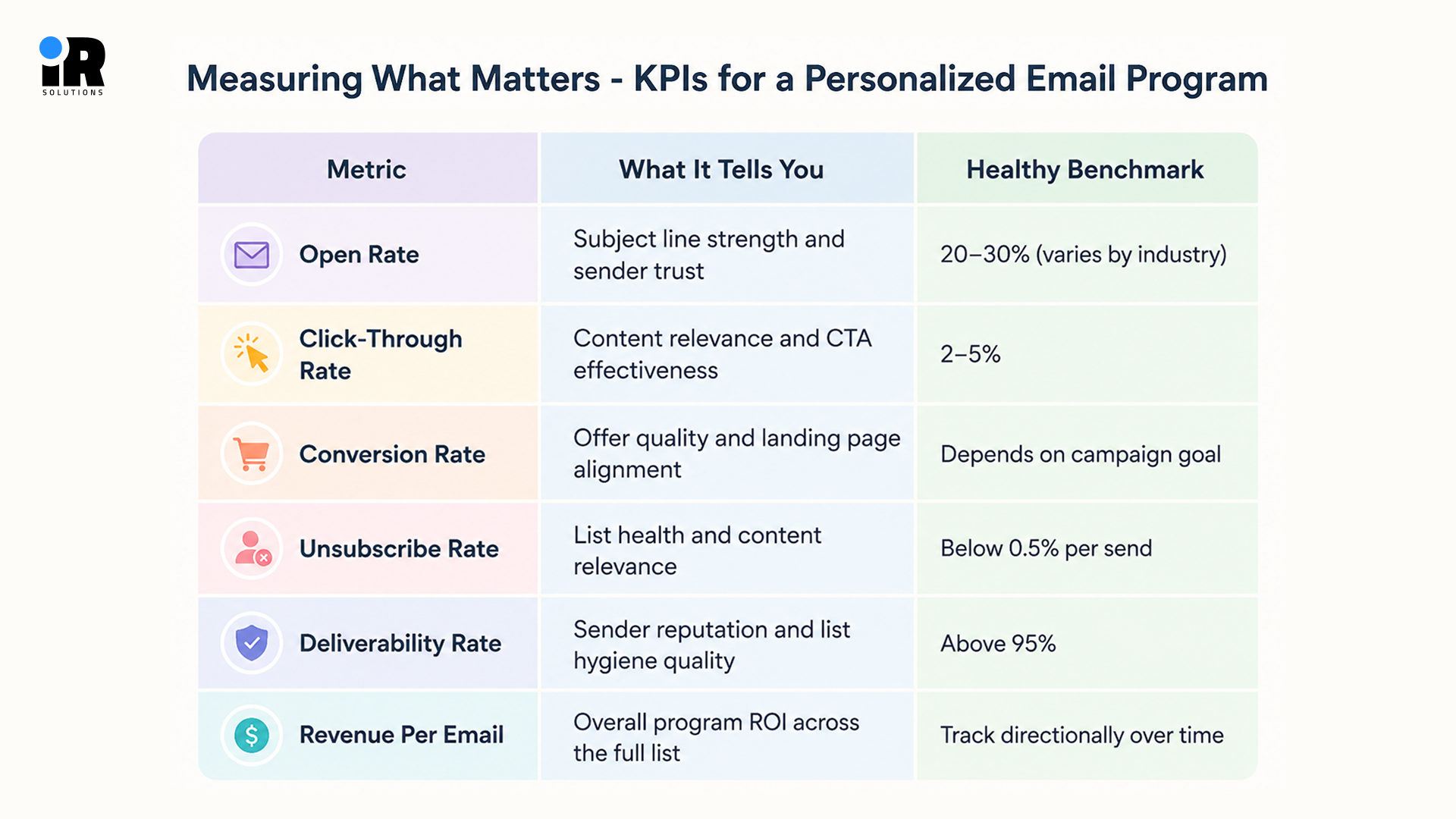
Track every one of these metrics at the segment level, not just for the list as a whole. A healthy overall average can easily hide a struggling segment underneath, and a struggling segment always represents a revenue opportunity your business is currently missing.
If you are ready to turn your email list into a reliable and scalable revenue channel, book a strategy call with our team, and we will walk you through exactly what your program needs to start delivering results.
Common Personalization Mistakes Businesses Make (And How to Avoid Them)
Even businesses with the right intention make costly personalization mistakes that undercut the entire strategy. Here are the most common ones to watch for:
- Over-personalizing intrusively: Referencing too many granular behavioral details makes personalization feel like surveillance rather than genuine service, so keep it helpful and contextually relevant at all times.
- Using outdated data: Personalization built on stale purchase history or preferences that have long since changed does more damage to the subscriber relationship than sending nothing at all.
- Ignoring mobile rendering: More than 60% of emails are now opened on mobile devices, and a well-personalized email that renders poorly on a phone loses the conversion regardless of how relevant the content actually is.
- Personalizing without testing: Assumptions about what your audience wants are never as reliable as actual A/B test data from your own list, so test subject lines, send times, offers, and CTAs on an ongoing basis.
- Skipping the preference center: Letting subscribers choose their own communication preferences reduces unsubscribes while building trust simultaneously, making it one of the highest-leverage and most underused tools in any email stack.
For a deeper look into email automation and performance, check out Klaviyo Email Marketing Strategy 2026: Complete Guide to Automation, Flows, Open Rates & ROI.
Conclusion
Revenue lost to generic email is not always visible on a dashboard, but it accumulates fast. Personalized email marketing changes that equation entirely by making every send feel intentional and relevant rather than automated and forgettable. When data, segmentation, timing, and automation work together, email becomes the most reliable growth channel a business can own. The brands growing their revenue through email right now are not sending more, they are sending smarter, often choosing to hire email marketing expert support to refine strategy, execution, and performance at scale, with a strategy built around what their subscribers actually need. If your current email program is not producing the returns your business deserves, a more precise and structured digital marketing approach is the place to start rebuilding from.
Frequently Asked Questions
How is personalization different from segmentation?
Segmentation groups subscribers into categories, while personalization uses those groups plus individual data to customize what each person actually receives inside their inbox.
How much data do I need to start personalizing emails?
Even basic data like signup source, location, and first purchase history is enough to begin meaningful segmentation and early-stage personalization immediately.
What is the best way to collect first-party data for personalization?
Preference centers, onboarding surveys, quiz funnels, and post-purchase feedback forms are the most reliable and subscriber-friendly data collection methods available.
Does email personalization genuinely improve ROI?
Yes, personalized campaigns consistently outperform generic broadcasts across open rates, click-through rates, and total revenue generated per email sent.
How often should I be sending personalized emails to my list?
The right frequency is the highest send rate at which your subscribers keep engaging without unsubscribing, and your own list data will tell you exactly where that line sits.
Can small businesses realistically benefit from email personalization?
Absolutely, even smaller lists generate significantly higher revenue when the right message reaches the right subscriber at precisely the right moment in their journey.
What tools do I need to run a personalized email program?
A quality email service provider with built-in segmentation, automation, and analytics capabilities is the core requirement, supported by a CRM that unifies your subscriber data.