


Key Takeaways
- The tokenized RWA market has reached $38.3 billion in distributed value, with institutions moving from blockchain experiments to live tokenized asset products.
- 2026 marks a major shift in enterprise adoption as regulatory clarity, blockchain infrastructure, and institutional demand continue to mature.
- Enterprises are using RWA tokenization to unlock liquidity, reduce settlement times, automate operations, and expand access to global investors.
- Smart contracts, digital identity, AI, oracles, and compliance infrastructure are enabling secure and scalable enterprise tokenization platforms.
- Successful RWA tokenization projects depend on proper asset selection, regulatory planning, security audits, and choosing the right technology partner.
The tokenized real-world asset market has passed the point where it can be described as emerging. RWA.xyz tracks approximately $38.3 billion in distributed tokenized value as of August 2026, up sharply from roughly $14 billion at the start of the year, with institutions including BlackRock and Franklin Templeton issuing live tokenized products, and JPMorgan processing tokenized transactions through its Kinexys platform, rather than conducting limited pilots
Enterprises are moving now because the conditions that previously made tokenization too legally uncertain, too technically immature, or too operationally complex to justify the investment have shifted simultaneously rather than incrementally. Regulatory frameworks are developing in major jurisdictions. Enterprise blockchain infrastructure has reached production maturity. And the demand from institutional and retail investors for fractional access to asset classes that were previously closed to them has become commercially significant enough to justify the build.
This guide covers what enterprise RWA tokenization actually involves, why 2026 specifically is the year most serious enterprises are making the move, what business outcomes it produces, and what the process of selecting a development partner and launching a platform looks like in practice.
What is Enterprise RWA Tokenization
For large organizations, tokenization isn't a side experiment anymore, it's becoming part of how asset-heavy businesses manage capital, liquidity, and compliance at scale. Enterprises bring complexity that smaller issuers don't: multiple asset classes, cross-border investors, legacy systems that need to talk to blockchain infrastructure, and compliance teams who won't sign off on anything that can't be audited end to end.
What sets enterprise tokenization apart from smaller or pilot-stage projects:
- Institutional-grade custody and compliance built into the platform, not layered on afterward.
- Integration with existing ERP, treasury, and asset management systems rather than standalone blockchain tools.
- Support for multiple asset classes (real estate, private credit, funds, receivables) on a single infrastructure.
- Regulatory frameworks like MiCA and SEC exemptions embedded directly into smart contract logic, so compliance runs automatically rather than manually.
- Scalability to manage thousands of investors and transactions without added operational headcount.
This is why large asset managers and financial institutions are moving past pilots. BlackRock's BUIDL and Franklin Templeton's tokenized money market funds show what production-scale enterprise tokenization looks like: audited, compliant, and built for daily institutional use rather than a proof of concept.
For enterprises evaluating tokenization, the real decision isn't whether the technology works, it's whether their tokenization partner can handle the legal structuring, custody, and system integration that enterprise scale demands.
For a practical walkthrough of how this process applies to one of the most active asset classes, our guide on how to tokenize real estate covers the full process from legal structuring through to investor management.
Why 2026 Is Becoming the Breakout Year for Enterprise RWA Tokenization
Most competitor content focuses on what tokenization is rather than why the timing of enterprise adoption matters. The conditions that make 2026 specifically significant are worth understanding clearly before any enterprise commitment is made.
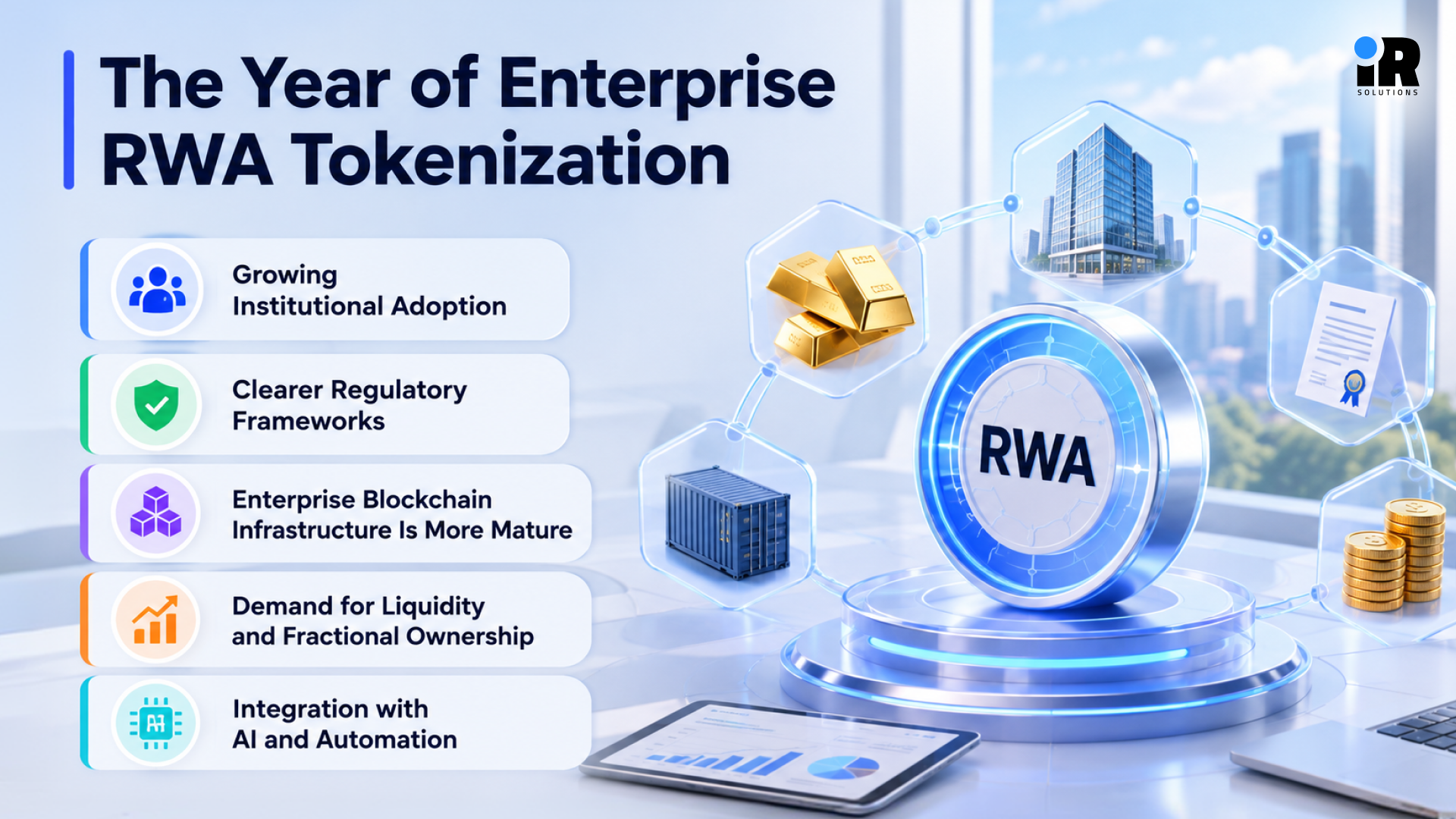
Growing Institutional Adoption
The institutional names now actively deploying tokenized products are not early adopters taking a speculative position. They are established asset managers with fiduciary obligations to their investors, which means their participation signals that the risk profile of enterprise tokenization has shifted from experimental to commercially defensible for organisations that cannot afford high-profile failures.
Clearer Regulatory Frameworks
MiCA in the European Union, evolving SEC guidance in the United States, and progressive frameworks in the UAE and Singapore are providing the regulatory clarity that enterprise legal and compliance teams need before they can approve tokenization projects for real capital. That clarity is not complete or globally uniform, but it has advanced far enough in key jurisdictions to remove the blocker it represented for most enterprises eighteen months ago.
Enterprise Blockchain Infrastructure Is More Mature
The blockchain networks, custody solutions, identity verification systems, and compliance infrastructure that enterprise tokenization requires have matured through years of real-world deployment. The tools available to an enterprise building a tokenization platform in 2026 are meaningfully more reliable, better documented, and better supported than they were in 2022 or 2023, when the technology existed, but the surrounding infrastructure did not. That maturity also means enterprises no longer need to build this expertise entirely in-house. Working with experienced blockchain developers who have already navigated this infrastructure in production shortens the learning curve considerably compared to a team building enterprise-grade tokenization capability for the first time.
Demand for Liquidity and Fractional Ownership
Institutional and retail investors are actively seeking fractional access to asset classes that previously required minimum commitments most participants could not meet. That demand is creating a market for tokenized products that justifies the development investment in a way that theoretical projections alone could not.
Integration with AI and Automation
AI is improving how tokenized assets are managed, valued, and distributed in ways that make the operational model of a tokenized platform more efficient than a traditional asset management infrastructure operating without those capabilities. The combination of AI and tokenization is producing outcomes that neither delivers independently at the same level.
Why Enterprises Are Investing in RWA Tokenization
This section focuses on business outcomes rather than platform features because the decision to invest in tokenization is ultimately a commercial, not a technology, decision.
Unlock Liquidity
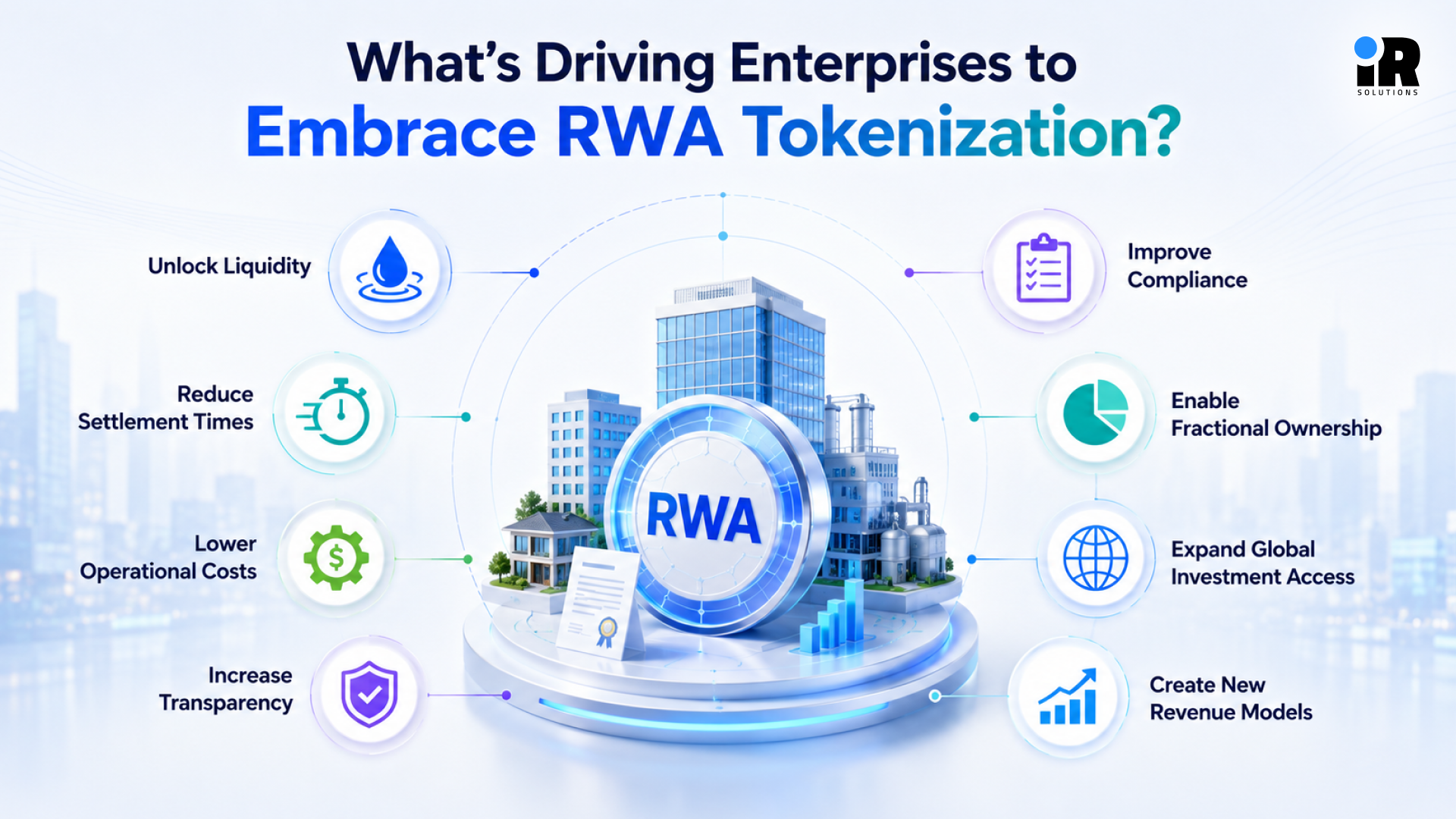
Real estate, private equity, infrastructure, and other high-value asset classes have historically been illiquid because selling them required finding a single buyer who could commit to the full asset value. Tokenization converts those illiquid holdings into tradable digital units that a global pool of investors can buy and sell without the underlying asset changing hands, which releases capital that was previously locked inside assets the enterprise could not efficiently monetise.
Reduce Settlement Times
Traditional asset settlement takes two to five business days across most asset classes, with cross-border transactions extending further. Smart contract settlement on blockchain networks completes in minutes, which reduces counterparty risk during the settlement window and frees capital that would otherwise be tied up waiting for transactions to finalise through clearing house infrastructure.
Lower Operational Costs
Manual processes for ownership transfer, income distribution, compliance verification, and investor reporting consume significant operational resources in traditional asset management. Smart contracts automate each of these functions, which reduces the headcount and administrative infrastructure required to manage a large portfolio of assets and investor relationships simultaneously.
Increase Transparency
Every ownership change, income distribution, and compliance event is recorded permanently on the blockchain and readable by all authorised parties without requiring a third-party intermediary to confirm what the ledger reflects. That transparency reduces reconciliation disputes and provides auditors, regulators, and investors with real-time visibility that traditional reporting cycles cannot match.
Improve Compliance
Smart contracts encode compliance rules directly into the token transfer logic, which means every transfer is checked against KYC verification, jurisdiction eligibility, and holding period restrictions automatically before it executes. This replaces manual compliance review at each transaction with automated enforcement that scales without proportional increases in compliance team size.
Enable Fractional Ownership
A single asset worth ten million dollars can be divided into token units accessible to investors at a fraction of that price. This expands the addressable investor base for the enterprise significantly and creates a more diversified ownership structure that reduces concentration risk compared to a small number of large institutional investors holding the entire position.
Expand Global Investment Access
Token offerings can reach investors in any jurisdiction where the offering is legally compliant, which removes the geographic constraints that traditional private placements impose on capital raising. An enterprise that previously raised capital from a regional investor base can access global capital without the correspondent banking infrastructure that cross-border investment traditionally requires.
Create New Revenue Models
Transaction fees on secondary market trading, management fees on tokenized fund structures, and licensing fees for white-label tokenization infrastructure all represent revenue streams that become available when an enterprise builds tokenization capability rather than simply using an existing platform.
Which Assets Can Enterprises Tokenize?
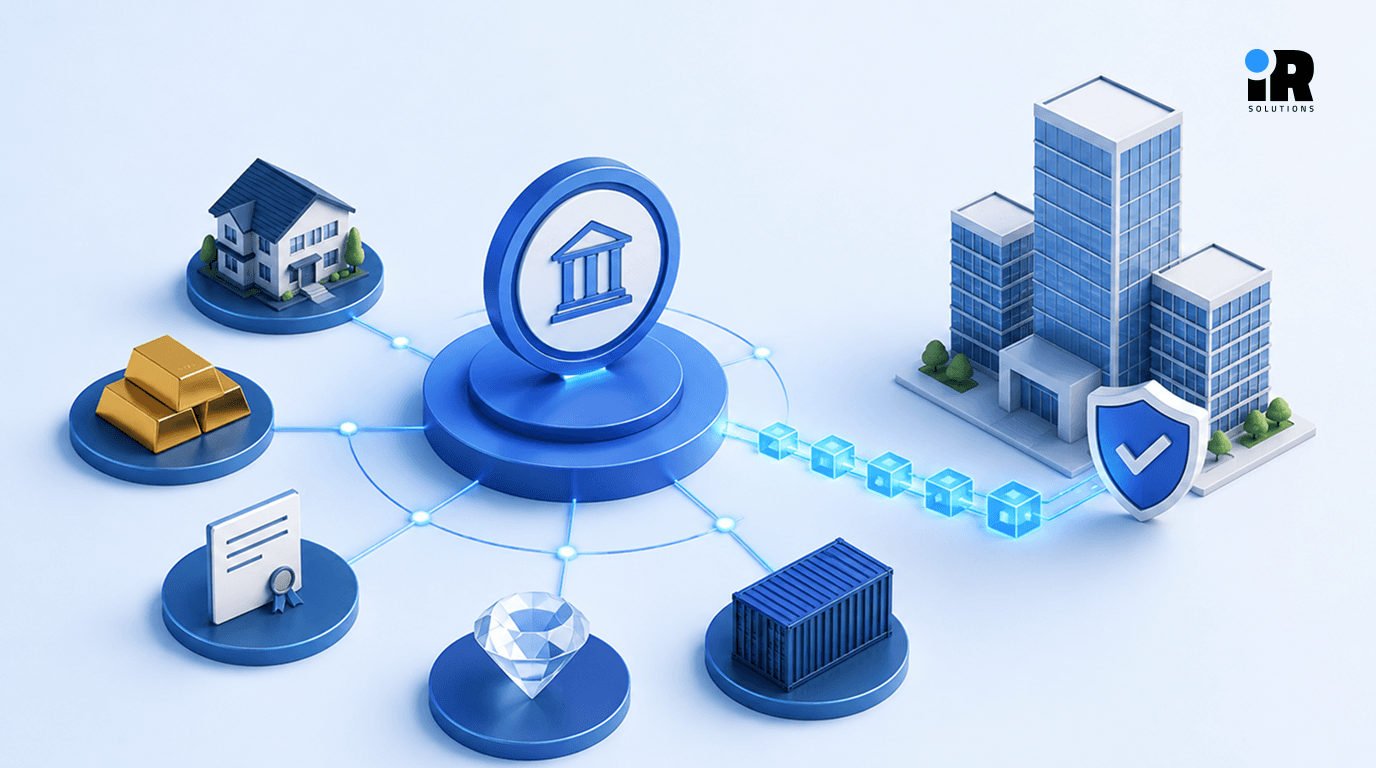
Most assets with verifiable value and transferable ownership can be tokenized. The enterprise benefit varies by asset class.
Asset | Enterprise Benefit |
Real Estate | Fractional ownership and faster capital raising |
Gold | Digital trading without physical custody complexity |
Bonds | Faster settlement and broader investor access |
Private Equity | Improved secondary market liquidity |
Carbon Credits | Transparent ownership and verified retirement |
Intellectual Property | Direct monetisation of future royalty streams |
Commodities | Access to global investors without exchange intermediaries |
Infrastructure Assets | Capital raising without full asset sale |
Collectibles | Fractional investing for previously illiquid markets |
Looking to tokenize enterprise assets? Book a call with IR Solutions to build compliant, enterprise-grade tokenization infrastructure from legal structuring through deployment.
How Enterprise RWA Tokenization Works
Understanding each stage of RWA tokenization helps enterprises plan their resources, costs, and timelines before starting development.
The process begins with asset identification, where businesses assess ownership, income potential, and investor demand. Legal verification then confirms ownership and establishes the legal structure, such as an SPV or trust, that connects the token to the underlying asset. Valuation determines the asset’s market value and helps set an appropriate token price.
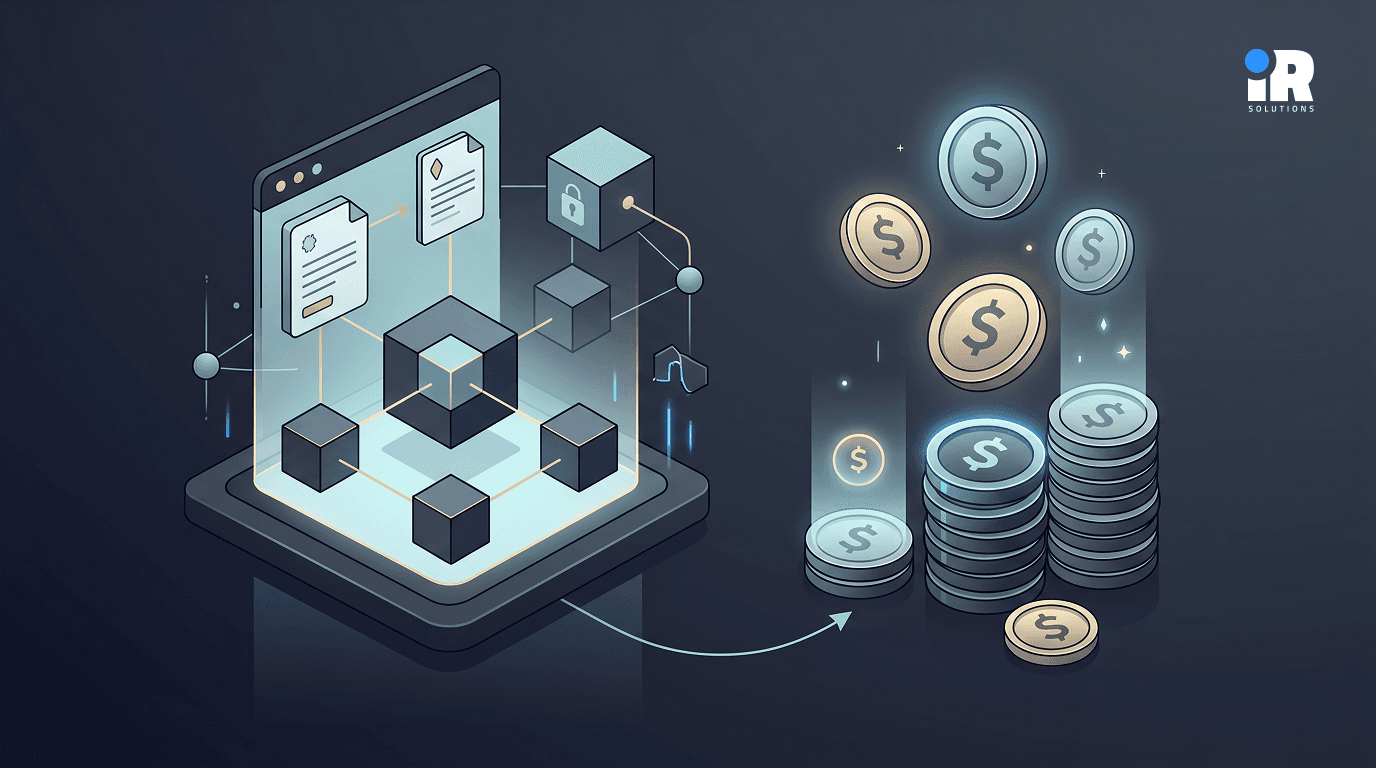
Next, token creation and smart contract deployment turn the legal ownership rights into digital tokens with rules for compliance, transfers, distributions, and governance. KYC and AML checks verify investor eligibility before tokens are issued or transferred, followed by investor onboarding, which provides access to wallets and platform tools.
After launch, trading and asset management continue through the asset’s lifecycle. Smart contracts can automate distributions, transfer compliance, and governance activities. For a detailed breakdown, our guide on how to tokenize assets explains each stage across different asset classes.
Core Technologies Behind Enterprise RWA Tokenization
Each technology in the stack serves a specific function. Understanding what each one does and why it matters helps enterprises evaluate development partners more accurately.
Blockchain Networks
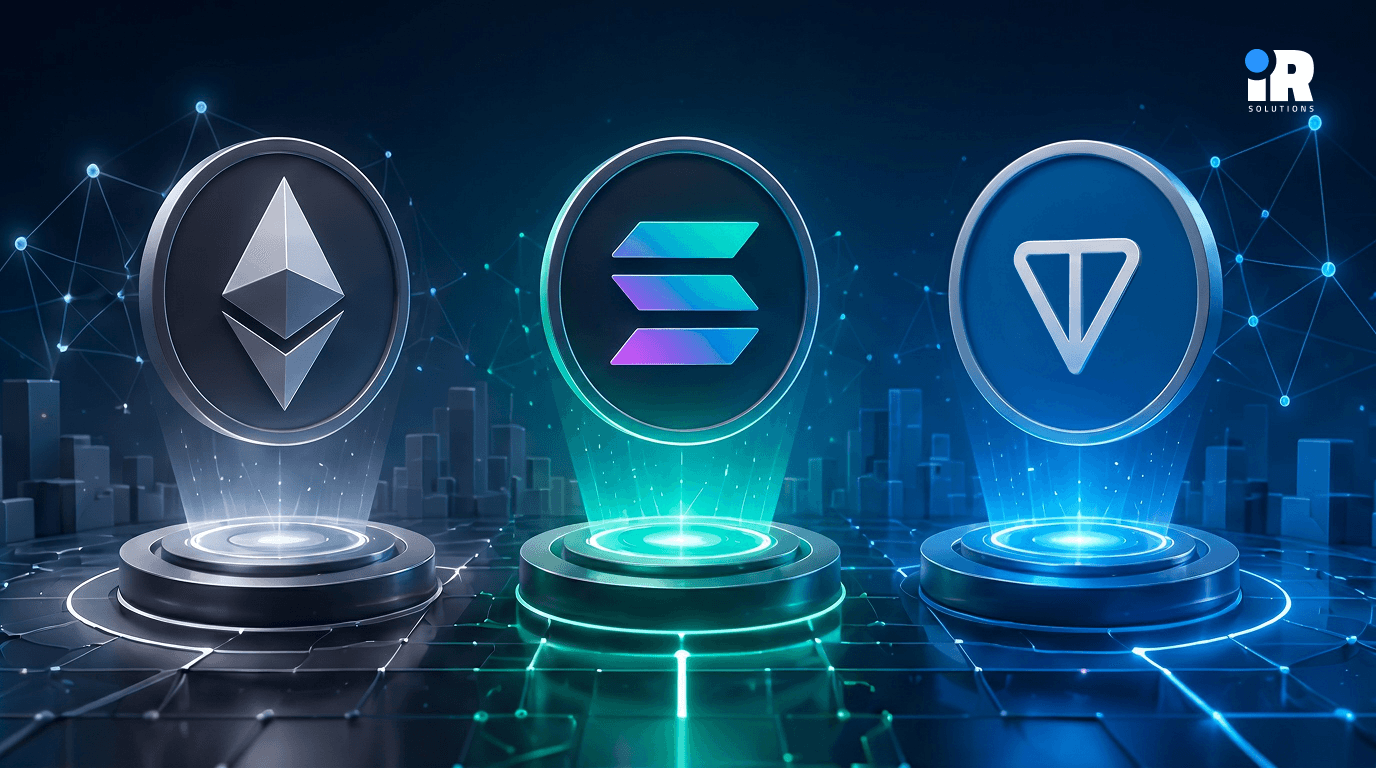
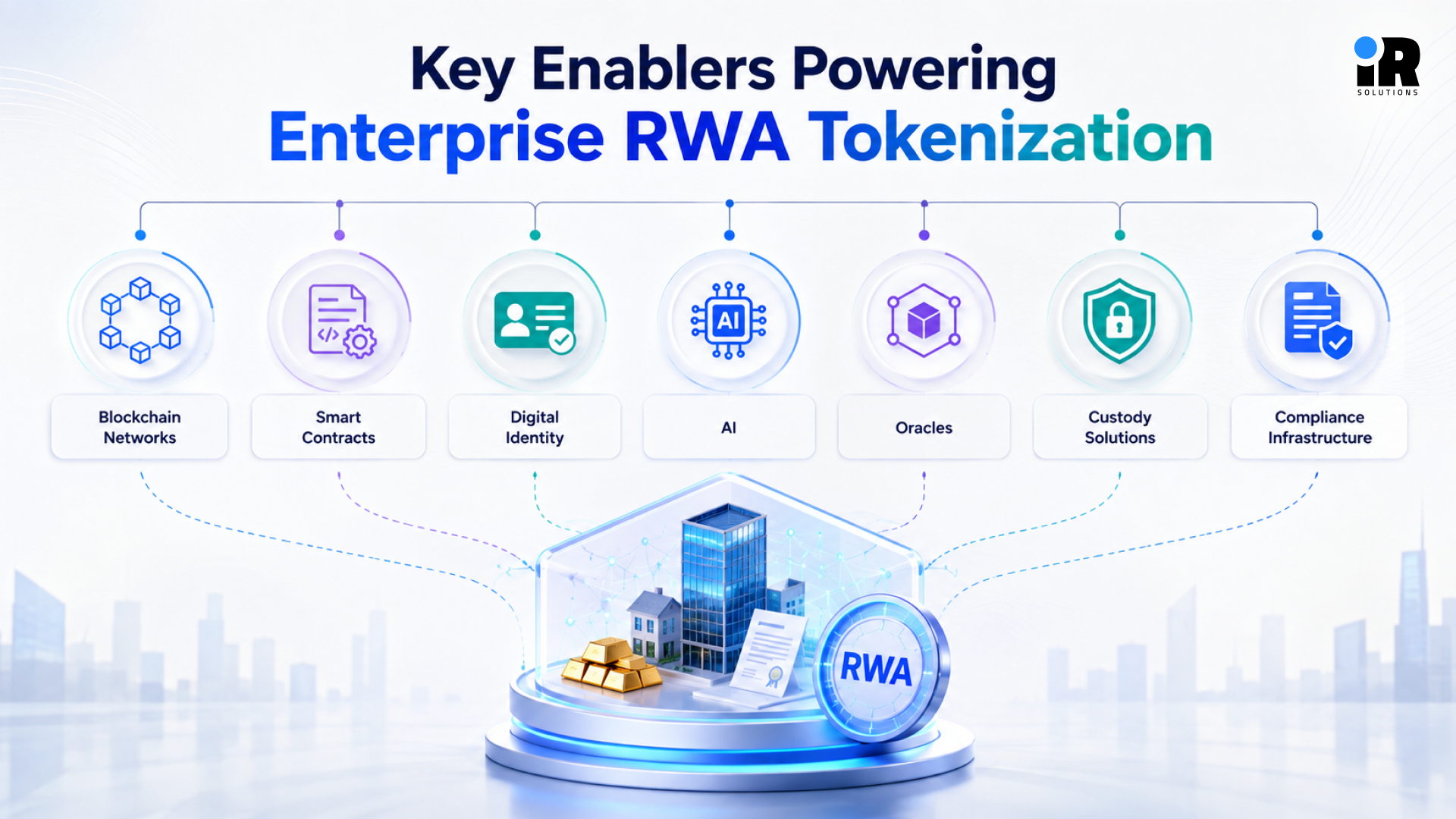
The settlement and record layer where all ownership changes, income distributions, and compliance events are stored permanently. Ethereum leads for institutional-grade tokenization. Polygon and Avalanche offer lower transaction costs for high-volume platforms.
Smart Contracts
The automated enforcement layer that governs token issuance, transfer restrictions, income distribution, and governance without manual processing at each event trigger throughout the asset's operational life.
Digital Identity
KYC and AML verification systems that confirm investor eligibility before tokens can be received or transferred, with verification status readable within the smart contract to enforce transfer restrictions automatically at the protocol level.
AI
AI-powered asset management, predictive compliance monitoring, and automated valuation updates are making tokenized platforms more operationally efficient than traditional asset management infrastructure at comparable scale.
Oracles
External data feeds that connect the smart contract system to real-world information including asset valuations, proof of reserve confirmations, and regulatory data that the contract needs to function accurately without trusting a single centralised data source.
Custody Solutions
Regulated custodians that hold the underlying assets and provide the legal and operational infrastructure connecting the off-chain asset to the on-chain token throughout the asset's full operational lifecycle.
Compliance Infrastructure
The combination of KYC providers, AML screening tools, transfer restriction logic, and regulatory reporting systems that ensure every aspect of the token offering meets the legal requirements of the jurisdictions where it operates. Enterprise platforms often use permissioned standards like ERC-3643 to automate KYC/AML checks and enforce transfer restrictions.
Challenges Enterprises Need to Address
Each challenge below is manageable with proper planning, but becomes significantly more expensive to address once the platform is live, with investor capital already committed.
Regulatory Compliance
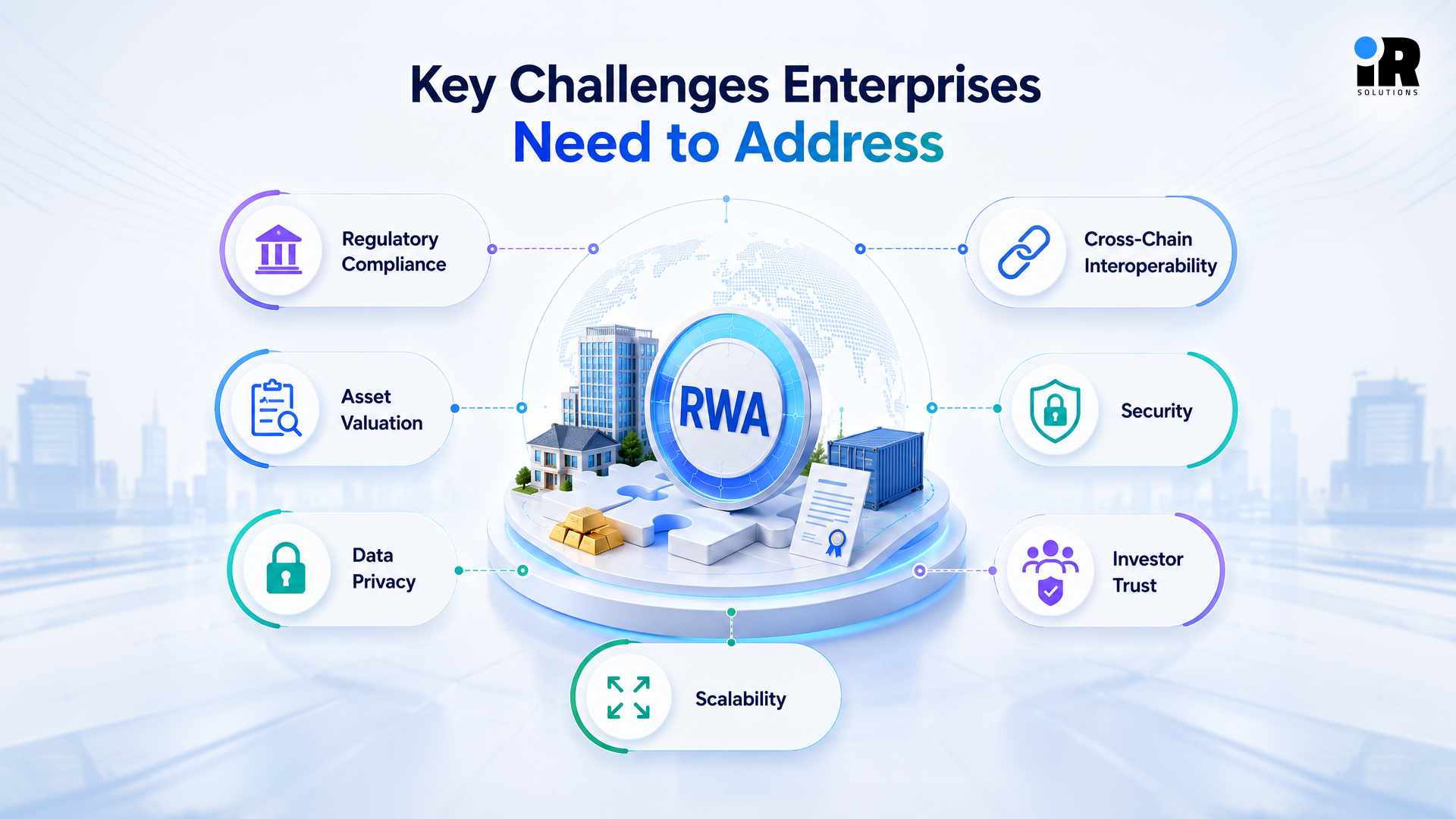
Token classification varies by jurisdiction and asset class. A structure that is compliant in one market may require significant modification to operate in another, which means legal preparation specific to each jurisdiction is essential before any technical development begins.
Asset Valuation
Ongoing valuation of tokenized assets for investor reporting requires periodic independent assessments that add operational cost and introduce a degree of subjectivity into token pricing that secondary market participants need to account for when making trading decisions.
Data Privacy
Investor data handled by the tokenization platform must comply with data protection regulations in every jurisdiction where investors are located, which requires privacy infrastructure that is designed from the start rather than retrofitted after the platform is live.
Cross-Chain Interoperability
Assets tokenized on one blockchain network may not be transferable or usable on another without bridge infrastructure that introduces additional security risk and operational complexity that must be assessed before the initial blockchain selection is made.
Security
Smart contract vulnerabilities, custody failures, and oracle manipulation all represent security risks that require independent auditing, robust testing, and ongoing monitoring rather than one-time fixes at the point of initial deployment.
Investor Trust
Retail and institutional investors unfamiliar with blockchain-based ownership need clear communication about how tokens work, how income is distributed, and what rights they carry before they are comfortable committing capital to a tokenized offering.
Scalability
Platforms that perform well at small investor counts may struggle to maintain performance and compliance enforcement as investor numbers, transaction volumes, and asset portfolio sizes grow beyond the scale the initial architecture was designed to support.
Enterprise Checklist Before Launching an RWA Tokenization Platform
Working through this checklist before development begins consistently reduces the cost and timeline of the build by preventing the most common and most expensive mistakes.
- Asset selection: Confirmed the asset has clear ownership, verifiable value, and sufficient investor demand to justify the tokenization cost.
- Jurisdiction: Identified the primary regulatory environment and confirmed the offering structure is compliant before any technical development begins.
- Compliance: Legal counsel with specific digital securities experience has reviewed the offering structure and confirmed the KYC and transfer restriction requirements for each target market.
- Custody: A regulated custodian has been engaged and the legal connection between the custodian's holdings and the on-chain token has been documented and verified.
- Smart contracts: The smart contract architecture has been designed, developed, and independently audited before any investor capital is exposed to it.
- Blockchain: The blockchain network has been selected based on the regulatory compatibility, transaction cost, and ecosystem depth that the specific offering requires rather than developer preference.
- Investor onboarding: The KYC process, wallet infrastructure, and investor portal are functional and tested before the token offering opens to any investor.
- Secondary marketplace: Secondary market access, exchange listings, or market-making arrangements have been confirmed before launch rather than treated as post-launch priorities.
How to Choose the Right RWA Tokenization Development Partner
The development partner decision is the single most consequential choice in an enterprise tokenization project because it determines the quality of every technical and compliance decision made throughout the build.
The right partner brings verified production experience with the specific asset class the project involves rather than general blockchain development credentials applied without relevant RWA context. They maintain established relationships with legal counsel specialising in digital securities, independent smart contract audit firms, and regulated custody providers rather than treating each of these as the enterprise's responsibility to source independently.
They define success in business metrics rather than technical metrics from the beginning of the engagement. Cost per transaction, compliance incidents per reporting period, and secondary market liquidity development are the numbers that matter to the enterprise and should anchor the engagement from the planning stage through deployment and ongoing optimisation.
A development partner that disappears after the initial launch is not providing the long-term infrastructure partnership that a tokenized asset system requires. Post-launch support, smart contract updates as regulations evolve, and ongoing performance monitoring should all be defined in the engagement structure before development begins rather than negotiated after the platform is live. This is the standard our RWA tokenization services are built around, engagement that continues well past the initial launch rather than ending at deployment.
Future Trends Shaping Enterprise RWA Tokenization Beyond 2026
Enterprise RWA tokenization is expected to move toward more automated, connected, and regulated financial infrastructure as institutional adoption grows. AI can support asset valuation, compliance monitoring, and investor reporting, while tokenized treasuries and stablecoin-based settlement can make on-chain financial transactions more efficient.
Interoperability and institutional DeFi are also likely to become more important. Improved cross-chain infrastructure could allow tokenized assets to move across different blockchain networks, while regulated DeFi solutions may combine blockchain efficiency with institutional compliance requirements. Digital identity systems could also make investor verification easier by allowing verified credentials to be reused across multiple platforms.
As regulations become clearer, tokenized securities could become a common way to issue and manage equities, bonds, and investment funds. CBDC integration may provide another settlement option where central bank digital currencies are available. At the same time, programmable finance and automated compliance could allow tokenized assets to handle distributions, reinvestments, portfolio adjustments, and regulatory checks with less manual intervention.
Conclusion
Enterprise RWA tokenization is not a future-state technology investment. It is a present-state commercial decision with measurable business outcomes including improved liquidity, reduced operational costs, expanded investor access, and new revenue models that traditional asset management infrastructure cannot replicate at comparable efficiency or scale.
The enterprises making this investment successfully are the ones that approach it with a clear asset strategy, proper legal preparation in each jurisdiction where they intend to operate, an independently audited technical build, and a development partner with verified production experience rather than theoretical capability. The gap between those that get this right and those that do not will continue to widen as the market matures and the advantages of early, properly executed adoption compound over time.
Frequently Asked Questions
What is enterprise RWA tokenization?
Enterprise RWA tokenization is the process of converting ownership rights in real-world assets into digital tokens on a blockchain, enabling enterprises to issue, manage, and trade those assets with greater efficiency, liquidity, and global accessibility than traditional ownership structures provide.
Why are enterprises adopting RWA tokenization in 2026?
Because regulatory clarity, enterprise blockchain infrastructure, institutional investor appetite, and AI integration have matured simultaneously in a way that makes the commercial case for tokenization compelling rather than speculative for enterprises that can execute the build correctly.
Which assets can businesses tokenize?
Real estate, bonds, private equity, commodities, gold, carbon credits, intellectual property, infrastructure assets, and collectibles can all be tokenized when they have verifiable ownership, a measurable value, and sufficient investor demand to justify the development and compliance investment.
Is RWA tokenization legally compliant?
Yes, when properly structured under the securities regulations of each jurisdiction where the offering will be distributed. Frameworks like MiCA in the EU and Reg D or Reg A+ in the US provide established compliance pathways, though multi-jurisdiction offerings require specific legal preparation for each market.
Which blockchain is best for enterprise asset tokenization?
Ethereum leads for institutional-grade tokenization due to its compliance tooling and ecosystem depth. Polygon and Avalanche offer lower transaction costs and specific technical features that suit certain asset classes and investor audiences at scale.
How much does enterprise RWA tokenization cost?
Development costs typically range from $40,000 to $250,000 or more depending on asset class, compliance requirements, feature depth, and whether the enterprise chooses a custom build or white-label platform.
How long does it take to build an RWA tokenization platform?
A straightforward single-jurisdiction platform typically takes three to nine months from initial planning through to live token offering, with legal preparation and smart contract auditing representing the longest stages in most project timelines.
What industries benefit most from RWA tokenization?
Real estate, financial services, private equity, commodities, infrastructure development, and carbon markets are currently seeing the strongest enterprise adoption because their asset classes combine high value, limited traditional liquidity, and strong institutional investor demand.
What role do smart contracts play in enterprise tokenization?
Smart contracts automate token issuance, compliance checks on every transfer, income distribution, governance processes, and settlement without manual intermediary involvement at each event, which is what allows tokenized platforms to scale without proportional increases in operational headcount.
Can AI improve enterprise asset tokenization?
Yes. AI improves asset valuation accuracy, automates compliance monitoring, optimises send timing and investor communication, identifies churn risk in investor bases, and enables predictive management of tokenized asset portfolios in ways that manual processes cannot replicate at the same speed or scale.