

Key Takeaways
- Retention means keeping buyers engaged after their first order so they buy again.
- Repeat customers can help increase revenue through additional orders, referrals, and long-term relationships with your business.
- A good product and honest service come first, before any loyalty campaign can work.
- Personalized emails, rewards, helpful support, and regular feedback all help keep customers around longer.
- The best plan depends on your product and how long customers usually wait to reorder.
- Track repeat orders and lifetime value, because email opens alone never prove retention is working.
A shopper buys from your store once, likes the product, and then never comes back again. It happens every day, and often the reason has nothing to do with your price. The sale looked like a success on your report, yet the relationship ended the same day.
Sometimes customers don't return because they haven't heard from the business since their first order. They may need help using the product, a reminder to reorder, or a reason to visit the store again.
This is where customer retention strategies can help. By staying in touch after a purchase, businesses have more opportunities to build trust and encourage repeat orders.
You do not need big budgets or endless discount codes to begin working on it. A thank-you email, a helpful guide, and a fast reply to a complaint can already change the result. Small steps like these respect the buyer's time, which is why people respond to them so well.
Below, we'll look at practical ways to keep customers coming back, the numbers worth tracking, and the small changes that can make a difference. If you're running an online store, our guide to 6 Key Email Marketing Flows for Ecommerce Growth explains how different emails can support customers throughout their buying journey.
What Is Customer Retention?
It is a business's ability to keep customers buying, renewing, or staying connected over time. The goal is to give customers a good reason to continue choosing your business instead of switching to another brand. This applies to shops, software tools, clinics, and service firms, since every one of them wants people to stay.
A good retention plan focuses on improving the customer experience, encouraging repeat purchases, and building stronger relationships over time. It should also build stronger loyalty, raise the total value of each relationship, and turn happy buyers into advocates. Those advocates recommend you, leave reviews, and bring in friends who then become paying customers too.
Retention vs Acquisition
Both ideas matter, but they solve two very different problems for a growing business like yours. Acquisition brings a brand new customer through the door with ads, search, social posts, or a sales call. Retention keeps that same person engaged after the first purchase so the relationship does not end there. A business that only chases new buyers must keep paying for attention every single month. Retention helps you earn more from customers you already paid to win, which makes your marketing spend work harder.
Retention vs Loyalty
Understanding customer retention and loyalty as separate ideas helps you plan better rewards and messages. Retention simply means that a customer keeps buying from your business over a period of time. Loyalty goes further, because the person prefers your brand and is happy to recommend it to others. A repeat buyer is not automatically a loyal fan, since some people simply return for price or convenience. Both matter, yet they need different tools, so treat them as connected goals rather than identical ones.
Why Retention Matters for Revenue Growth
Customer retention can increase revenue by encouraging existing customers to buy again. It can also help businesses get more value from their marketing budget and reduce their dependence on constantly finding new buyers.
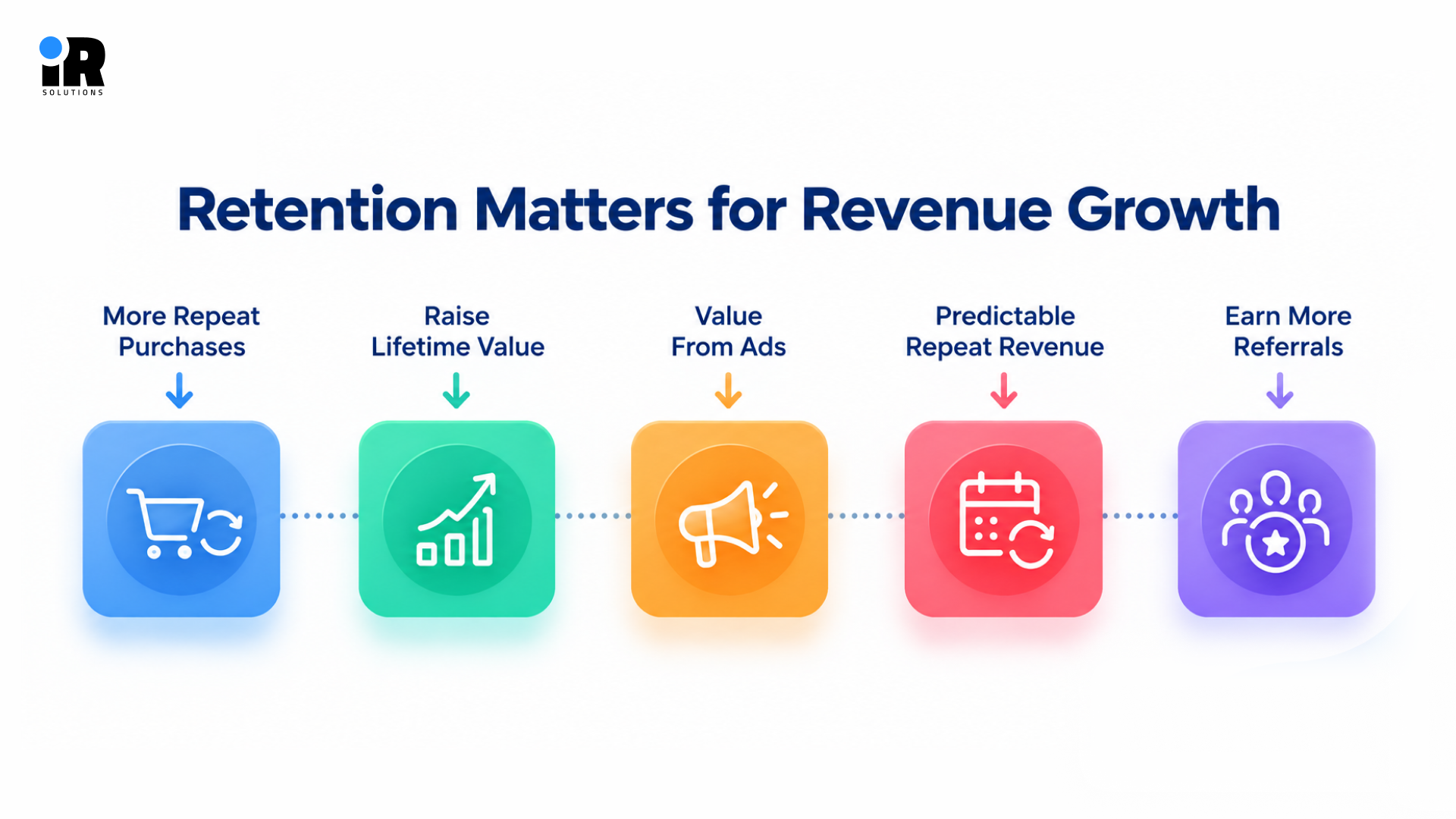
More Repeat Purchases
A customer who orders again creates new revenue from a relationship you have already built. The move from first purchase to second purchase is the most important step in the journey. Once someone buys twice, they have shown trust and are often more likely to keep buying.
Raise Lifetime Value
Customers who stay longer and buy more often can bring greater total value over the whole relationship. This is known as customer lifetime value, but remember that not every repeat order is profitable. Always check costs, discounts, and returns before you decide where extra effort will pay off most.
Value From Ads
Businesses pay for new customers through ads, search, social media, influencers, sales teams, and partnerships. Retention gives you more chances to earn revenue after that costly first sale has already happened. Even a small lift in repeat buying can change how quickly your advertising spend pays itself back.
Predictable Repeat Revenue
Some businesses earn repeat income naturally because their products get used up or replaced on a regular schedule. Think of consumables, beauty products, food, pet supplies, subscriptions, and other items people replace often. Repurchase potential differs by business, so a furniture store should not expect the pattern a coffee seller sees.
Earn More Referrals
Happy customers talk, and their words often carry more weight than any advertisement you could pay for. They recommend you to friends, post reviews, and share photos that help new buyers feel safe choosing you. Positive reviews work like a small sales page that keeps selling for you every single day.
How to Measure Retention Properly
Before making changes, look at how often customers return and how much they spend over time. A few basic customer retention metrics can help you understand what's working and where customers may be losing interest.
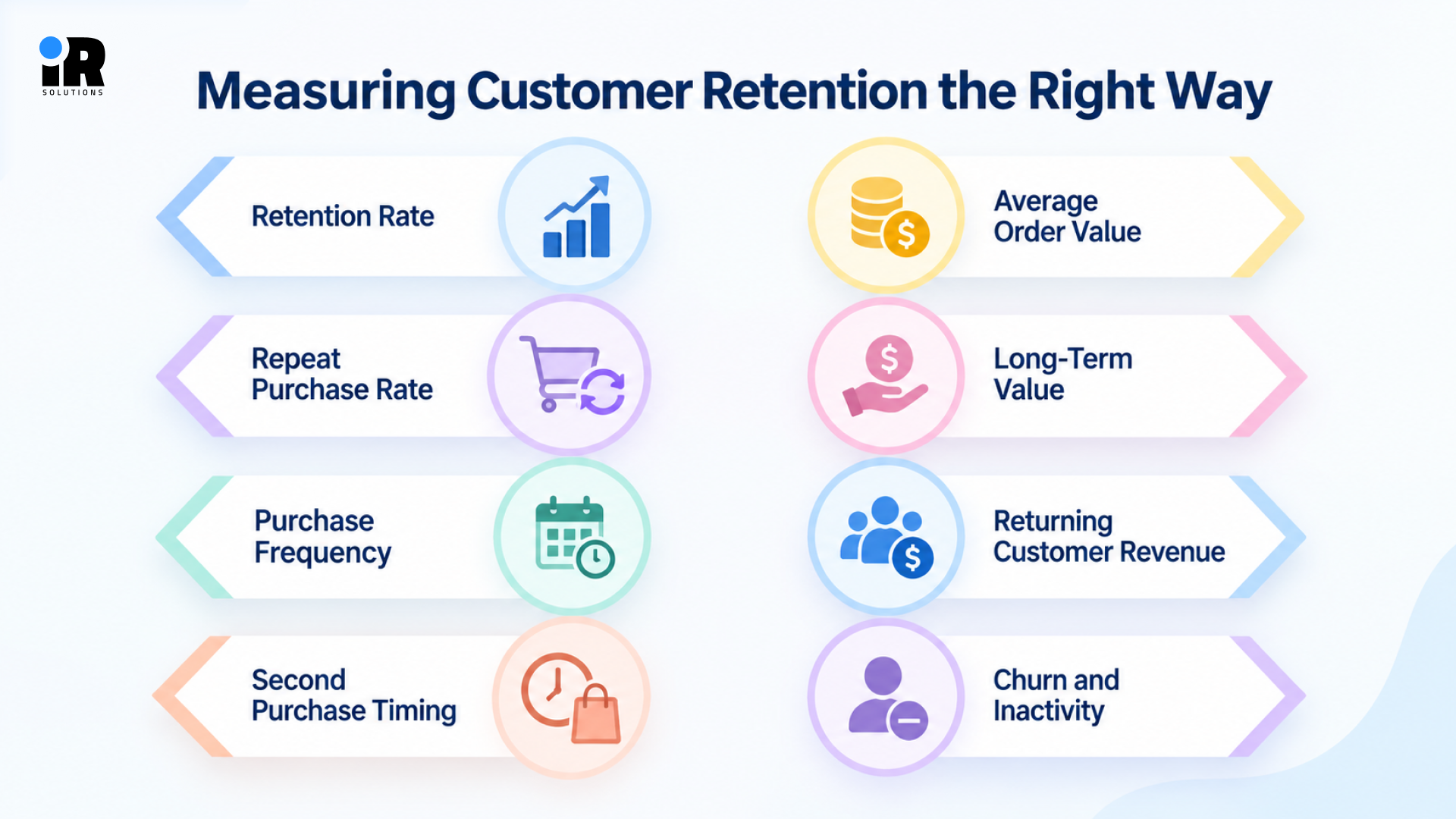
Retention Rate
Your customer retention rate shows the share of customers you kept during a set period.
Use this formula: Retention Rate = ((Customers at End − New Customers Acquired) ÷ Customers at Start) × 100.
If you began with 200 customers, ended with 220, and added 40 new ones, your rate is 90 percent.
Repeat Purchase Rate
This number shows the percentage of customers who come back and buy at least one more time. It is especially useful for online stores and any business that depends on repeat orders. A low repeat purchase rate could mean customers were unhappy with their first order, didn't receive a useful follow-up, or simply don't need to buy the product again yet.
Repeat Purchase Rate = (Customers Who Purchased More Than Once ÷ Total Unique Customers) × 100
For example, if 300 customers placed orders during a month and 60 of them made more than one purchase, the repeat purchase rate would be 20%.
Purchase Frequency
Purchase frequency tells you how many times a typical customer buys within a clear and defined period. Compare it across months or customer groups to see who is buying often and who is slipping. Compare purchase frequency over time to see whether customers are ordering more or less often. Keep your normal buying cycle in mind, since some products are purchased every week while others may only be needed once a year.
Second Purchase Timing
Ask one simple question: how long does a first-time customer normally wait before buying again? Your answer guides follow-up timing, product suggestions, replenishment reminders, and the right moment to win people back. Check the typical number of days between a customer's first and second order. The median can be useful because a few customers who take much longer to return won't affect it as much as the average.
Average Order Value (AOV)
Average order value tells you how much customers spend per order. Calculate it by dividing total order revenue by the number of orders during the same period. Tracking this alongside repeat purchases can help you understand whether returning customers are spending more or less over time.
Long-Term Value
This number explains the long-term value a person creates throughout their entire relationship with your business. Understanding customer lifetime value helps you decide how much you can reasonably spend on attracting and retaining customers. Remember to consider profit margins, returns, and marketing costs alongside revenue. Calculate it by customer group, because newsletter subscribers, discount shoppers, and loyal members rarely behave in the same way.
Returning Customer Revenue
This metric shows how much revenue comes from customers who have purchased from your business before. Compare it with your total revenue to understand how much existing customers contribute to your sales.
Churn and Inactivity
Do not label every customer inactive after the same number of days, because buying cycles differ widely. A coffee buyer may return within weeks, while someone buying furniture might wait several years between orders. Set your own inactivity window for each product type, then send a gentle win-back message once a customer passes it.
Email opens and clicks can help you understand how people interact with your campaigns, but they don't tell you whether customers are buying again. Look at repeat purchases, returning customer revenue, and customer lifetime value to understand the business results.
To test what makes people open and buy again, read our guide on ecommerce email A/B testing.
10 Ways to Keep Customers and Grow Revenue
There are several ways to encourage customers to return, from improving their first order to sending useful reminders. Here are ten customer retention strategies you can choose from based on what your business sells and how often people buy.
Strategy | Retention Goal | Revenue Opportunity |
Improve first experience | Earn trust | Second purchase |
Stay connected after purchase | Keep relationship active | Repeat orders |
Personalize communication | Increase relevance | More conversions |
Make reordering easy | Remove friction | Repeat purchases |
Build loyalty | Reward repeat behavior | Higher frequency |
Educate customers | Increase product value | Reorders and cross-sell |
Cross-sell relevant products | Expand relationship | Additional revenue |
Improve support | Prevent avoidable churn | Protect revenue |
Ask for feedback | Find retention problems | Reduce churn |
Win back inactive customers | Recover relationships | Recovered revenue |
1. Make the First Customer Experience Worth Repeating
Retention starts the moment the first order is placed, not weeks later when a campaign goes out. A good first order gives customers a reason to trust you with the next one.
Deliver What You Promised
Product quality, accurate descriptions, fair pricing, on-time delivery, tidy packaging, and stock availability all shape the first impression. Good marketing won't make up for poor product quality or unreliable service. If customers receive something different from what they expected, they may decide not to order again.
Keep Customers Informed
People feel calm when they know what is happening, so send order confirmations, shipping updates, and delivery details. Service businesses should share progress updates and clear next steps in exactly the same helpful and timely way. Silence after payment makes buyers nervous and can lead to cancellations, chargebacks, and unhappy reviews.
Make Problem Solving Easy
Online stores need a clear return policy, simple exchanges, and fast answers when something goes wrong with an order. Service companies need easy access to support, clear next steps, and simple ways to fix any issue. Fixing problems quickly shows buyers that you care, and that care is remembered long after the order.
2. Stay Connected After the First Purchase
Staying in touch after a purchase gives customers another opportunity to engage with your business. Email can help you share order updates, product tips, and relevant recommendations without asking customers to buy something every time.
Do Not End at the Sale
A simple follow-up sequence can include several useful messages sent over the weeks after someone completes a purchase.
- Thank You: A short and warm note shows appreciation and tells the buyer exactly what will happen next with the order.
- Usage Tips: Share care instructions, helpful resources, and easy tips so people enjoy the product from the first day.
- Review Request: Ask for honest feedback after delivery, once the customer has had enough time to use the item.
- Relevant Picks: Suggest products or services that match what the person bought rather than random items from your catalog.
Focus on the Second Purchase
The goal should not always be another sale right away, because pushing too early can feel annoying. Help the customer enjoy the first order, then give a relevant reason to come back. Choose your follow-up timing based on the product and when customers are likely to use it. For example, a skincare brand might send usage instructions shortly after delivery, while a furniture store could send assembly or care tips.
Automate Lifecycle Messages
Email automation can make follow-ups easier to manage. You can set up messages based on actions such as placing an order, joining a loyalty program, or going longer than usual without buying. Examples include post-purchase, replenishment, review request, loyalty, and win-back messages that run without manual work each week. Keep every email short, friendly, and focused on one clear idea so people actually read it.
3. Personalize the Customer Experience
People respond to messages that feel written for them, not to the same blast sent to everyone. A little relevance goes a long way when most inboxes are already crowded with promotions.
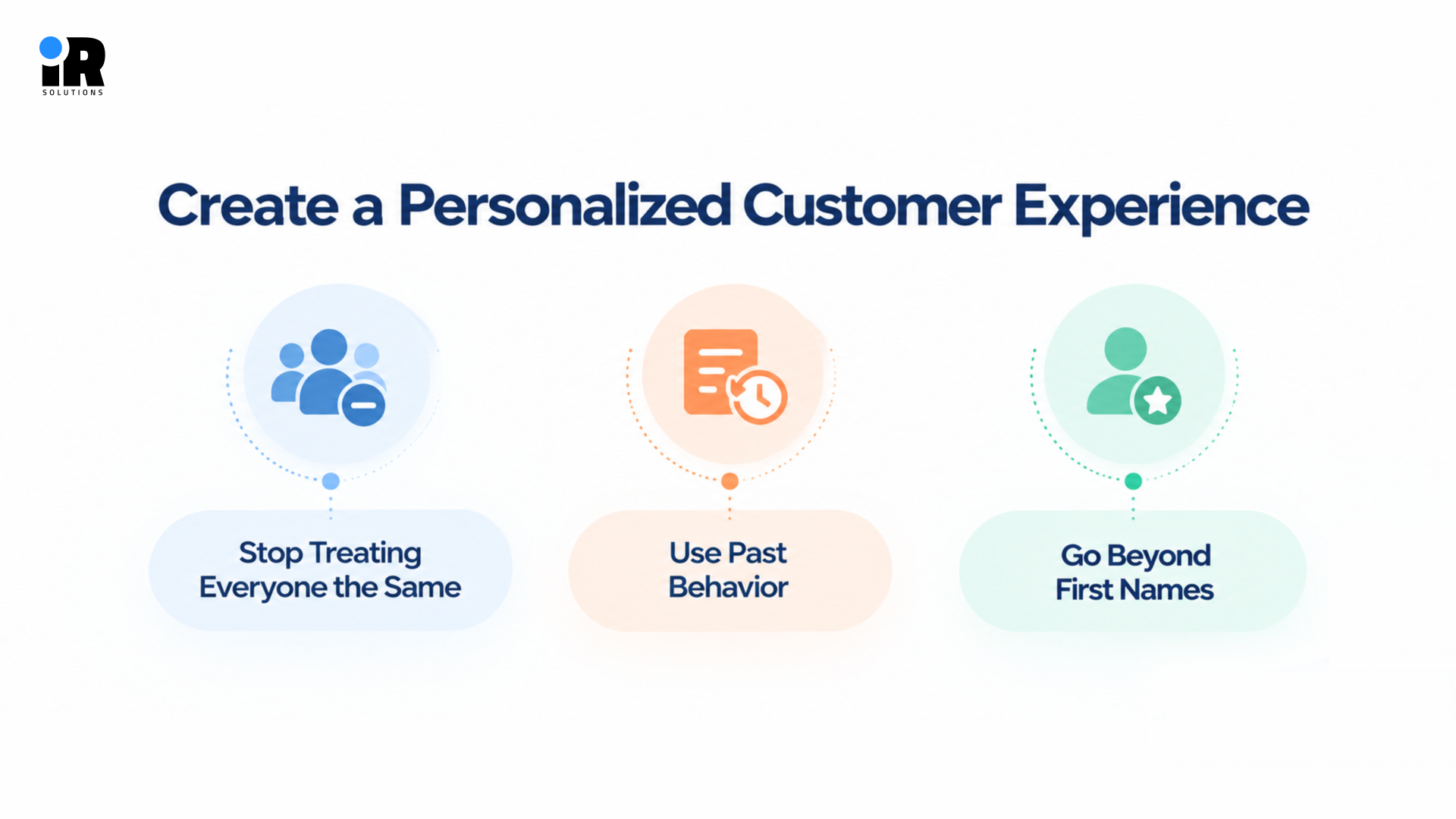
Stop Treating Everyone the Same
Split your audience by first-time or repeat buyers, products bought, services used, purchase frequency, value, and interests. Each group has different needs, so each group deserves a slightly different message from you. You don't need to create dozens of customer groups. Start with first-time buyers, repeat customers, and people who haven't purchased recently. Then adjust your messages based on how each group responds.
Use Past Behavior
Imagine a customer buys a coffee machine from your store, and then waits for your next email. Useful follow-ups include filters, coffee beans, cleaning products, accessories, and usage tips, not an unrelated store-wide promotion. Test one change at a time, such as a new product block, so you can see what works.
Go Beyond First Names
Personalization is more than adding someone's name to an email. Think about what they bought, what they might need next, and when a message would actually be helpful.
4. Make It Easy to Buy Again
Even happy customers drift away when reordering feels slow, confusing, or much harder than it should be. If you are asking how to increase repeat purchases, start by making the next order effortless for everyone.
Reduce Friction
Small conveniences remove the little obstacles that quietly stop people from placing a second order with you.
- Saved Accounts: Let returning customers use saved shipping details, preferences, and payment options for faster, easier checkout.
- One-Click Reorder: Previous orders should be easy to find, with a clear button that repeats the same purchase.
Mobile shoppers especially value fast reordering, because typing details on a small screen quickly becomes tiresome. Review your checkout flow often, since one unnecessary field can cost you a returning buyer. If your store needs improvements, working with experienced ecommerce developers can help you fix checkout issues and make shopping easier for returning customers.
Replenishment Reminders
Reminders work well for coffee, skincare, supplements, pet products, and household items that run out on a schedule. Base the timing on how long the product normally lasts, not on a date that suits your calendar.
Subscriptions Where They Fit
Subscriptions can support loyalty when the product is something people use up and need again regularly. Offer subscriptions when customers are likely to need the same product regularly. Make delivery schedules, payment terms, and cancellation options easy to understand.
5. Build a Loyalty Program People Want to Use
A rewards program only works when customers understand it quickly and feel the benefits are actually worth having. The best customer loyalty strategies reward real behavior instead of giving away discounts to everyone.
Reward Valuable Behavior
Offer points or perks for repeat purchases, spending milestones, referrals, reviews, and even customer anniversaries. Choose rewards that make sense for both your customers and your business. For example, you could offer points after a purchase, a free gift after several orders, or a small reward for a successful referral.
Keep It Simple
Members should be able to see four things at all times without searching or asking support for help.
- Earning Rules: Clearly define what customers earn for each action, so no one feels confused or tricked later.
- Reward Choices: Let people know what the rewards are so they can decide what they want to work toward.
- Redeeming Steps: Make redemption simple, with one step at checkout, instead of codes hidden in old emails.
- Progress Tracking: Display how close each member is to the next reward. Visible progress keeps people motivated.
First of all, you want a simple rewards system that is easy to understand and easy to manage. Add more benefits when customers use the program, and you will see the rewards are worth it.
Offer More Than Discounts
Free shipping, exclusive products, early access, VIP treatment, small gifts, and member events can feel more special than coupons. Rewards don’t always have to be discounts. Free delivery, early access to products, and small gifts also appeal to customers. Look at the rewards being used by people and the cost of these versus the repeat purchases they generate.
6. Educate Customers So They Get More Value
Education is a smart way to keep buyers happy, and many businesses overlook it completely. Customers who know how to use a product properly tend to stay happier with it for longer.
Help Customers Use Their Purchase
Provide setup instructions, step-by-step guides, quick tips, video tutorials, FAQs, and simple care guides after every purchase. Strong customer engagement and retention often begin with teaching people how to enjoy what they bought.
Solve Problems Early
Your support inbox shows exactly where people feel lost, so read it often and write guides for common questions. Short answers usually beat long manuals, so keep each guide focused on one task your customer faces. A short video that shows setup can prevent returns and angry messages before they ever begin.
Create Natural Reorders
Helpful product information can also lead to future orders. For example, a coffee machine seller could share cleaning instructions and explain when customers might need replacement filters. This gives buyers useful information while introducing products they may need later.
Product education is also included in Shopify's customer retention guide as a way to support existing customers.
7. Cross-Sell Products That Actually Fit
A good recommendation feels like advice from someone who knows what you need. A bad one feels like a sales pitch. The difference usually comes down to whether the offer makes sense for what the customer already bought.
Build on the Last Purchase
Someone who bought a laptop may welcome a protective case, but not an unrelated clearance item. Always connect the next offer to what the customer already owns or has shown interest in. Use your order data to find products that customers often buy together over time. Bundles can also make the purchase simpler, because customers no longer need to compare options.
Choose the Right Time
Customers need time to receive, use, and understand their first purchase before another offer makes any sense. Use past purchase data to understand when customers usually order again. You can then test sending product recommendations around that time, while making sure the suggestions still match what each customer needs.
Think Customer Value
A cross-sell should solve another real need, not just make the order total look bigger. Recommend products that solve a real problem or make the original purchase more useful. Customers are more likely to consider an additional item when they understand why they need it. Do not turn your retention work into constant upselling, because tired customers soon stop opening your messages.
8. Make Support Part of Your Plan
Good customer support gives people another reason to trust your business. When an order goes wrong, customers want a clear answer and a fair solution. Responding quickly and resolving the problem can improve their experience and make them more willing to buy again.
Resolve Problems Quickly
Customers are far less patient with a slow, careless reply than with the mistake itself. Set clear response targets and let your team fix common issues on the spot. Listen first, apologize sincerely, then solve the problem, and track how long fixes take.
Make Support Easy to Reach
Offer the channels your customers actually prefer, which depends on your business and your audience.
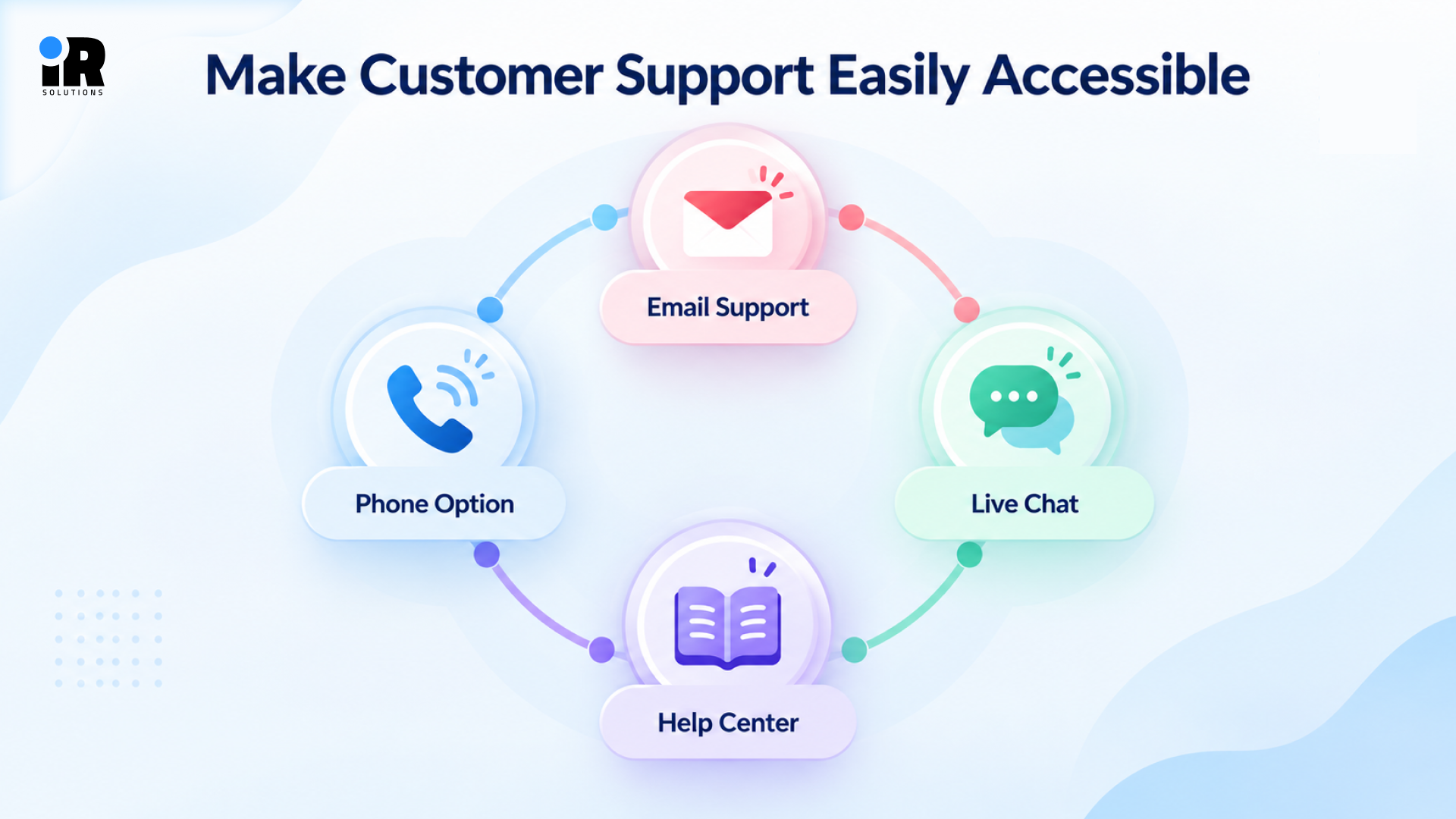
- Email Support: Reply within a clear time limit and write like a real person who wants to help.
- Live Chat: Chat answers simple questions fast, especially while shoppers are still browsing or checking an order.
- Help Center: A searchable library of answers lets customers solve small problems by themselves at any hour of the day.
- Phone Option: Some buyers still want to speak to a person, particularly for expensive or urgent matters.
Learn From Support Issues
Repeated customer questions often reveal gaps in product instructions, shipping, sizing, billing, returns, or product expectations. Don’t run another marketing campaign, fix the stuff that’s annoying your customers. Fixing these problems improves their experience and gives them another reason to come back.
9. Collect Feedback and Act on It
Feedback shows why people stay or leave, but only if you act on what you hear. Asking is the easy part. The real value comes from using the answers to change something and letting customers know you did.
Ask at Useful Moments
Good moments to ask include after purchase, after delivery, after a support chat, and after a return. You can also ask for feedback when customers cancel a subscription or stop ordering. Keep your questions short and relevant. For example, ask whether they were satisfied with their purchase, if anything went wrong, and what you could improve.
Look Beyond Surveys
Reviews, support conversations, returns, complaints, email replies, and survey responses all hold clues about how customers feel. Comparing these sources helps you spot patterns that a single survey would never show you.
Close the Loop
Ask, find the pattern, fix the problem, and tell customers what changed. Feedback that leads to no action wastes their time and hurts trust. Share the changes on your website or by email so they can see the result.
10. Win Back Customers Before You Lose Them
Some customers stop buying without telling you why. They may have found another store, had a poor experience, or no longer need the product. Looking at their purchase history can help you decide when to follow up and what kind of message might be useful.
Define Inactivity by Behavior
Do not use the same period of inactivity for each customer. If someone buys coffee once a fortnight, then he has a different buying pattern than someone who buys furniture once every few years. Use normal purchase frequency, product lifecycle, and each person's own past behavior to decide who has gone quiet.
Give a Reason to Return
These can be new products, tailored recommendations, stocking, helpful material, loyalty offers, or a well-designed incentive. Begin with something relevant, like a product restock, a helpful suggestion, or an update on an item they already bought. If it is appropriate for your business, you can test a discount at a later time.
Do Not Lead With Discounts
People may stop buying because they have no current need, had a bad experience, or felt confused. Irrelevant messages can also push them away, so price is only one possible reason among several. Test your timing as well, because a reminder sent too early can feel like unwanted pressure.
Know When to Stop
Long-term inactive contacts should not receive endless messages that they clearly no longer want or read. Lower the frequency or suppress them, which also protects your sender reputation and email deliverability.
Customer retention can support revenue growth in several ways. Existing customers may place more orders, buy related products, or recommend your business to others. The important thing is to focus on purchases that are valuable for both the customer and your business. Track repeat sales alongside costs and profit to see whether your retention efforts are paying off.
How Email Marketing Supports Retention
Email marketing is a great way for businesses to connect with customers after the initial sale. You can send a more useful message to customers based on order history, customer interests, and so on, rather than promoting the same offer to all customers.
For instance, an online skin care company can send usage advice after shipment and suggest a recommended product a few weeks later, and remind the customer to reorder when the product might be running low.
You don't have to create all email campaigns at once. Start with a post-purchase sequence and see how customers respond. If it is running, you might want to add in replenishment reminders or win-back emails.
Start with a few emails that match what your customers need after buying. Once you have some results, check whether your messages are reaching the right people and giving them a useful reason to return. Our article on common email marketing mistakes covers issues that can affect engagement, repeat purchases, and revenue.
Conclusion
Customer retention is about giving people a reason to choose your business again. A good product, reliable service, and a smooth shopping experience can make that decision easier. When customers feel satisfied with their first purchase, they are more likely to return.
You don't need to use every customer retention strategy at once. Look at what your customers need most. Some may benefit from helpful product guides, while others might appreciate loyalty rewards, easier reordering, or better customer support. Choose the changes that make sense for your business and see how customers respond.
Pay attention to where customers lose interest. Are they leaving after their first purchase? Are they waiting longer than usual to order again? Or are they having problems with your service? Use these insights to improve their experience and remove the reasons they might leave.
The goal is to make every purchase worth repeating. When customers have a good reason to come back, your business has more opportunities to earn repeat revenue and build lasting relationships.
Frequently Asked Questions
What are the main ways to keep customers coming back?
They are planned actions that keep buyers engaged after the first purchase, such as follow-up emails, rewards, education, and support. Each action gives the customer a good reason to return instead of drifting toward a competitor.
Why does retention matter for revenue?
Returning customers create more orders from a relationship that you already paid to build and earn. They can also spend more over time, leave reviews, and refer friends who become new customers.
What are some simple examples?
Good ones include post-purchase emails, replenishment reminders, loyalty rewards, helpful product guides, fast support, and win-back messages. Choose the few that best fit your product, your customers, and your normal buying cycle first.
How do you work out your retention percentage?
Subtract new customers from your end total, divide the result by your starting customers, and multiply by one hundred. The formula and a worked example appear earlier in this guide, in the measuring section.
How can businesses keep more of their buyers?
Start by improving the first experience, then follow up with useful emails and make reordering simple. Fix problems found in support chats and reviews before adding any new campaign on top.
How does email help keep customers?
Email lets behavior trigger messages such as thank-yous, tips, reminders, recommendations, and win-back offers at the right time. Each customer receives something relevant to their own history, rather than the same promotion as everybody else.
How can I get people to order again?
Make the next order easy with saved accounts, one-click reorders, replenishment reminders, and relevant product suggestions. Send each one at the moment your own sales data shows that people normally buy again.
What is a good retention rate?
It depends on your industry, product, and buying cycle, so no single number suits every business. Compare your rate with your own past results first, then aim to beat those numbers steadily.
What is the difference between retention and loyalty?
Retention means a customer continues to buy, while loyalty means the person prefers your brand and recommends it. A repeat buyer can keep buying without ever becoming a true advocate for your business or brand.