


Key Takeaways
- Direct mail helps businesses reach customers through personalized and memorable physical marketing.
- Choosing the right audience, format, offer, and message is essential for campaign success.
- Personalization and customer segmentation can make direct mail more relevant and effective.
- QR codes, promo codes, landing pages, and tracking links make campaign results easier to measure.
- Combining direct mail with email and SMS can create a stronger and more connected customer experience.
Digital marketing gives ecommerce brands many ways to reach customers, but getting attention is becoming more difficult. Customers move between crowded inboxes, social media feeds, and online ads every day, while rising acquisition costs make each new customer more expensive to reach.
Direct mail offers a different way to connect with these customers. Instead of competing for attention on a screen, brands can place a physical message directly in the customer's hands or mailbox. Postcards, letters, catalogs, and other mail pieces can also include personalised offers that encourage customers to return and make another purchase.
The channel also continues to produce measurable results. The Association of National Advertisers reports that direct mail can achieve an 80 to 90 percent open rate and a 112 percent ROI. These results show why physical mail still has a place alongside modern digital marketing.
This guide covers everything you need to build a direct mail strategy. You will learn about different mail formats, personalisation, campaign best practices, costs, and ways to measure your return.
What Is Direct Mail Marketing?
Direct mail marketing is a way of promoting your business by sending physical marketing materials directly to customers or potential customers through the mail.
These materials can include postcards, letters, brochures, catalogs, flyers, packages, and other printed pieces. The idea is simple. Instead of asking people to notice your brand on a screen, you put something from your business directly into their hands.
Direct mail is a type of direct marketing because the message is sent to a specific customer or group of prospects. Businesses use it for different purposes, such as attracting new customers, bringing back inactive buyers, promoting special offers, and staying connected with existing customers.
What makes direct mail useful is that it can work alongside digital channels such as email, SMS, social media, and paid advertising. When used properly, it gives businesses another way to reach customers and create a more personal connection with their brand.
How Does Direct Mail Marketing Work?
Direct mail marketing works by sending a targeted physical message to selected customers or prospects with a clear offer and response method.
First, choose your audience and create a clean mailing list based on factors such as purchase history, location, or engagement. Then, select a format such as a postcard, letter, brochure, or catalog and add your offer, personalisation, and tracking details.
Send the mail through a postal or mailing service and give recipients an easy way to respond, such as a QR code, landing page, phone number, or promo code. Finally, measure response rates, conversions, acquisition costs, and ROI to improve future campaigns.
What Are the Different Types of Direct Mail Marketing?
Direct mail comes in many formats, and the right choice depends on your audience, campaign goal, message, and budget. Some formats are better for quick promotions, while others give you more space to explain an offer or create a memorable experience.
Postcards
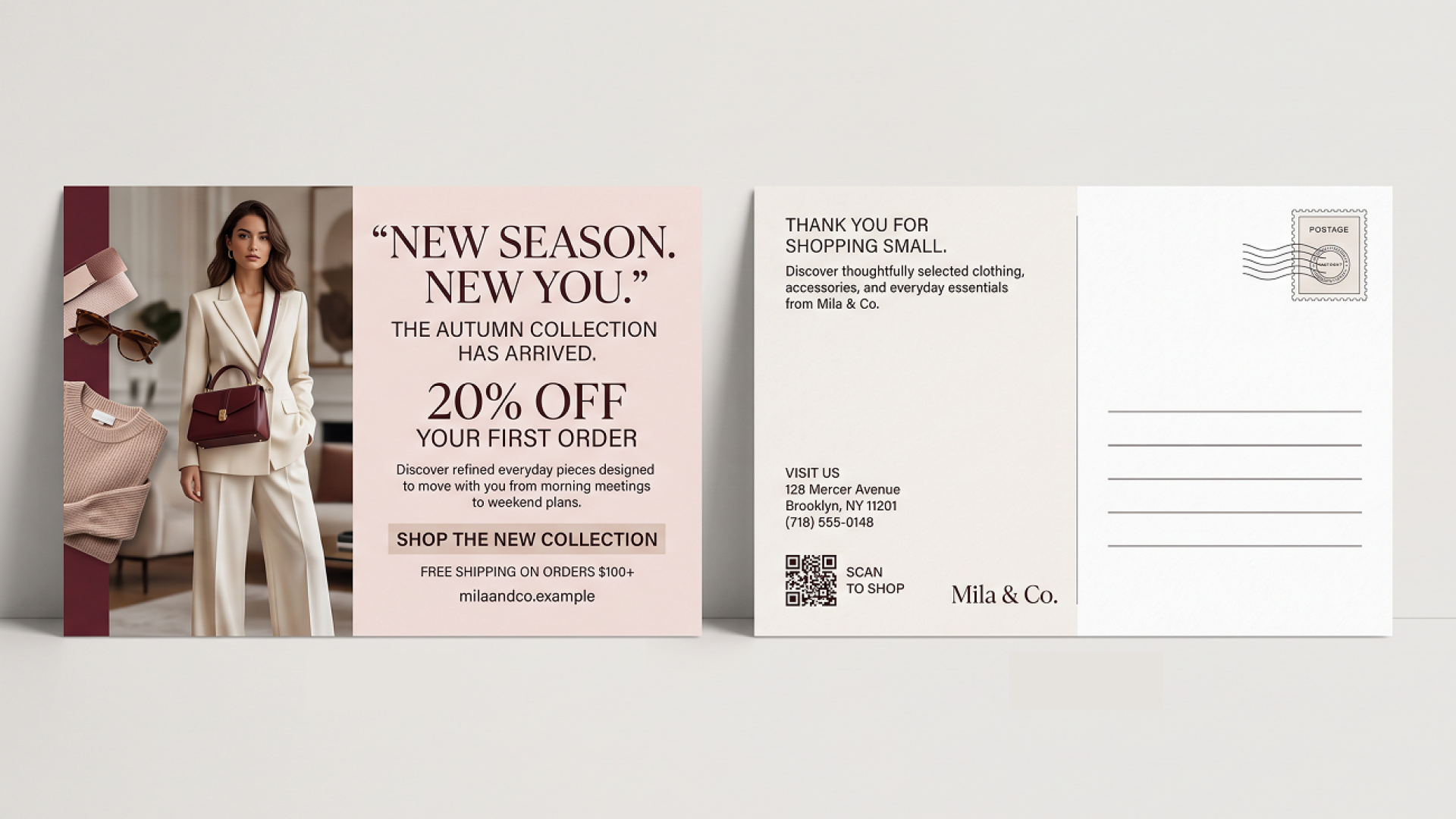
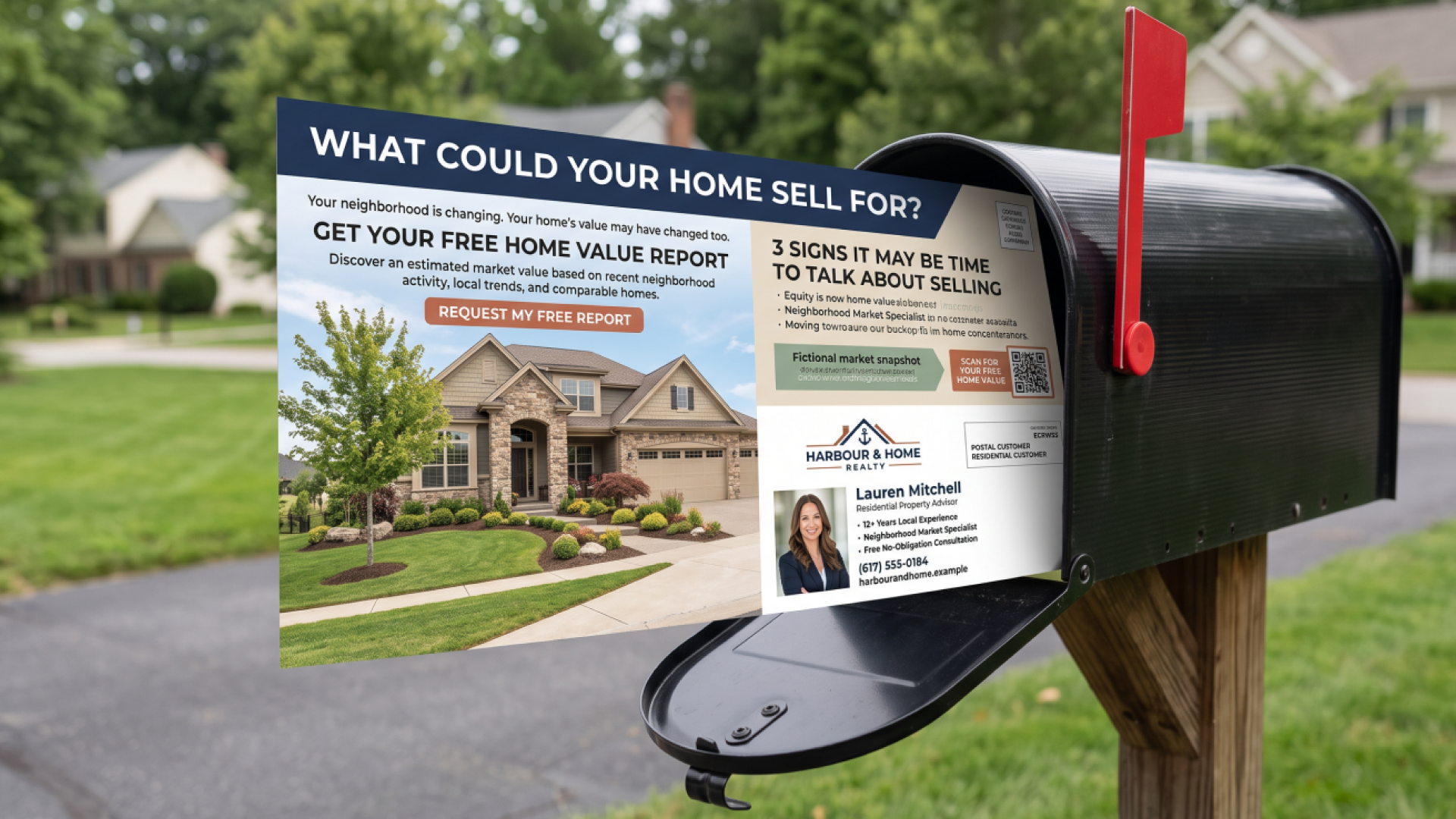
Postcards are simple, affordable, and easy to read because there is no envelope to open. They work well for sales, seasonal offers, event announcements, new product launches, and other messages that need to get to the point quickly.
Letters
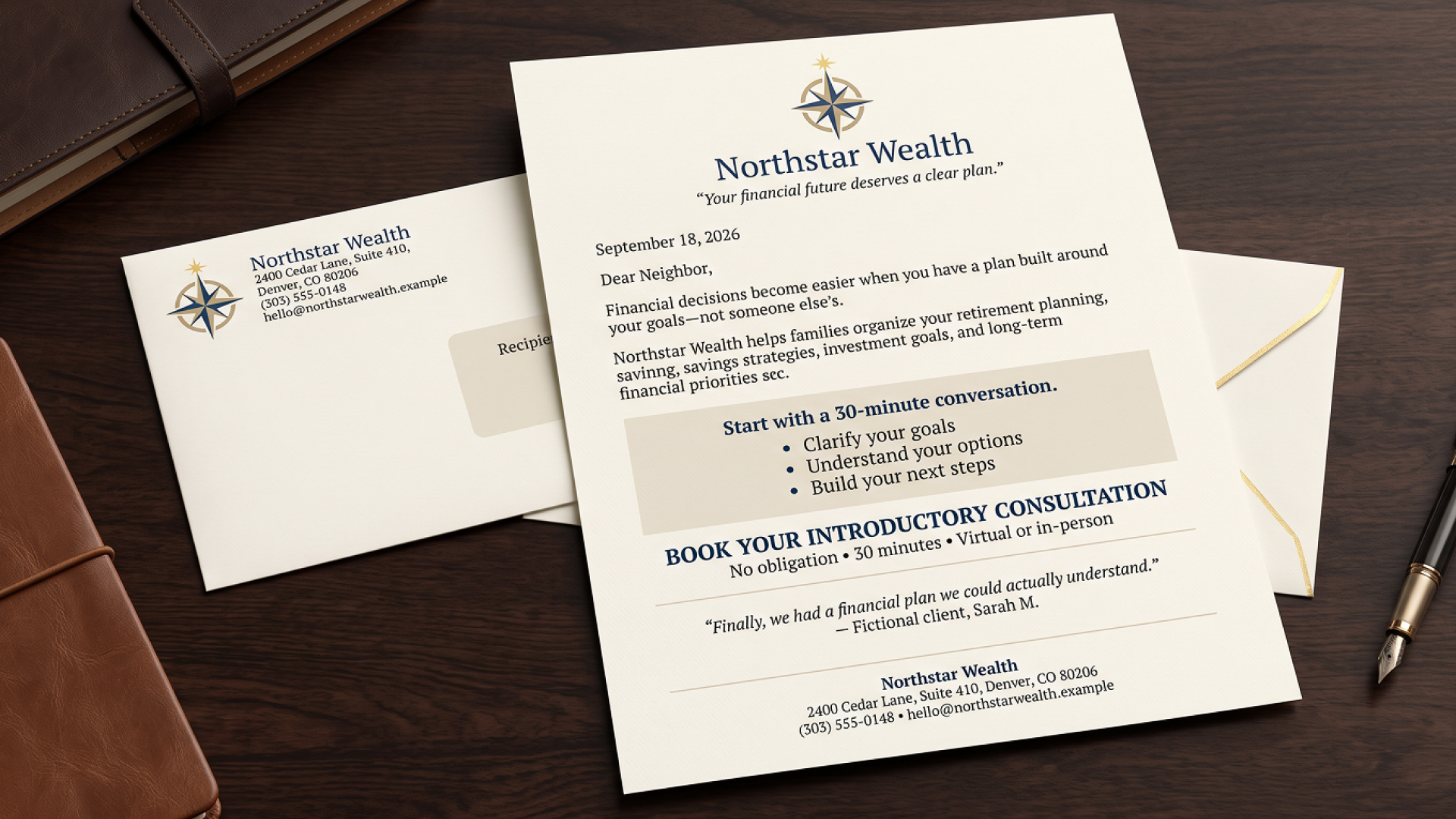
Letters offer a more personal and professional way to communicate with customers. They are useful when you need more space to explain an offer, share important information, ask for donations, or encourage customers to renew a service.
Brochures
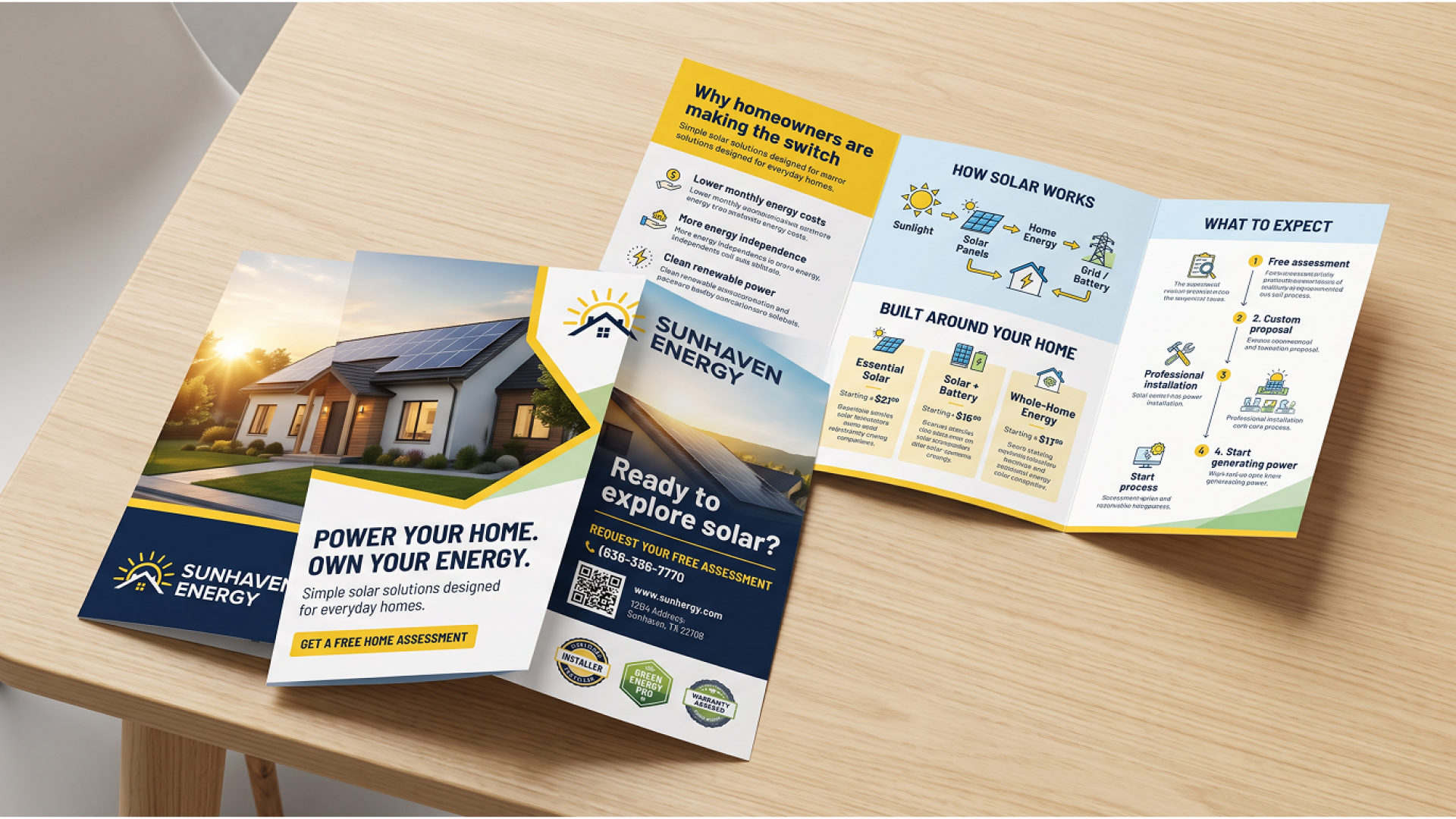
Brochures give businesses more room to present their products or services. You can use them to explain features, show images, include pricing, answer common questions, and guide readers toward a specific action.
Catalogs
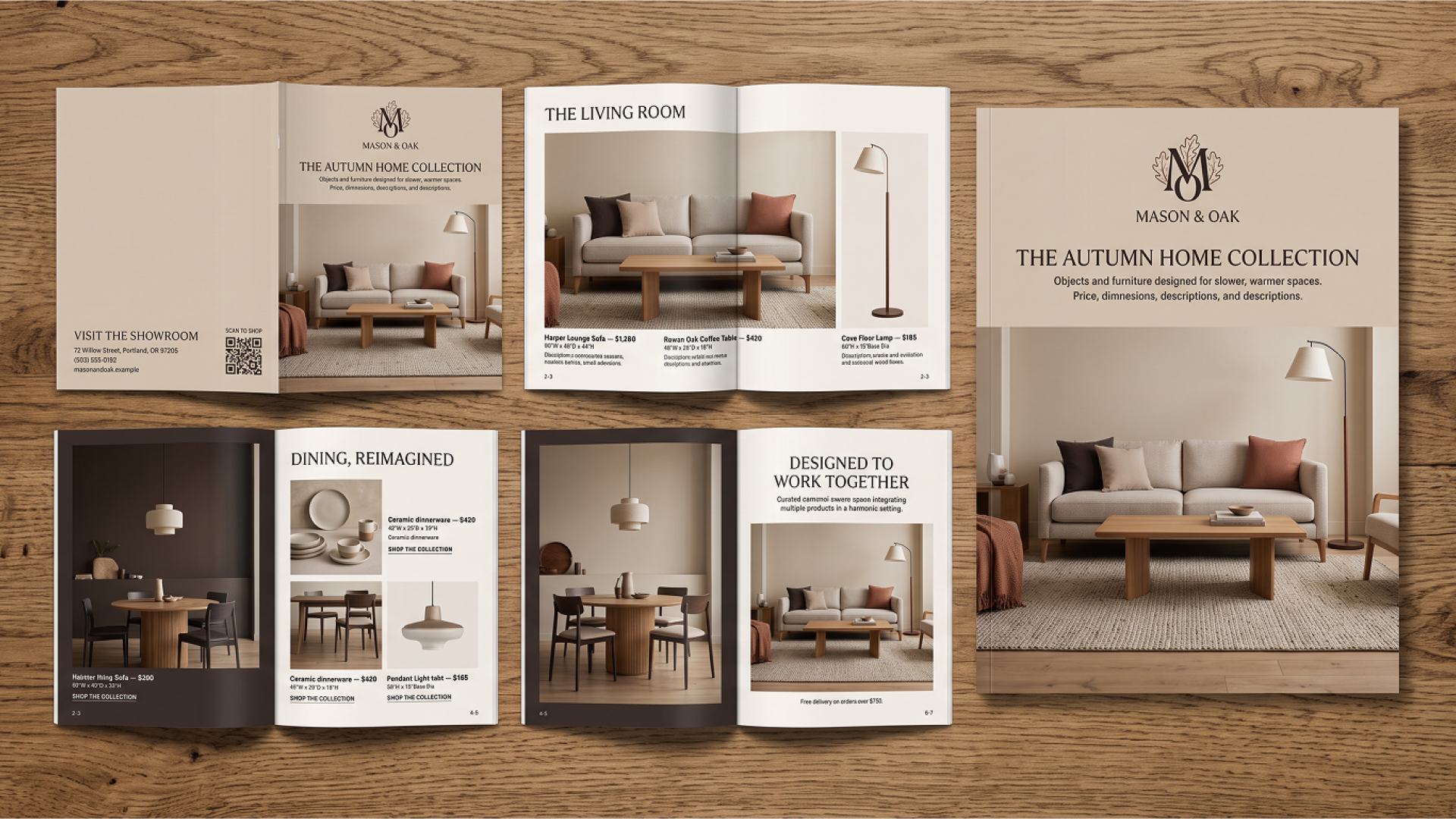
Catalogs allow customers to browse a wider range of products in one place. They are commonly used by retailers and product-based businesses that want customers to spend more time looking through their offerings.
Flyers
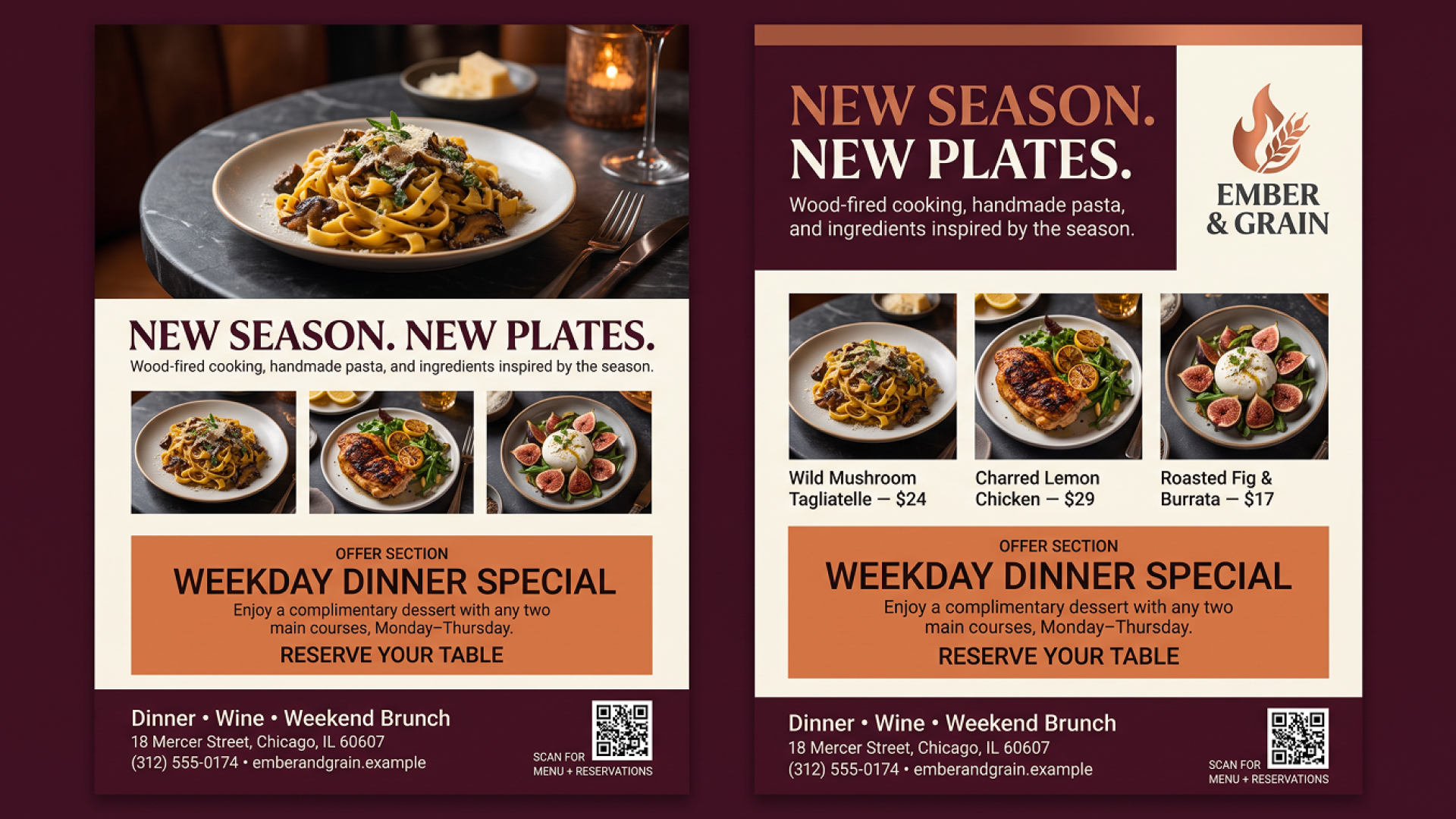
Flyers are a low-cost option for promoting local sales, events, openings, special offers, or new services. They are especially useful when you want to reach people within a specific local area without creating a more detailed mail piece.
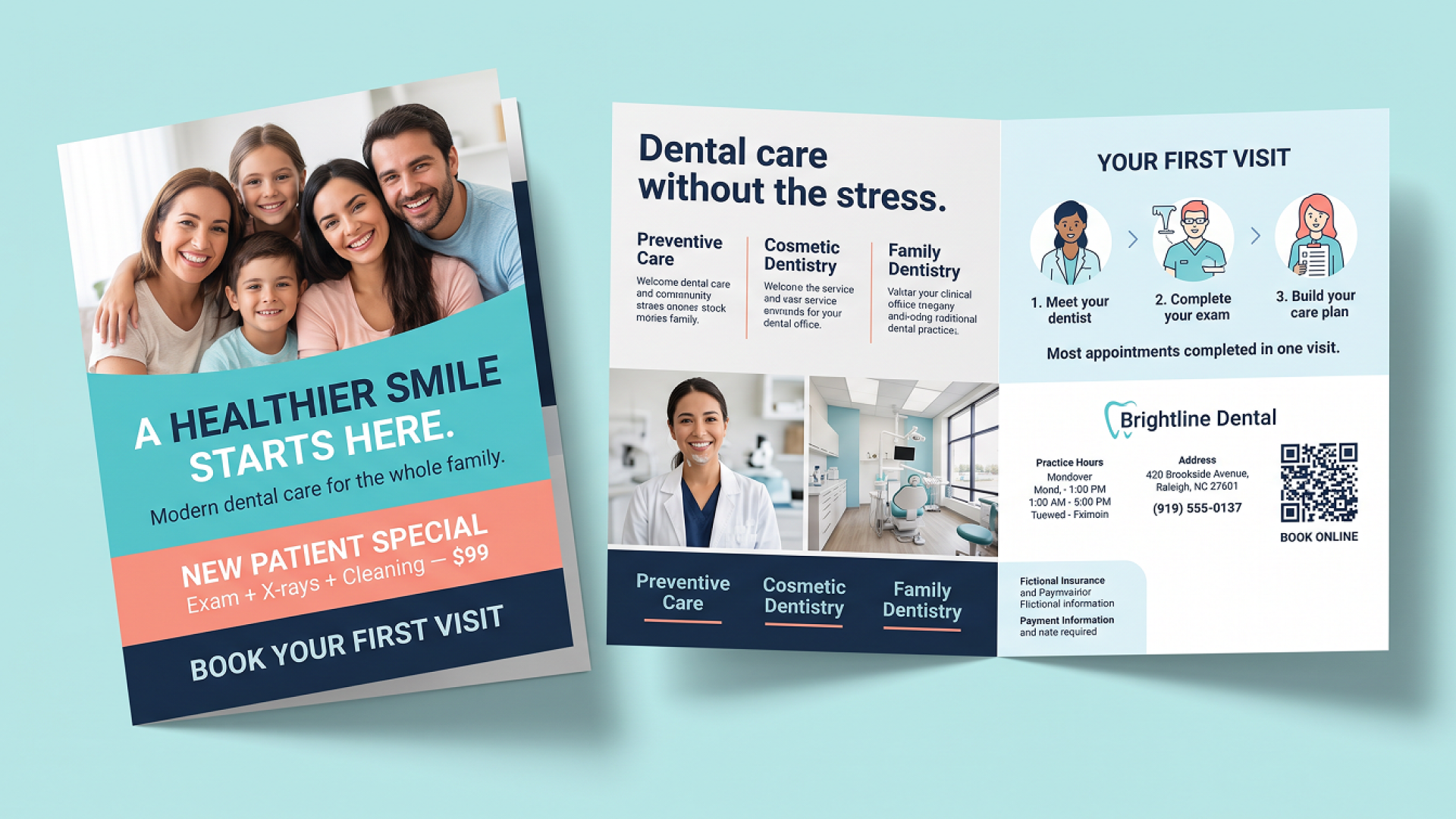
Self Mailers
Self mailers are printed pieces that are folded and mailed without needing a separate envelope. They can include postcards, brochures, and small booklets, making them a practical choice for businesses that want more space than a postcard without the extra cost of an envelope.
Dimensional Mailers
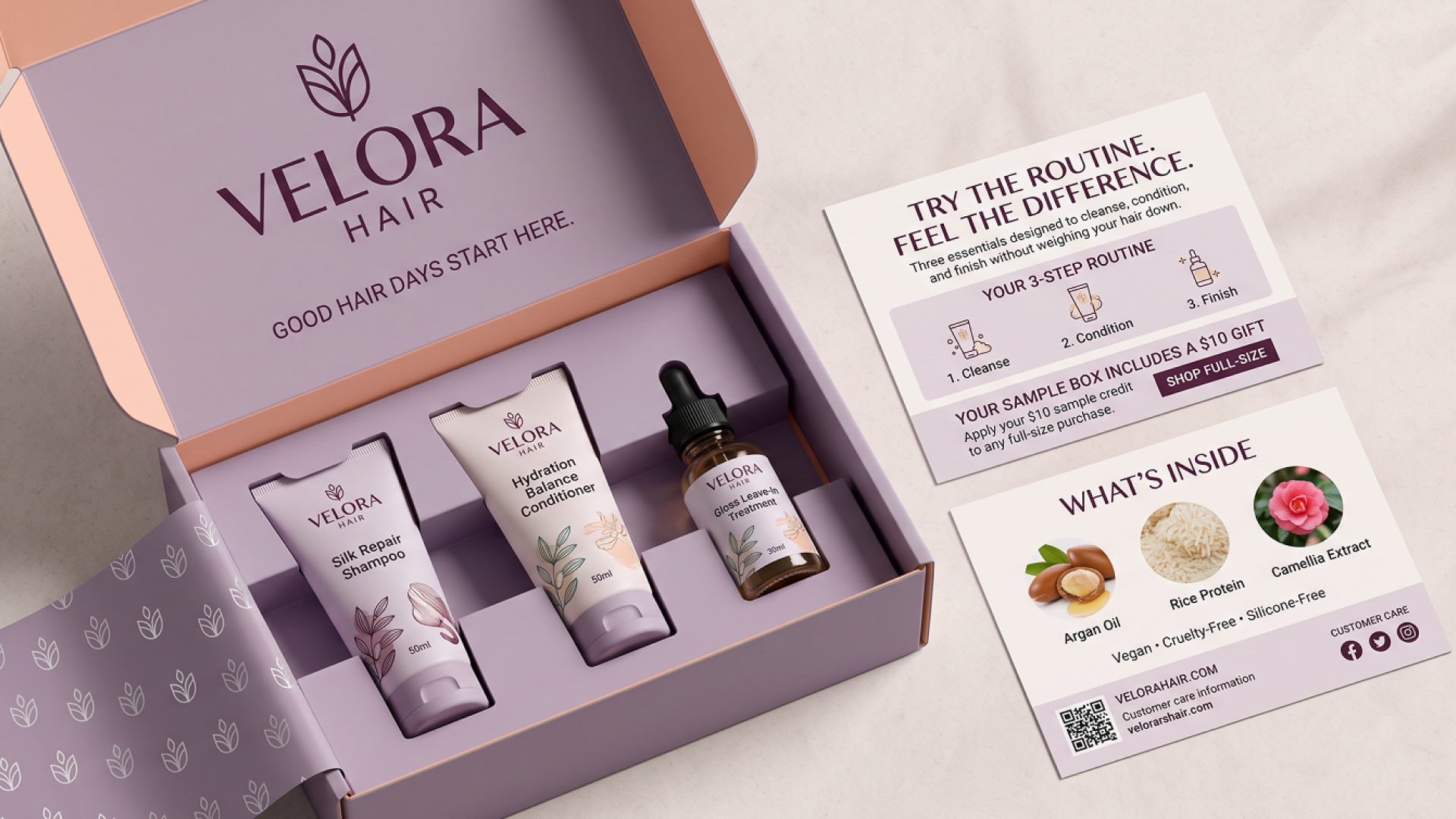
Dimensional mailers use physical shapes, boxes, unusual designs, or other elements that make the package stand out. They usually cost more to produce and send, but they can be worth considering when you are targeting high-value prospects or important business clients.
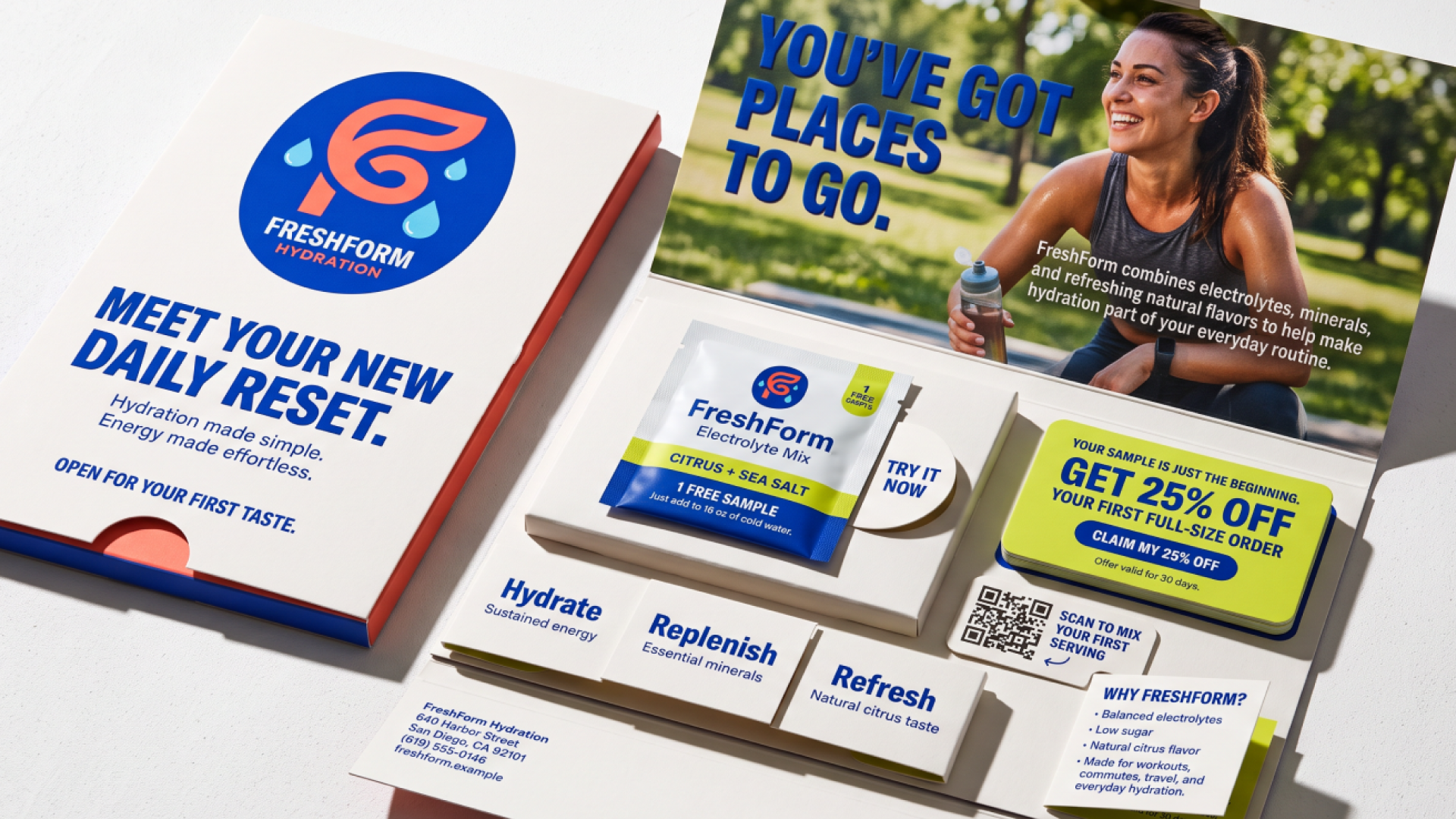
Packages and Product Samples
Packages and product samples give customers something physical to experience rather than simply read about. A free sample, small gift, or product package can make the campaign feel more personal and is often useful for attracting new customers or bringing back inactive ones.
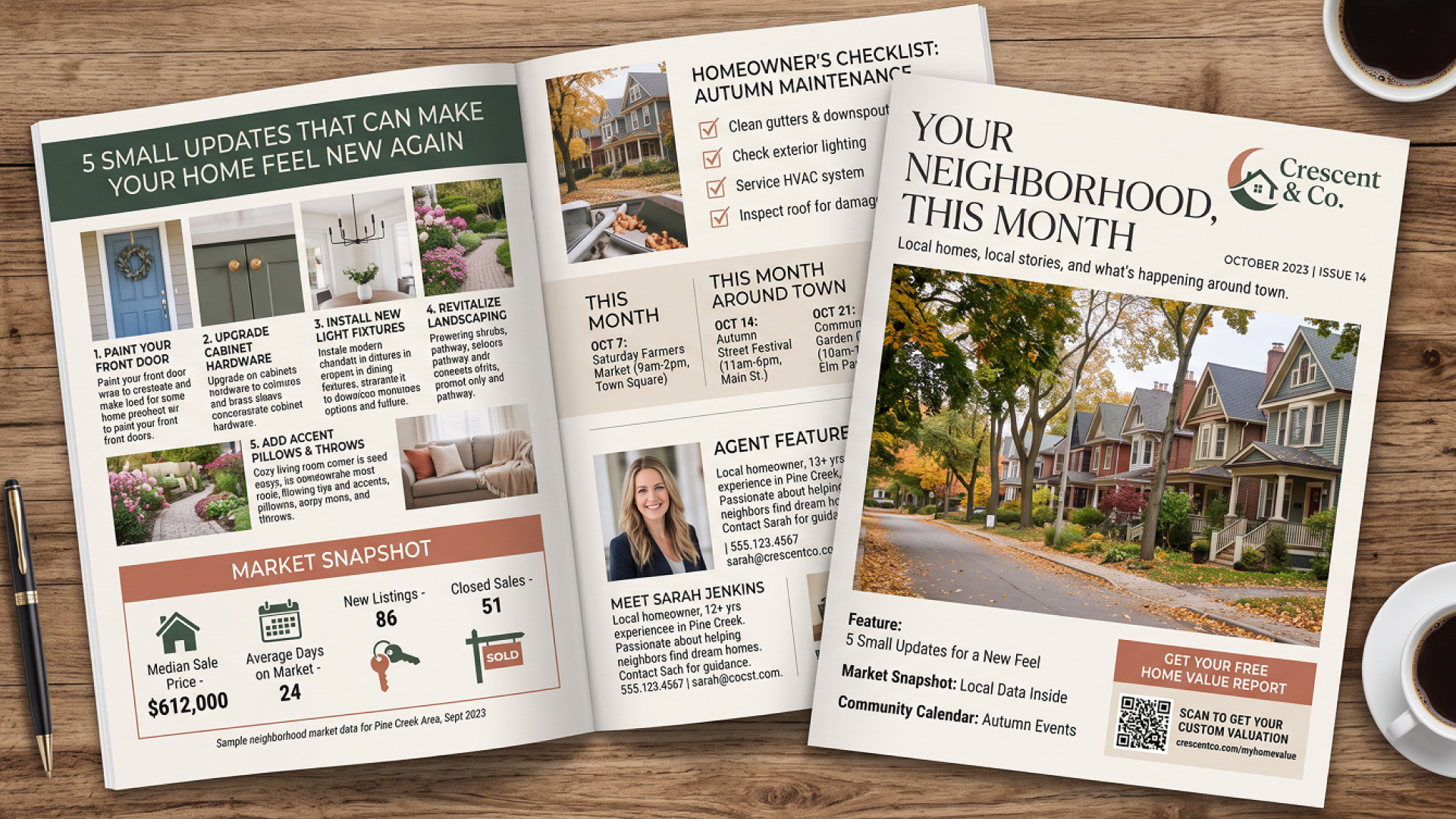
Newsletters
Printed newsletters help businesses stay connected with customers over time. They can include useful tips, company updates, product information, customer stories, or industry insights. This format works particularly well for businesses that want to build long-term relationships rather than promote a single offer.
Every Door Direct Mail
Every Door Direct Mail, or EDDM, is a USPS service that allows businesses to send mail to selected postal routes without creating an individual customer mailing list. It is useful for local businesses that want to reach households in a specific area, such as nearby homeowners, residents, or businesses.
What Are the Benefits of Direct Mail Marketing?
Direct mail offers several practical benefits, from reaching specific customers to creating more personal experiences. It can also help brands stay memorable, reconnect with inactive customers, and connect offline campaigns with digital channels.
Targeted Communication
Direct mail allows you to choose exactly who receives your message. You can target customers based on factors such as location, purchase history, customer type, or buying behavior.
Personalized Customer Experiences
You can personalize direct mail with a customer's name, past purchases, product recommendations, special offers, or unique URLs. This makes the message feel more relevant and personal.
Better Brand Recall
Physical mail gives customers something they can hold, read, and keep. A well-designed mail piece can stay in the home or office longer than a digital message, helping customers remember your brand.
Customer Retention
Regular direct mail can help you stay connected with existing customers. Sending useful content, exclusive offers, or loyalty rewards can give customers another reason to continue choosing your brand.
Win Back Inactive Customers
Direct mail can help reconnect with customers who no longer respond to emails or SMS messages. A personalized offer or special incentive can encourage inactive customers to return.
Offline to Online Engagement
Direct mail does not have to keep customers offline. QR codes, personalized URLs, promo codes, and dedicated landing pages can encourage recipients to visit your website and take action online.
Measurable Campaigns
You can track direct mail results using unique promo codes, QR codes, landing pages, URLs, and phone numbers. These methods help you see how many people responded and how much revenue the campaign generated.
Support for Omnichannel Marketing
Direct mail can work alongside email, SMS, social media, and paid advertising as part of a broader digital marketing strategy. Businesses can also work with a digital marketing expert to coordinate these channels and create a more connected customer experience.
What Are the Challenges of Direct Mail Marketing?
Direct mail can be effective, but it also comes with costs and practical challenges that businesses need to consider. Understanding these limitations helps you decide when direct mail makes sense and how to avoid common mistakes.
The biggest challenge is cost. Printing, design, materials, and postage can make each piece more expensive than an email or SMS. The final cost also depends on the size, weight, quantity, and destination of the mail.
Direct mail also takes more time to prepare. A campaign may need several days or weeks for design, printing, preparation, and delivery. This makes it less suitable for offers that need to reach customers within a few hours.
Your mailing list can also affect the results. Incorrect or outdated addresses can lead to returned mail and wasted money. Keeping customer information accurate requires regular cleaning and updating.
Reaching a very large audience can be expensive as well. Sending thousands or millions of physical pieces requires more printing, handling, and delivery resources than sending the same message through email.
Tracking can be another challenge if it is not planned from the beginning. You need tools such as unique promo codes, QR codes, dedicated landing pages, or phone numbers to connect responses with a specific campaign.
Finally, sending the same message to everyone can limit your results. Direct mail works better when the offer and message match the recipient's interests or customer history. Good targeting and personalization can make a major difference.
How to Create a Direct Mail Marketing Strategy
A successful direct mail campaign starts with a clear plan. Before designing or printing anything, you need to know what you want to achieve, who you want to reach, what you want to offer, and how you will measure the results.
Define Your Campaign Goal
Start by deciding what you want the campaign to achieve. You might want to bring back inactive customers, promote a new product, increase store visits, or encourage existing customers to make another purchase.
A clear goal keeps the campaign focused and helps you choose the right audience, offer, format, and tracking method.
Identify Your Target Audience
Your campaign should reach people who are most likely to respond. Look at your existing customers and consider factors such as purchase history, customer value, interests, and engagement.
A smaller, well-targeted audience can often be more useful than sending mail to a large group of people who have little connection with your brand.
Segment Your Mailing List
Divide your audience into smaller groups based on information that can help you create more relevant messages. For example, new customers, repeat buyers, VIP customers, and inactive customers may all need different offers.
Good segmentation also helps you spend your budget more carefully because you can focus your campaign on people who are most likely to take action.
Choose the Right Offer
Give recipients a clear reason to respond. Depending on your audience, this could be a limited-time discount, free sample, loyalty reward, special bundle, or early access to a new product.
The offer should feel useful rather than simply promotional. You can also test different offers with different audience groups to see which ones generate better responses.
Select the Mail Format
Choose a format that suits your message, audience, and budget. A postcard can work well for a simple promotion, while a letter may be better when you need more space to explain an offer.
For important prospects or high-value customers, you might consider a package or dimensional mailer. Keep production and postage costs in mind when making your choice.
Personalize the Message
Personalization makes a direct mail piece feel more relevant to the person receiving it. You can use their name, mention a previous purchase, recommend a related product, or offer a reward based on their customer status.
Even small details can make the message feel less like a mass promotion and more like something created for that particular customer.
Create a Clear Call to Action
Tell recipients exactly what you want them to do next. This could be visiting your website, scanning a QR code, using a promo code, calling your business, or visiting a physical store.
Try to keep the main action simple. When a mail piece gives people too many choices, it can become harder for them to decide what to do.
Add a Trackable Response Method
Set up your tracking before the campaign goes to print. You can use unique promo codes, QR codes, dedicated landing pages, personalized URLs, or separate phone numbers.
These methods help you connect customer responses to the campaign and make it easier to calculate its actual results.
Coordinate Direct Mail With Other Channels
Direct mail does not have to work by itself. You can support it with email, SMS, social media, or paid advertising to reach customers at different points in their buying journey.
For example, you could send a postcard first, follow it with an email, and use an SMS reminder when the offer is about to expire. This creates a more connected experience across channels.
Test and Optimize the Campaign
You do not have to send your entire campaign at once. Start with a smaller group and test different offers, messages, formats, or audience segments.
Compare the results and use what you learn to improve the larger campaign. Over time, these tests can help you understand what your customers respond to most.
How to Segment Customers for Direct Mail
Customer segmentation helps you send more relevant direct mail by grouping customers based on their behavior, purchase history, location, or spending.
Start by grouping new customers, repeat buyers, VIP customers, at risk customers, and inactive customers. New customers can receive offers for their next purchase, while repeat and VIP customers can receive rewards or exclusive deals. At risk and inactive customers can receive special offers that encourage them to return.
You can also group customers by location or past purchases. Location based campaigns can promote local offers, while purchase history can help you recommend related products. RFM segmentation is another useful option that groups customers by how recently and often they buy and how much they spend.
How to Personalize Direct Mail Marketing
Personalization can make the difference between a mail piece that gets noticed and one that gets ignored. Start with simple details such as the customer's name and previous purchases to make the message feel more personal and relevant.
Use customer data to recommend products based on what they have bought or viewed before. For example, someone who bought a coffee machine could receive an offer for premium coffee or accessories, while someone who viewed running shoes could receive a deal on the same product.
Consider the customer's relationship with your brand as well. New customers may respond better to welcome offers, while long-term customers may appreciate loyalty rewards or exclusive benefits. Location, birthdays, and purchase anniversaries can also help you create timely and relevant messages.
Recognize loyalty status and create offers for specific customer groups. Unique promo codes, special rewards, or segment-based discounts can make the mail piece feel like a personal offer rather than a generic promotion.
What Are the Best Direct Mail Ideas for Businesses?
Direct mail can help businesses connect with customers in a more personal way. A well-planned mail piece can introduce your brand, promote an offer, thank existing customers, or bring back people who have not purchased recently.
The best approach depends on your audience and what you want them to do next. From welcome mailers and promotional postcards to loyalty offers and seasonal campaigns, each idea should have a clear purpose and a message that feels relevant to the recipient.
From welcome emails to abandoned carts, learn which email automations for ecommerce can support your marketing efforts.
How Much Does Direct Mail Marketing Cost?
Direct mail marketing can cost anywhere from $0.30 to $10 or more per piece, depending on the format, quantity, and campaign requirements. Postcards and flyers are usually the most affordable, while catalogs, packages, and premium mailers cost more. Your total budget also depends on printing, postage, design, mailing lists, and personalization. Larger campaigns can often reduce the cost per piece through bulk printing and mailing rates.
Direct Mail Type | Estimated Cost Per Piece |
Postcards and Flyers | 0.50–1.00 |
Letters | 1.00–3.00 |
Brochures and Catalogs | 2.00–10.00 |
Dimensional Mailers and Parcels | 5.00–30.00+ |
The right format depends on your campaign goals and budget. Start with a clear audience and simple mailer, then adjust your approach based on response rates and overall campaign results.
How to Measure Direct Mail Marketing ROI
Direct mail ROI shows whether the money spent on a campaign is generating enough revenue or customer value in return. To measure it properly, set up tracking before the campaign starts and give recipients a clear way to respond.
Start by tracking your response rate to see how many people engage with the mail. Then measure the conversion rate and offer usage rate to see how many responses lead to purchases or offer use. Cost per customer and customer cost show how much you spend to gain each customer, while revenue per recipient shows the average revenue generated from each mailer. Finally, compare incremental revenue and total ROI with the campaign cost to understand its overall financial impact.
How to Calculate Direct Mail ROI
The formula is straightforward and worth knowing before every campaign:
ROI = (Revenue Generated − Campaign Cost) ÷ Campaign Cost × 100
Tracking that revenue back to the specific campaign is what makes the calculation accurate.
How to Track Direct Mail Campaigns
You can track direct mail by using QR codes, unique promo codes, dedicated landing pages, call tracking numbers, and UTM parameters to connect mail responses with online activity. Your CRM can also match purchases to specific customers or audience segments, helping you see which groups responded best. For larger campaigns, a small holdout group that does not receive the mail can help you compare results and measure the campaign’s actual impact.
Which Is Better: Direct Mail or Email Marketing?
Direct mail and email marketing can both support your marketing goals, but each works better in different situations. Email is faster, easier to automate, and usually costs less, while direct mail can create a stronger physical connection with customers and work well for targeted or high-value audiences.
Factor | Direct Mail | Email Marketing |
Cost | Higher per contact | Lower per contact |
Speed | Days to weeks | Minutes to hours |
Reach | Geographic or list-based | Global |
Personalization | Variable data printing | Dynamic content and segmentation |
Tracking | QR codes and promo codes | Open and click tracking |
Response | Strong with good targeting | Fast and easy to test |
Automation | Available through modern platforms | Widely available |
Best Use Cases | Win back, VIP, high-value customers | Nurturing, lifecycle flows, broad reach |
The best choice depends on your audience, budget, and campaign goal. Email works well when you need quick results and broad reach, while direct mail can add a personal touch and capture attention in a different way. Using both together can help you reach customers across multiple channels.
Better email engagement starts with getting more people to open your messages. Learn effective ways to improve email open rates.
How to Combine Direct Mail With Email and SMS
Direct mail can work even better when it is part of a wider marketing campaign. Combining it with email and SMS helps you reach customers through different channels while keeping the same message and offer.
Email → Direct Mail → SMS: Start with an email to introduce your offer. Send direct mail to people who did not respond, then follow up with an SMS reminder. This gives customers several chances to take action without sending the same message repeatedly.
Direct Mail → Email Follow Up: Send the direct mail first and give customers a few days to receive it. Then send an email that refers to the mail and provides an easy way to respond or make a purchase online.
Email → Direct Mail → Retargeting: Identify people who clicked your email but did not convert. Send direct mail to this interested group and follow up with retargeting ads to keep your offer in front of them.
The timing matters just as much as the channels you use. Plan the entire sequence together so each message reaches customers at the right time and supports the next step.
Direct Mail Marketing Best Practices
A successful direct mail campaign starts with the right audience and a clear message. Divide your audience into relevant groups and adjust the message based on factors such as their name, purchase history, or customer stage. Keep each mailer focused on one main offer and one clear call to action. Make it easy for people to respond with a QR code, promo code, or simple landing page.
Set up tracking before sending anything to print so you can measure results. It is also a good idea to test different offers or formats with a small group before launching a larger campaign. After the mail arrives, follow up through email or SMS to remind customers about the offer. Once the campaign ends, review the results and ROI before deciding whether to spend more.
Who Should Use Direct Mail Marketing?
Direct mail can work for many types of businesses when the message is relevant to the right audience. Ecommerce brands can use it to bring back inactive customers, remind buyers to reorder, or reward loyal shoppers. For Shopify stores, direct mail can also support customer retention campaigns alongside their online store. Businesses looking to improve their Shopify store can also work with Shopify developers.
Retail stores and restaurants can promote seasonal offers, new locations, menus, or special events to people in nearby areas. Local businesses can use Every Door Direct Mail (EDDM) to reach households in selected neighborhoods without needing a customer mailing list.
Real estate companies can send property updates, market reports, and listing information to specific areas. Financial and healthcare businesses can use physical mail for important notices, reminders, and other customer communications. B2B companies can send personalized letters or packages to key prospects who may be difficult to reach through email alone. Nonprofits can use direct mail for donations, membership renewals, and thank-you messages, while subscription businesses can use it to bring back customers who have cancelled or become inactive.
Conclusion
Direct mail marketing remains a useful way to reach customers in a world where most marketing happens online. It gives businesses a physical way to present their brand, offers, products, and messages while creating an experience that digital channels cannot always provide. However, getting good results requires more than simply sending postcards or letters to a large list.
A successful campaign starts with a clear goal and the right audience. Segment your customers, choose a relevant offer, personalize the message, and make the next step easy. Tracking is equally important because it shows which campaigns, offers, and customer groups are producing results.
Direct mail does not have to replace email or SMS. In many cases, using these channels together can create a stronger customer journey. You can use email to introduce an offer, direct mail to reinforce it, and SMS to provide a final reminder.
The key is to test your campaigns, track the results, and improve your approach over time. When planned carefully, direct mail can help businesses attract new customers, bring back inactive buyers, strengthen customer relationships, and generate measurable returns.
Frequently Asked Questions
What is direct mail marketing?
Direct mail marketing sends physical promotional materials like postcards, letters, or parcels to customers through postal services. It is a form of direct marketing that reaches people at home or at work.
How does direct mail marketing work?
It involves defining a target audience, building or selecting a mailing list, creating a relevant offer, choosing a physical format, printing and delivering the piece, and tracking the responses through codes, QR links, or dedicated URLs.
Is direct mail marketing still effective?
Yes. Direct mail has an open rate of 80 to 90 percent and delivers the highest ROI across all media channels at 112 percent, according to the Association of National Advertisers. It works especially well when combined with digital channels.
What are the most common types of direct mail?
Postcards, letters, brochures, catalogs, flyers, self-mailers, dimensional mailers, product samples, printed newsletters, and EDDM mailers are the formats used most often.
How much does direct mail marketing cost?
Costs range from roughly $0.50 per piece for postcards to $30 or more per piece for dimensional mailers. The total cost depends on format, volume, list quality, personalization, and postage.
What is a good response rate for direct mail?
Average direct mail response rates range from 2 to 9 percent depending on the list quality, offer, and format. Well-targeted campaigns with strong personalization regularly exceed these averages.
How do you measure direct mail ROI?
Use this formula: ROI = (Revenue Generated − Campaign Cost) ÷ Campaign Cost × 100. Accurate attribution requires tracking tools like unique promo codes, QR codes, or dedicated landing pages.
How do you track direct mail conversions?
Use unique promo codes, personalized URLs, QR codes with UTM parameters, dedicated phone numbers, and customer-level CRM attribution to link mail pieces to specific conversions.
How do you personalize direct mail?
Use variable data printing to customize each piece with the recipient's name, product recommendations, loyalty status, location, and offer based on your customer data.
Can direct mail be automated?
Yes. Modern platforms like PostPilot and IgnitePOST integrate with Shopify, Klaviyo, and other CRMs to trigger direct mail automatically based on customer behavior, lifecycle stage, or inactivity.