


Key Takeaways
- Win-back emails help re-engage people who have stopped purchasing or interacting with your brand.
- The best time to send a win-back email depends on the customer’s usual buying cycle and recent behavior.
- A three- or four-email sequence can guide people from a simple reminder to an incentive and final follow-up.
- Personalization helps you match win-back messages to purchase history, product interests, and customer behavior.
- Discounts can help, but new products, loyalty rewards, useful recommendations, and relevant content can also encourage people to return.
- Removing contacts who remain unresponsive can improve list health and help protect email deliverability.
Every email list has customers who bought from you once but never came back. They trusted your brand enough to spend money with you. People get busy, lose interest, or simply forget. That does not mean they are gone for good.
A well-timed email can remind them why they bought from you in the first place. Win-back campaigns do exactly that they reach out to people who have gone quiet and give them a reason to come back.
Getting a previous buyer to purchase again is easier than finding a brand new one. They do not need convincing from scratch. The right message, sent at the right time, with an offer that actually makes sense for them, can be enough to bring them back.
This guide walks you through how to build a win-back campaign that works. You will find real examples, subject lines you can use, and a four-email sequence to follow. There are also strategies for different types of businesses, whether you sell products, run subscriptions, or work with other companies.
What Is a Win-Back Email?
A win-back email goes to customers who have gone quiet. They may have bought from you before, opened your emails, or visited your site, but at some point, they stopped engaging.
What makes these emails effective is that you are reaching people who already know your brand. They have interacted with you before, so you do not need to start from scratch. Instead, remind them why they chose your brand and give them a good reason to come back.
Win-Back vs. Re-Engagement vs. Sunset Emails
These three types of emails are closely related, but they serve different purposes at different stages.
Win-back emails often target customers who have been inactive for several months, although the right timeframe depends on the customer’s buying cycle. Klaviyo commonly uses a 3–6 month window as an example, but the right timeframe depends on your customer's typical buying cycle
Re-engagement emails target those subscribers who have stopped opening or clicking your emails. The goal here is restoring deliverability and list health, not necessarily a sale.
Sunset emails are the last step. They go to contacts who haven't responded to any win-back or re-engagement effort. These emails either say goodbye or ask the contact to confirm they still want to hear from you.
Each type has a different purpose, tone, and measure of success. Keeping them separate helps you send the right message at the right stage.
What Should a Win-Back Email Include?
A good win-back email starts with a subject line that makes people want to open it. Skip the generic promos. Make it personal, direct, and worth their attention. Once they open, tell them you missed them and remind them of what they liked about your brand the first time.
Then give them one clear reason to come back. A discount, a new product, something that fits what they actually bought before. Keep the email short and easy to read. End with one action, not three, not two, just one. Be friendly, be helpful, and do not push. Let the offer do the work.
When Should You Send a Win-Back Email?
Timing can make or break a win-back email. Sending it too early may feel unnecessary, while waiting too long may mean the customer has already moved on. The right timing depends on your product, buying cycle, and customer behavior.
Find the Right Time to Send Your First Email
Start by checking your customer data and average time between purchases. If most customers buy again within 30 days, 60 days without a purchase could be a good time to reach out. For many e-commerce brands, 90 to 120 days of inactivity is a useful starting point.
When Should You Send More Than One Win-Back Email?
One email may not be enough to bring a customer back. A simple win-back campaign can include three or four emails, with each message serving a different purpose.
Leave about seven to ten days between emails. This gives customers enough time to read your messages without feeling overwhelmed.
What to Measure in a Win-Back Campaign
There is no single benchmark for win-back campaigns. Results can vary by your industry, how often customers buy, your audience, the offer you send, and when you send it. Track your recovery rates, clicks, purchases, and revenue to see what actually works for your customers.
If your win-back emails have low open rates, check the common reasons behind declining email engagement before changing your entire campaign.
9 Win-Back Email Approaches Based on Customer Intent
Customers become inactive for different reasons, so a single win-back message will not work equally well for everyone. The better approach is to look at what you know about the customer and choose a message that matches their likely intent.
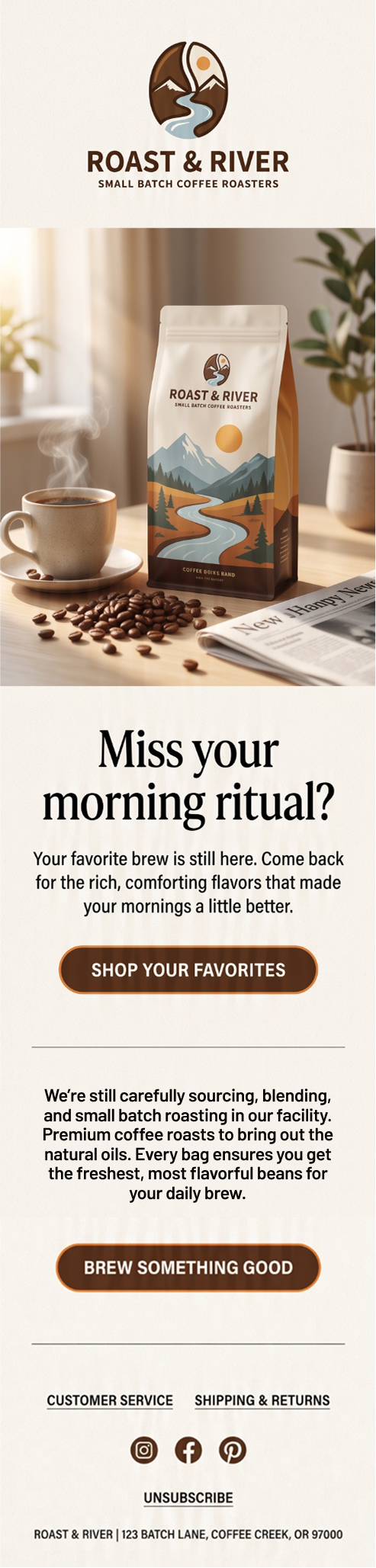
1. Send a Simple Reminder
Some customers may like your brand but haven't thought about buying from you again. A simple reminder can put your products back on their radar. Show them a few relevant products or remind them of a benefit that they previously enjoyed.
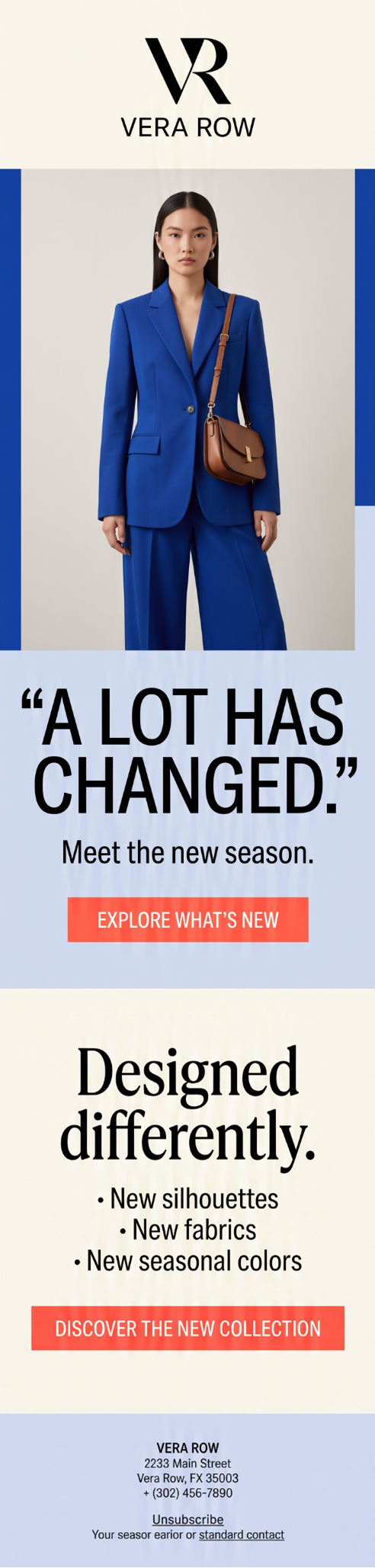
2. Highlight What's New
If your old products no longer appeal to them, give them something fresh to look at. Share a new collection, a recently launched product, an updated feature, or anything worth noticing since they last bought from you.
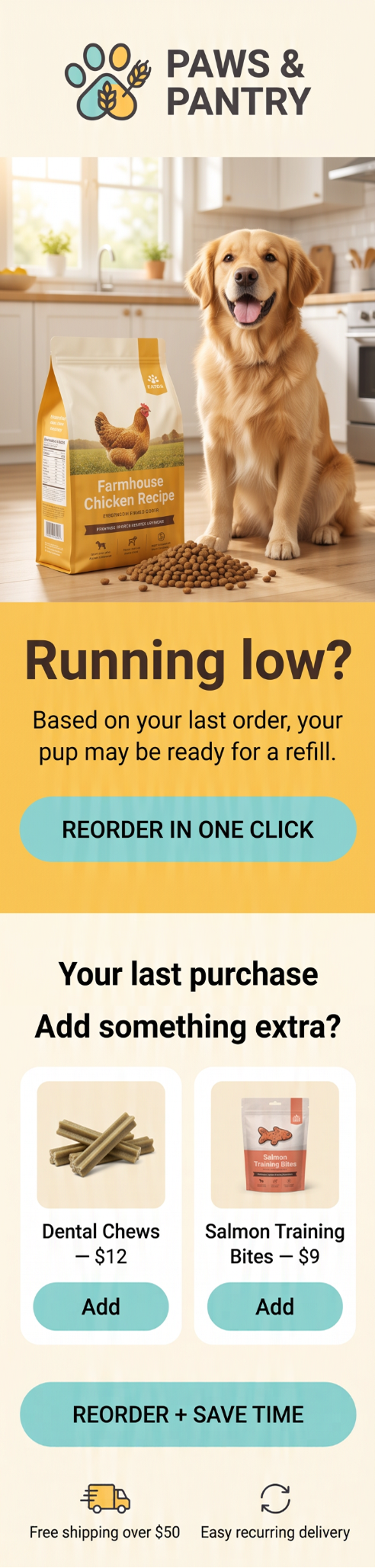
3. Make Reordering Easy
Some customers just haven't gotten around to reordering yet. Use their last purchase to gauge when they might need more and make buying again as quick and simple as possible.
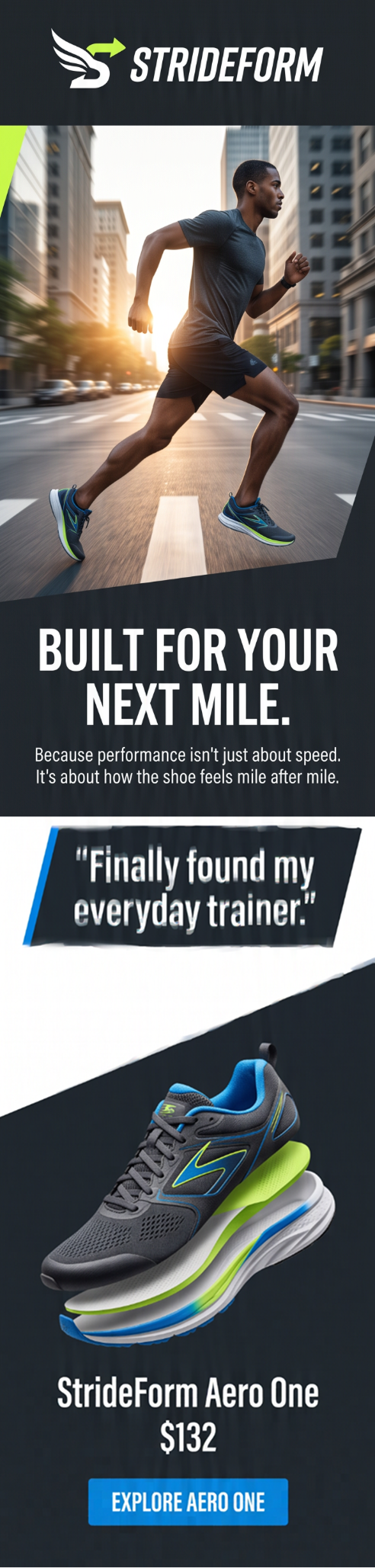
4. Reinforce Your Difference
Customers go quiet after finding another brand or spotting a lower price elsewhere. Before reaching for a bigger discount, remind them what made them choose you in the first place. Quality, service, convenience, a guarantee whatever sets you apart.
5. Add a Relevant Incentive
Some people need a little more to come back. Free shipping, a loyalty reward, a useful bundle, early access, or a limited offer can help. Just make sure the incentive supports the purchase it should not be the whole message.
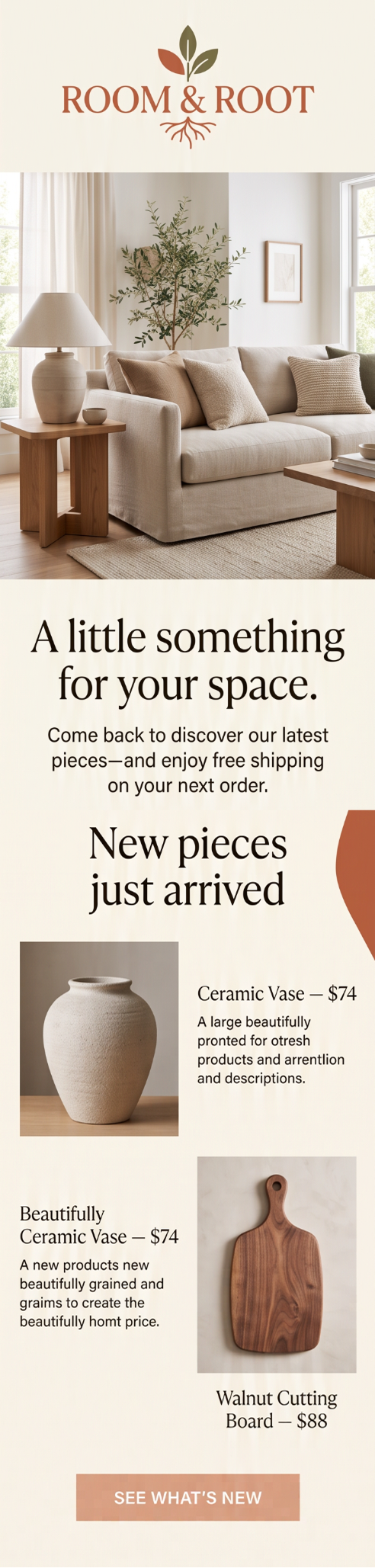
6. Address a Previous Problem
A bad delivery, a faulty product, or a poor service experience needs a different approach. If the issue has been fixed, say so clearly and show that their experience was taken seriously.
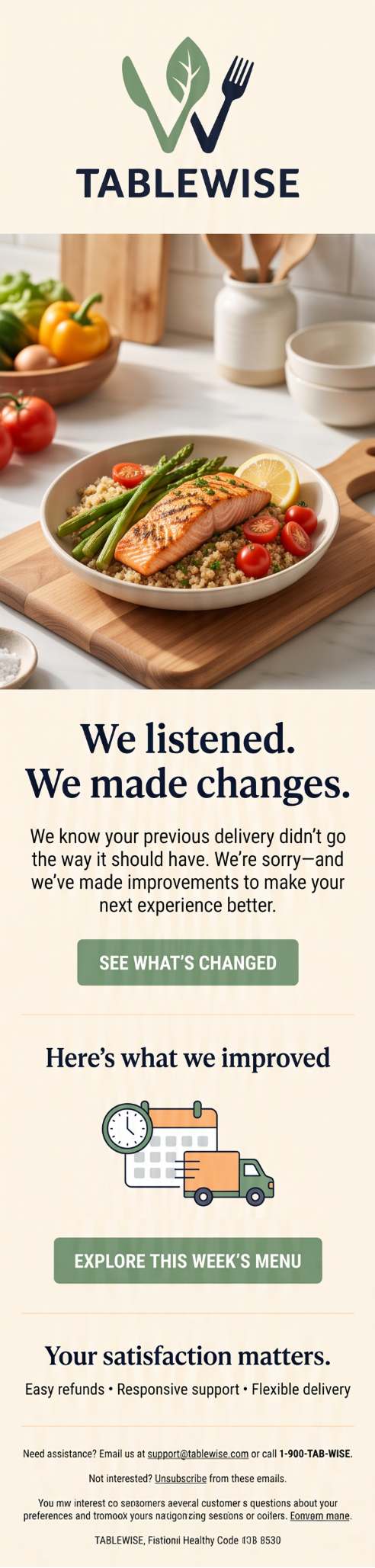
7. Act on Early Churn Signals
Do not wait until someone goes completely silent. Fewer purchases, less website activity, or lower email engagement are early signs. Reach out while there is still something to work with.
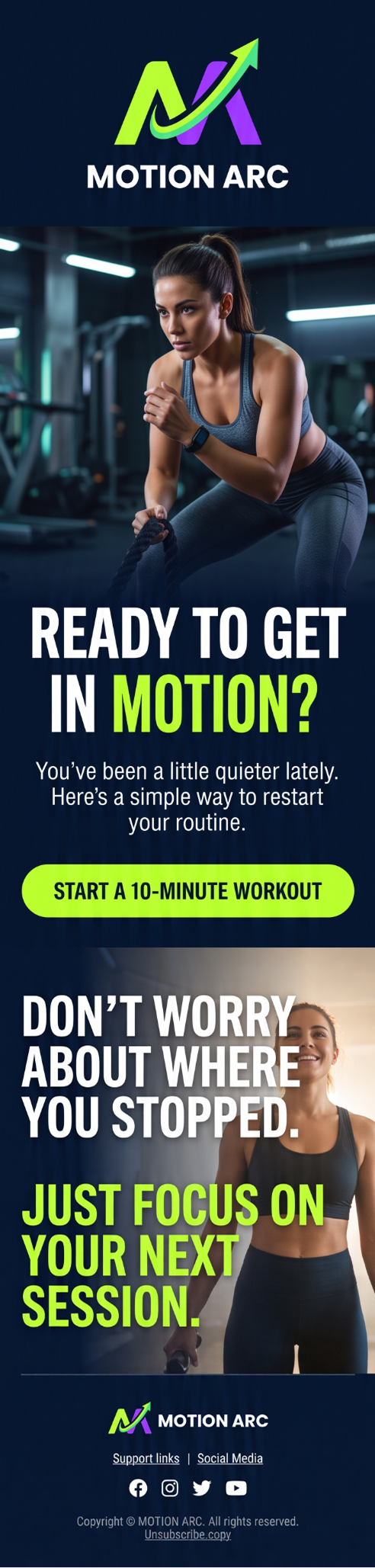
8. Give Them More Control
Some inactive subscribers are not ready to leave they are just getting too many emails or seeing content that does not interest them. Let them adjust how often they hear from you or what kind of messages they receive.
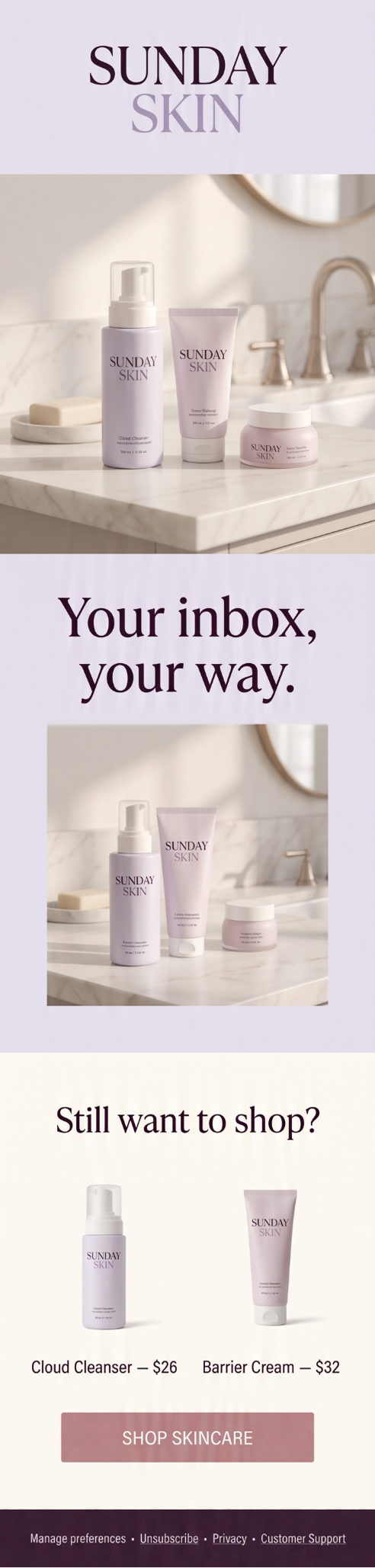
9. Close the Loop With Inactive Contacts
Some people will not respond no matter what you send. Once someone has ignored several attempts, shift your focus from winning them back to keeping your list clean. Give them one last chance to stay, then stop sending if they do not engage.
How to Build a Win-Back Email Sequence
A single win-back email can help, but a structured sequence gives you more opportunities to reconnect. Here's a four-email structure that works across most e-commerce and subscription businesses.
Email 1: Remind Them Why They Chose You
Timing: Send around day 90 of inactivity, or adjust it based on how often customers usually buy.
The first email should focus on reminding, not selling. Bring back the reason the customer first liked your brand or bought from you. Highlight a benefit they may have forgotten.
Keep the email short, with one or two short paragraphs. Add one clear CTA that takes them to a best-selling product or a relevant collection. Don't offer a discount yet.
The main goal is to encourage engagement. A click can indicate renewed interest and help you decide what to send next.
Email 2: Give Them a Reason to Return
Timing: Send seven to ten days after email 1 if they haven't purchased.
Now is the time to add an offer. This could be a discount, free shipping, early access to new products, or a gift with their order.
Make the offer feel personal rather than like a general coupon. Explain why you're giving them the offer and make them feel valued.
Add a clear expiry date so customers know when the offer ends. This gives them a real reason to act now instead of putting it off.
Email 3: Create a Final Push
Timing: Send seven to ten days after email 2 if they still haven't purchased.
The third email adds more urgency by reminding customers that the offer is about to end. This is usually the final promotional email in the sequence.
Keep the email short and simple. Use one image, a few lines of copy, and one clear CTA. Avoid repeating everything from the previous email. Just remind them that this is their last chance to use the offer.
If your email platform supports countdown timers, adding one can make the deadline more noticeable and encourage customers to act.
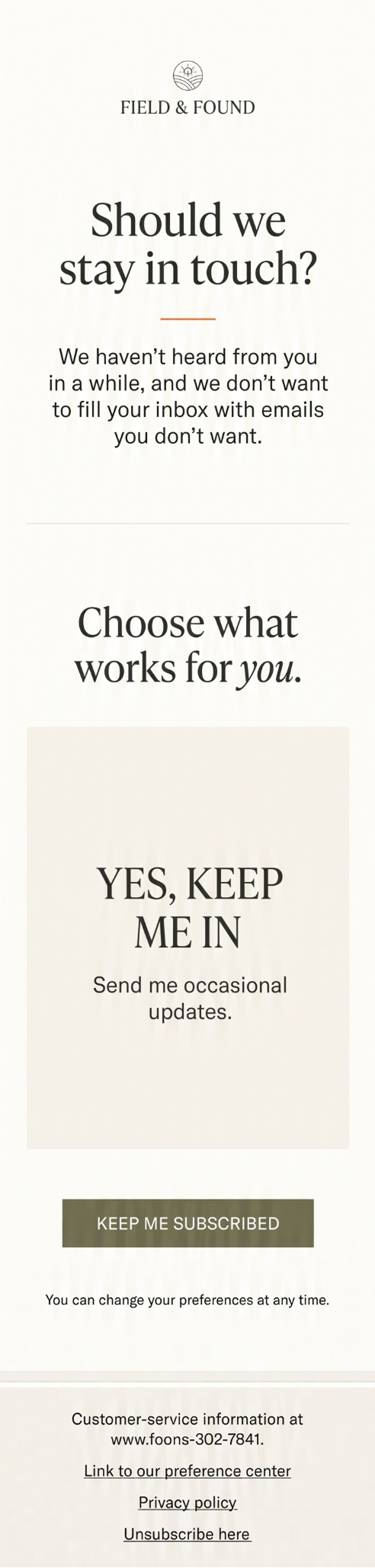
Email 4: Give Inactive Customers a Choice
Timing: Send ten to fourteen days after email 3 if they still haven't taken action.
This is the final sunset email. Instead of selling, give the subscriber a simple choice to stay or leave.
Tell them that you don't want to keep sending emails if they no longer want to hear from you. Give them a button to stay subscribed and another option to unsubscribe. If they don't respond, remove them from your active email list.
This approach can bring some inactive subscribers back because it gives them a clear decision. It also helps keep your email list focused on people who still want to hear from you.
6 Ways to Improve Your Win-Back Email Campaign
A basic win-back sequence can bring customers back, but how well it works depends on how closely it matches what they actually need. These tactics help you write emails that feel relevant and timely without leaning on discounts every single time.
1. Use Customer Data to Personalize Each Email
You already know what your customers bought, how often they ordered, and what they browsed, use that. Instead of sending everyone the same email, recommend products that connect to what each person has bought or looked at before. The more relevant it feels, the better it works.
2. Give Customers More Than One Reason to Return
A discount is not the only thing that brings people back. A new product, free shipping, a loyalty reward, something useful to read, or early access can all do the job. Try different things and see what your audience actually responds to.
3. Change Your Message Throughout the Campaign
Do not send the same email three times with a different subject line. Start by reminding them who you are. Then give them a stronger reason to come back. Add urgency later only if there is a real deadline. Each email should have its own purpose.
4. Make Product Recommendations Relevant
Think about what each customer bought before and use that to decide what you show them. Someone who bought a specific skincare product is more likely to care about something related than a random promotion. Relevant suggestions make the email feel personal, not automated.
5. Test Different Messages and Offers
There is no formula that works for every business. Test your subject lines, timing, offers, copy, and calls to action. Look at purchases and revenue, not just opens and clicks, to find out what is actually moving the needle.
6. Remove Customers Who Do Not Re-Engage
Do not keep emailing people who have ignored everything you sent. Once someone has gone through your sequence without any response, give them one last chance to stay on your list. If they still do not engage, stop sending. It keeps your list healthier and your results more accurate.
2 Advanced Ways to Improve Your Win-Back Campaign
Once your basic win-back campaign is working, you can use advanced strategies to identify at-risk customers earlier and reach them across multiple channels.
Use RFM to Spot Customers at Risk
RFM stands for Recency, Frequency, and Monetary value. It helps you understand which customers may be close to stopping their purchases. For example, a customer who normally buys every month but has not purchased in 45 days may need attention sooner than someone who buys twice a year. RFM helps you identify these customers and contact them before they become fully inactive.
Combine Email, SMS, and Ads
Email can be the main part of your win-back campaign, but other channels can support it. You can use SMS and retargeting ads to reach customers who do not respond to email. For example, someone who opens an email but does not buy could see the same product in a retargeting ad a few days later. This gives them another opportunity to re-engage with your brand.
Want help with your win-back campaign? Book a consultation to discuss your email marketing goals.
7 Win-Back Email Subject Line Ideas
The subject line needs to give an inactive customer a reason to open without making the email sound like another generic sales message. The strongest approach depends on the customer's situation and the purpose of the email.
1. Reminder Subject Lines
Use a simple reminder when the customer may have forgotten about your brand or products.
- Still thinking about your favorites?
- Ready to shop with us again?
- Remember what you loved?
- We saved something for you
2. New Product Subject Lines
These work when something has changed since the customer's last interaction with your brand.
- Have you seen what is new?
- Something new just arrived
- Meet our latest collection
- We have something new for you
3. Reorder Subject Lines
For products customers regularly use, make the subject line about convenience rather than trying to create artificial urgency.
- Ready for your next order?
- Running low on your essentials?
- Time to restock?
- Need another order?
4. Value-Focused Subject Lines
Use these when the email offers a benefit without relying entirely on a discount.
- A little something for your next order
- Here is a reason to come back
- Something special is waiting for you
- We saved a benefit for you
5. Curiosity Subject Lines
Curiosity can work when you have something genuinely interesting to show. The email should always deliver on what the subject line suggests.
- You might want to see this
- We think you will like this
- Something has changed
- Take a look at this
6. Feedback Subject Lines
When you want to understand why customers became inactive, use a subject line that invites a response instead of immediately asking for another purchase.
- Can you tell us what changed?
- What can we do better?
- We would value your opinion
- Is there a reason you stopped shopping?
7. Final Email Subject Lines
Use these at the end of the campaign when you are giving inactive customers a final choice.
- Should we keep you on our list?
- Still want to hear from us?
- This may be our last email
- Do you still want to stay connected?
How to Choose the Right Subject Line
Match the subject line to where the customer is and what the email is actually doing. A reorder prompt should sound nothing like a final goodbye. A feedback request should not look like a promo. Keep it clear, keep it honest, and test a few variations. Email views are a useful starting point, but clicks and purchases show whether your subject lines actually bring customers back.
How to Set Up a Win-Back Email Campaign
Most email marketing platforms give you everything you need to run a win-back campaign. You need customer data, the right segments, and an automated flow. The idea is simple, find the people who have gone quiet and send them a series of messages based on what they actually did.
Find Customers Who May Not Buy Again
Start in Klaviyo's analytics, look for customers who are at high risk of not buying again or who have a lower predicted value over time. Klaviyo can also estimate when a customer is likely to place their next order. If that date has already passed and they still have not bought, they are worth targeting.
Create a Customer Segment
Build a segment for customers who have bought at least once but have not ordered in the last 90 days. Adjust that window based on how often your customers typically buy. You can also filter by spend level or product category if you want to make the emails feel more specific.
Create Your Win-Back Flow
Set up a Klaviyo Flow for that segment and add your emails. Spacing them out seven to ten days apart is a good starting point so you are not overwhelming people. Turn on Smart Sending to avoid piling messages on top of each other. You can also use Klaviyo's built-in AI tools to write and test subject lines.
Start With Value Before a Discount
Do not open with a discount, use the first email to remind people what your brand is about and what you offer. Hold the discount for later. Some customers are already thinking about coming back and do not need an offer to nudge them. Others will respond better once they see a deal that actually feels relevant to them.
Before setting up a win-back campaign, it helps to understand how Klaviyo works and how its features can support your strategy.
Conclusion
Winning back customers is not about sending more emails or throwing bigger discounts at them. It is about reaching the right person at the right time with something that actually makes sense for them. Some people just need a reminder. Others need to see something new, a useful offer, or a recommendation that feels like it was made for them.
Figure out when your customers typically stop buying, then build a three- or four-email sequence around that point. Lead with value. Bring in an incentive when it feels right. Use urgency only when there is a real reason to. End by giving people a clear choice stay or go. Use what you know about each customer to make the emails feel less like a broadcast and more like a conversation.
Watch your numbers purchases, revenue, clicks, and how many people actually come back. If someone has not responded after a few tries, stop sending. It keeps your list clean and lets you put your energy into people who are still paying attention.
A good win-back campaign recovers sales from people who already know you. That is easier than starting from scratch with someone new. Test things, tighten your segments, and keep refining. Over time, you will get better at bringing past buyers back and keeping them around longer.
Frequently Asked Questions
How Many Win-Back Emails Should I Send?
Three to four is a sensible range for most brands. The first catches the easy wins. The second and third reach people who need more. The fourth is a final checkpoint. Beyond four emails, you are mostly annoying people who have already decided to leave.
What Discount Should I Offer in a Win-Back Email?
Ten to twenty percent off is common, but it is not the only option. Free shipping often performs just as well if shipping cost is a reason people abandon their cart. A gift with purchase can beat both if your margins allow it. Test a couple of approaches before settling on one.
Do Win-Back Emails Hurt Email Deliverability?
They can if you send to very old, very cold lists. Inbox providers see low engagement as a signal that something is off. Keep your win-back window tied to your buying cycle, suppress hard bounces and anyone who has already unsubscribed, and remove people who do not engage after the sequence ends.
How Long Before a Customer Is Considered Inactive?
It depends on what you sell. If customers usually buy every few weeks, 60 days of silence is meaningful. If your products are seasonal, 180 days might not be unusual at all. Start at 90 days and adjust when your data gives you a clearer picture.
What's the Difference Between a Win-Back and a Sunset Email?
Win-back emails try to get a customer buying again. Sunset emails come at the end of the sequence when you have already tried, and the person has not responded. The sunset email is not about selling it is about giving someone a clear exit and keeping your list clean.
Do Win-Back Emails Work for B2B and Subscription Businesses?
Yes, but the triggers are different. In B2B, you might reach out when usage drops, a contract is about to expire, or there has been no login in a while. For subscriptions, the trigger is usually a cancellation or a failed renewal. The approach is the same in both cases: be direct about why you are reaching out, address what likely caused them to disengage, and give them one clear thing to do next.