



Key Takeaways
- Sending too many emails can make subscribers lose interest and leave your list.
- Use customer interests and past purchases to send more relevant emails.
- Keep your signup promises and avoid sending offers customers do not expect.
- Track unsubscribe rates to find campaigns that need improvement.
- Send useful reminders, product updates, and offers to encourage repeat purchases.
Not every customer who joins your email list will stay subscribed. Sometimes, a few unwanted emails are enough to make them leave. This can happen when you send too many messages, repeat the same offers, or share content that does not interest them.
When customers unsubscribe, you lose the chance to reach them with future offers, product updates, and refill reminders. This can also affect repeat purchases, especially for ecommerce businesses that rely on returning customers.
Understanding why customers unsubscribe from emails can help you avoid these mistakes and keep your subscribers interested. Here are seven common reasons customers leave email lists and how you can prevent them.
What Is a Good Email Unsubscribe Rate?
Your ecommerce email unsubscribe rate is the percentage of people who opt out after receiving a campaign email. The Klaviyo unsubscribe rate guidance recommends keeping that rate below 0.30% for each campaign.
Divide the number of unsubscribes by the number of emails delivered, then multiply by 100. If 20 people unsubscribe after 10,000 emails are delivered, your rate is 0.20%.
Source | Campaign benchmark | Unsubscribe rate |
Recommended target | Below 0.30% | |
Observed average | 0.20% |
If you see a high email unsubscribe rate across similar campaigns, check who received them and how often you emailed them.
7 Reasons Why Customers Unsubscribe From Your Emails
The reasons why people unsubscribe from emails often show up in the last few messages they received. Check what you sent, how close together the emails arrived, and what customers expected when they signed up.
1. You Are Sending Too Many Emails
During a weekend sale, one customer could receive a sale announcement, a cart reminder, and a welcome discount within hours. By Sunday, a final reminder can feel like one email too many.
Before a sale, check where your email automation flows overlap with scheduled promotions. Try sending fewer sale reminders to people who rarely click or recently bought, while keeping their order and shipping updates on schedule.
2. Your Emails Are Not Relevant to Your Customers
A shopper who regularly buys dog food is unlikely to click on a promotion for cat food. Their past orders give you a better idea of which offers they might use.
Use purchases, product clicks, and interests people share to build a few simple groups. These email segmentation strategies for ecommerce growth can help you decide who should receive each offer, such as sending replacement filters to customers who bought a compatible fountain.
3. Every Email Is Another Sales Pitch
When every discount supposedly ends tonight, shoppers may stop taking your deadlines seriously. Frequent sales can also teach customers to wait for the next offer before they buy.
Between promotions, send something that helps customers choose or use a product. A homeware store could share a tablecloth sizing guide before purchase and send washing tips after delivery.
4. Your Emails Do Not Match Signup Expectations
A shopper signs up for free shipping, but the welcome email only shows products. Another signs up for launch news and gets three sale reminders before the weekend.
Check that your signup form and welcome email make the same promise. Put any promised code and spending limits near the top, and let subscribers choose how often they hear from you.
5. Your Automated Emails Arrive at the Wrong Time
A cart reminder can confuse someone who has already paid, especially if it offers a better price. A review request can feel just as early when the order is still on its way.
Use this guide to abandoned cart email timing to check that reminders stop after a purchase. Give buyers time to try the product before asking for a review, and time refill reminders around pack size.
6. Your Emails Look Unprofessional or Misleading
A subject line promising a gift can frustrate shoppers if they only learn about the minimum spend at checkout. An unfamiliar sender name or a broken link can also make shoppers think twice about clicking.
Use your store’s name as the sender so shoppers recognize the email. If the offer has a minimum spend, show it in the email and on the offer page. Before sending, open the email on your phone to check that the text is easy to read and every button works.
7. Customers Have Lost Interest in Your Brand
Some customers only signed up while shopping for a gift. Others may stop buying after a late delivery. For products that last years, a long gap between orders is normal.
Check when customers usually buy again before sending a win-back email. With klaviyo segmentation for ecommerce, you can group shoppers by what they bought and when. Ask subscribers who haven’t clicked or bought in a while what they’d like to hear about. If they don’t respond, leave them out of regular promotions.
How to Reduce Email Unsubscribes Without Losing Sales
To find out how to reduce email unsubscribe rate spikes, check which emails led to the most opt-outs. An ecommerce email A/B test can show whether sending fewer emails helps you keep subscribers and maintain sales.
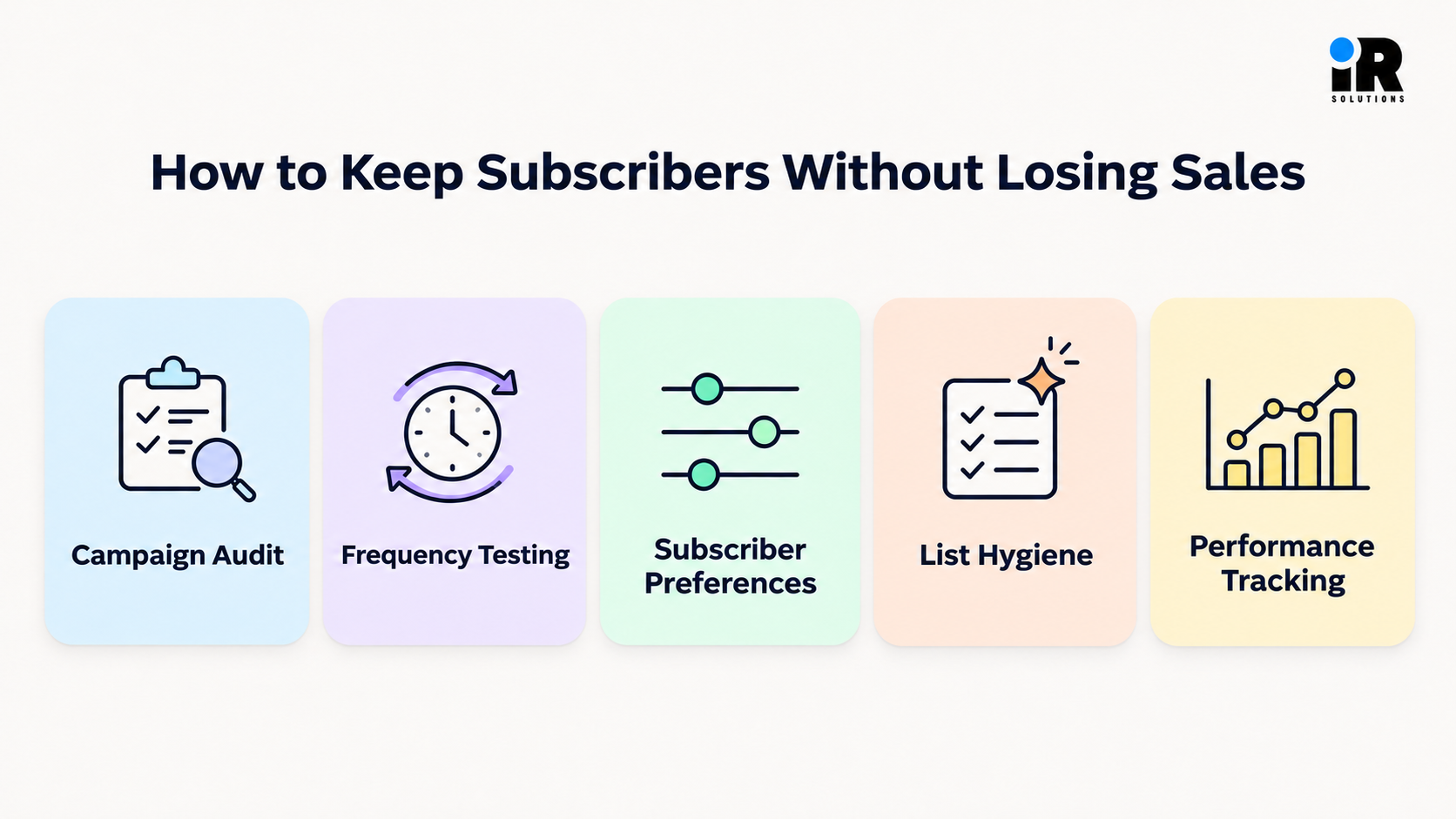
- Campaign Audit: Find emails with the most opt-outs and check what else those subscribers received.
- Frequency Testing: Compare orders and opt-outs across two sending schedules with the same offer.
- Subscriber Preferences: Let subscribers choose which emails they get and how often they get them.
- List Hygiene: Send one check-in email, then pause regular promotions for subscribers who stay inactive.
- Performance Tracking: Compare repeat orders, revenue per subscriber, and discount costs before changing your schedule.
If fewer people unsubscribe and orders hold steady, try the new schedule with a larger group.
Are Email Unsubscribes Always Bad for Your Business?
A few unsubscribes are normal. Someone who joined for a discount on a wedding gift may have finished shopping and no longer want updates. A spam complaint can hurt your sender reputation, so give shoppers an easy way to leave. Omnisend’s guide to email unsubscribes explains why a clear opt-out matters.
Check the unsubscribe rate alongside the number of people who left. For example, if 30 shoppers unsubscribe after a sale email reaches 2,000 people, the rate is 1.50%. If 30 unsubscribe after an email reaches 30,000 people, the rate is 0.10%. If recent buyers keep leaving after a review request, check whether they’ve had time to try the product.
Let shoppers choose fewer emails or updates about products they care about. Make those choices easy to find alongside the unsubscribe link, and apply them to campaigns and automated emails.
Give Subscribers a Reason to Shop Again
Look at what customers bought and when they might need something from your store again. A refill reminder, a back-in-stock alert, or a simple care guide can make your next email worth opening. Track repeat orders to see which emails bring customers back.
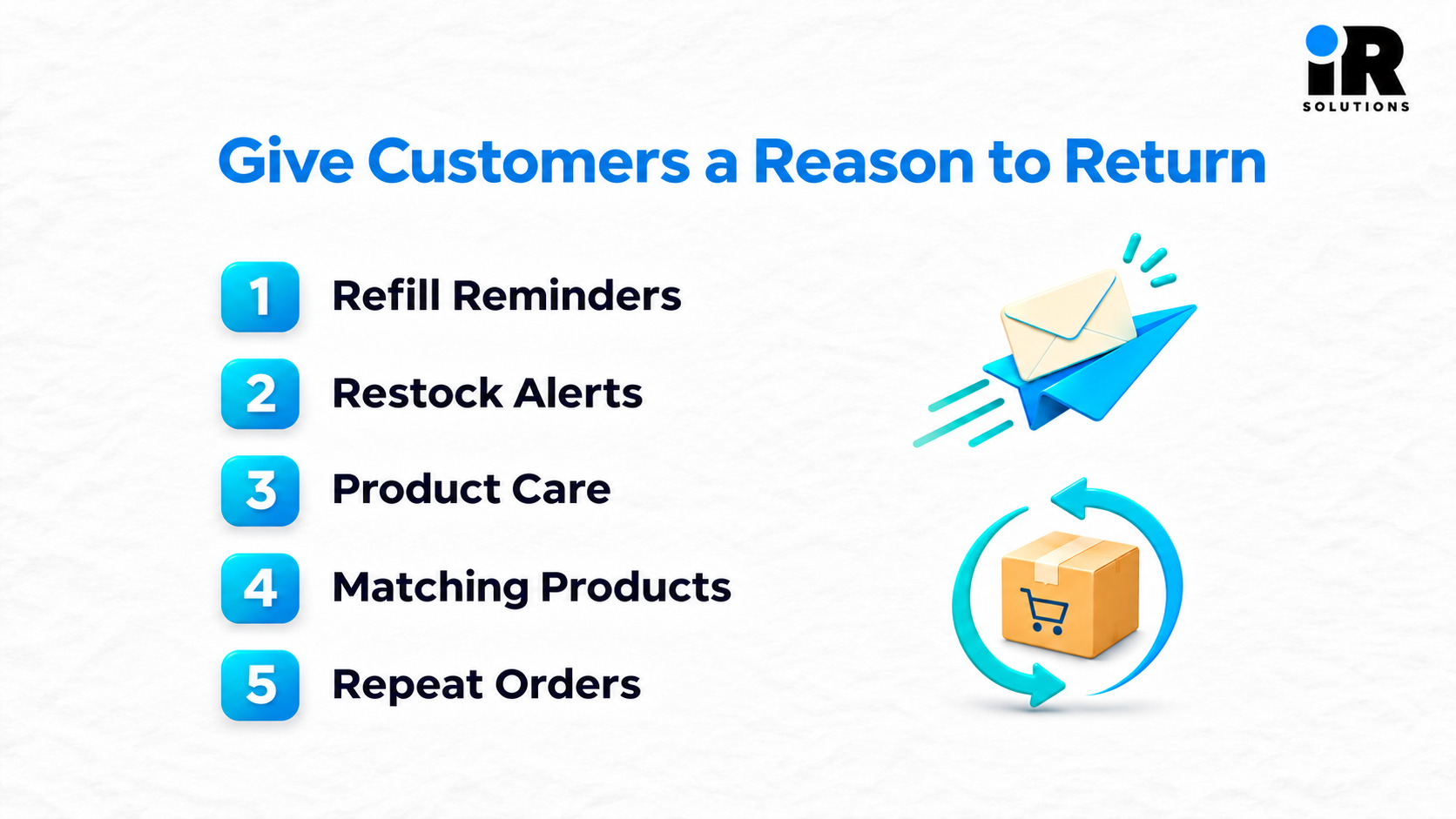
- Refill Reminders: Send reminders when buyers are likely to run out, based on pack size.
- Restock Alerts: Let shoppers know when the size or color they wanted is back.
- Product Care: Share care tips after delivery so customers can get more from their purchase.
- Matching Products: Suggest accessories or replacement parts that fit the item a customer already owns.
- Repeat Orders: Track which follow-up emails lead to another purchase without offering a discount.
Pick one bestselling product and try the follow-up that makes the most sense for its buyers.
Conclusion
Reducing email unsubscribes starts with understanding why customers leave your list. Sending too many emails, repeating offers, and sharing irrelevant content can make shoppers lose interest. Review your campaign results and customer activity to identify what needs to change.
Give subscribers a reason to stay by sending relevant offers, useful product updates, and timely reminders. Pay attention to how often you email them and make it easy to manage their preferences. Small changes can help you keep more subscribers engaged and encourage repeat purchases.
With the right email marketing services, ecommerce businesses can improve their campaigns, keep subscribers interested, and build stronger customer relationships that support repeat sales.
Frequently Asked Questions
What is the most common reason customers unsubscribe from emails?
Receiving too many emails was the top reason shoppers gave in the IMRG and GetResponse retail survey. If opt-outs rise during a sale, check how many campaigns and automated emails each shopper received that week.
Is a 1% email unsubscribe rate too high?
Yes, a 1% unsubscribe rate for a regular campaign exceeds Klaviyo’s recommended target of below 0.30%. If it happens repeatedly, check which audience unsubscribed and what they received before changing your sending schedule.
How often should ecommerce brands send marketing emails?
Base your schedule on what shoppers signed up for, how often they buy, and how they respond. To see how to prevent email unsubscribes, count automated emails alongside campaigns when testing how often to send.
Why do customers unsubscribe after making a purchase?
Some shoppers join for a first-order discount and leave once they’ve bought what they came for. If opt-outs spike after a follow-up email, check whether it arrived before delivery or repeated an offer they already used.
Can email personalization reduce unsubscribe rates?
Yes, personalization can help when it offers consumers something valuable that they have purchased or are interested in. When a shopper has a reason to open your email, it's when they receive one from a compatible accessory or a timely reminder to refill.
Do email unsubscribes affect deliverability?
Routine opt-outs generally won't have a direct impact on deliverability, and spam complaints can harm your sender reputation. Make the unsubscribe link easy to find so that customers can stop receiving promotions without reporting it as spam.